David Yu — April 7, 2026
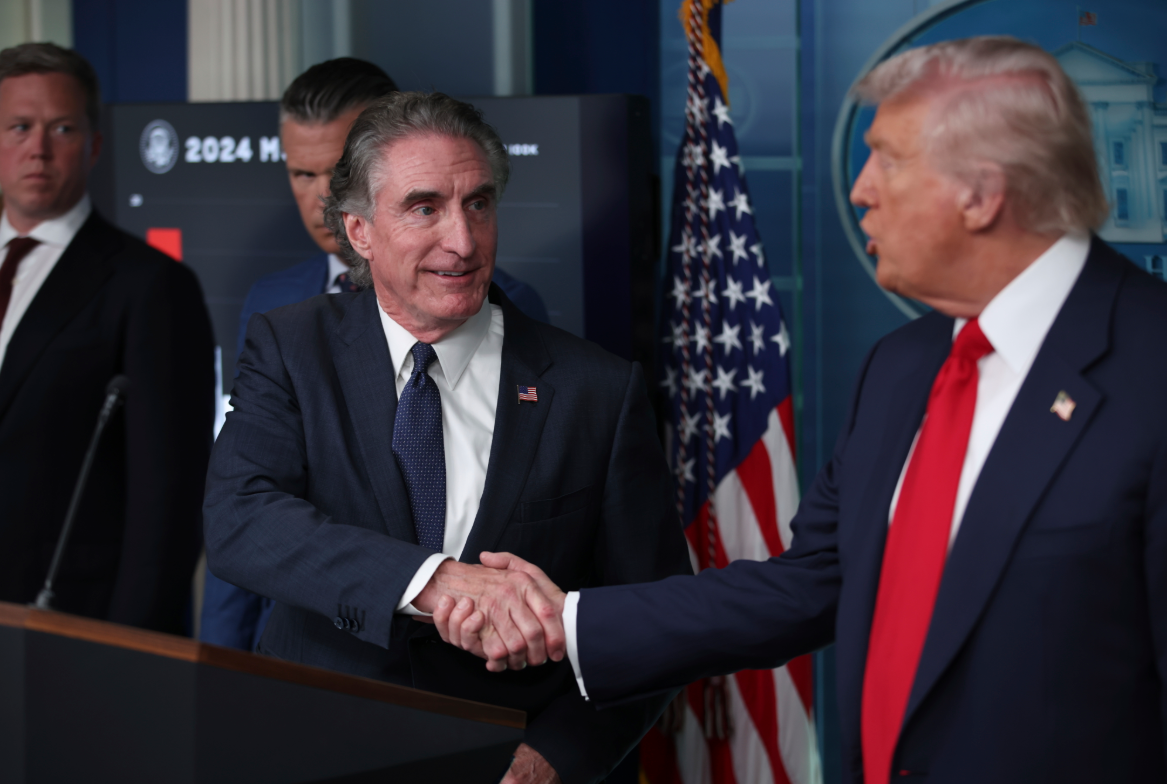
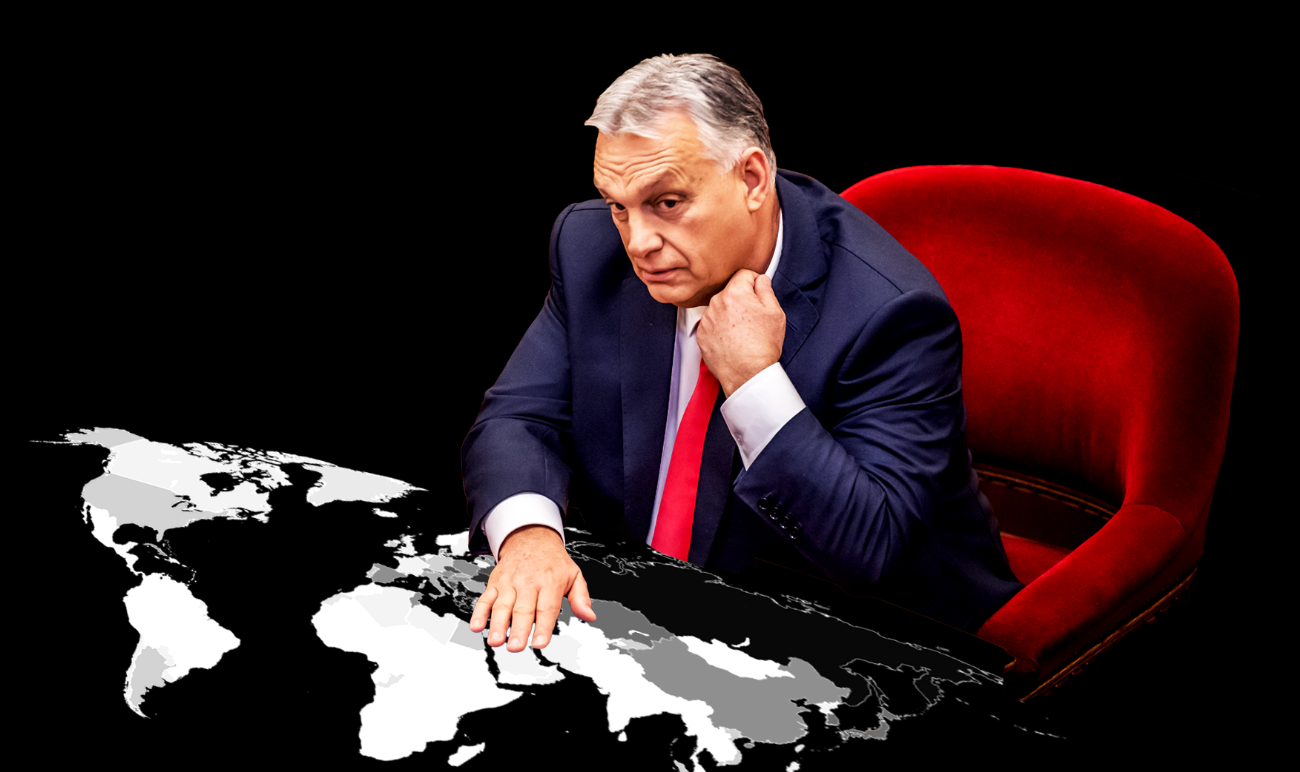
As the conflict in Iran drags on, and Trump continues to threaten escalation unless the Strait of Hormuz is opened, the ability of the U.S. to maintain a stable, international order is put into question. Trump’s erratic policy decisions and statements have driven deep wedges between allies, attracted criticism from leaders around the world and eroded the moral authority of the U.S. The negative consequences of his words and actions stem from an abuse of power in the form of presidential unilateralism. While this article focuses on policy decisions in the Trump administration, it is important to keep in mind that numerous past administrations have also exercised presidential unilateralism through executive orders, such as George W. Bush’s establishment of a detention camp at Guantánamo Bay.
Presidential unilateralism refers to the U.S. President’s ability to create policies, make laws and take action without the initial consent or approval of Congress. Using tools like executive orders, presidential memoranda, national security directives and more, presidents can act quickly during times of legislative gridlock in Congress. However, this strategy often faces criticism as an overreach of executive authority because it bypasses the traditional legislative process. In fact, while presidential unilateralism is not stated explicitly in the Constitution, the president often acts unilaterally using implicit powers in the “Vesting Clause” of Article II, which establishes executive power as residing with the president. Additionally, the Supreme Court often resolves disputes over unilateralism, and Congress can override executive actions by passing new legislation that invalidates, amends or restricts the order’s application. In terms of topic relevance, the President’s authority to deploy military forces abroad without Congressional approval exemplifies presidential unilateralism, with a multitude of historical and modern examples to support both sides of the debate with ample empirical evidence.
Broad examples of presidential unilateralism during the first and second Trump administrations include his tariffs, withdrawal from international organizations and agreements like the Paris Agreement and the World Health Organization (WHO) and mass layoffs within the federal workforce. Generally, his use of presidential unilateralism has followed his “America First” agenda, transitioning the U.S. from a leading, multilateral state to an isolated, unilateral state. Many of his actions, including the authorization of Operation Absolute Resolve, which resulted in the capture of Venezuelan President Nicolas Maduro, and Operation Epic Fury, which led to the current conflict in Iran, have drawn widespread criticism. Trump is frequently seen as acting without respect for international laws, which has led to increasing tensions with European allies and increased isolation. With Trump threatening to withdraw from NATO on numerous occasions, European NATO members and Canada increased their defense spending by 19.6% in 2025, demonstrating efforts to reduce reliance on the U.S. for arms imports.
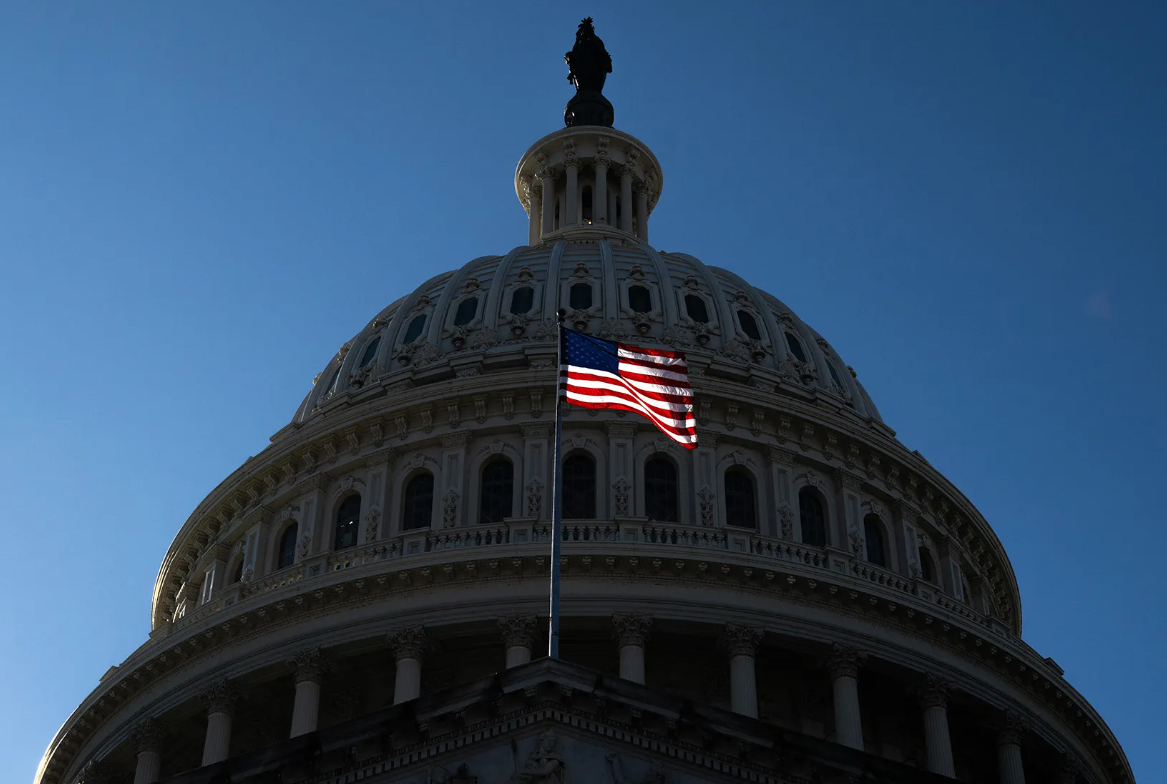
Focusing on Trump’s unauthorized deployments of military forces abroad, shortly after Operation Absolute Resolve and Operation Epic Fury, Congress held votes on War Powers Resolutions aimed at restricting unauthorized military action in Venezuela and Iran. However, in both instances, Congress failed to pass restrictive measures because of party-line votes, failing to force a withdrawal of the deployed military forces.
Following Operation Absolute Resolve, Trump renewed threats to Colombian President Gustavo Petro, criticizing him for his handling of drug trafficking. He also coined the term “Donroe Doctrine,” which is a proactive interpretation of the Monroe Doctrine that justified direct military action to assert U.S. dominance in the Western Hemisphere. His operation sent shockwaves around the globe, as it demonstrated the impacts of a global power unconstrained by norms and institutions.
In Operation Epic Fury, rising oil prices caused by the closing of the Strait of Hormuz are damaging the global economy by slowing economic growth and driving up inflation as prices for basic commodities skyrocket. Polls highlight the public’s disapproval of Operation Epic Fury, finding that around six-in-ten Americans (61%) disapprove of Trump’s handling of the conflict. Additionally, in a third iteration of the No Kings Protests, large protests against the conflict in Iran, immigration enforcement and executive overreach took place across the country last week.
The negative consequences of presidential unilateralism, especially in the context of military deployments, are far-reaching. As a global hegemon, the U.S. loses credibility both as an ally and a deterrent. While it could be argued that the future presidents will work to repair relations, the damage has already been done and can be repeated down the line. The affirmative can use empirical evidence from Operation Absolute Resolve and Operation Epic Fury to highlight the dangers of unchecked executive power being vested in one individual: the president. On the flip side, the negative can use empirical evidence from earlier conflicts, like Obama’s request for airstrikes on Syrian chemical plants being denied, to argue that Congress is too slow and indecisive when it comes to making decisions that require rapid response and adaptation. In the end, it is important to continue following these events, especially the conflict in Iran, as they evolve, and to continue making connections between recent events and the impacts of presidential unilateralism going forward.
Read more here:
- Freddie Clayton, Megan Lebowitz, NBC News
- Robert Kagan, The Atlantic
- Kenneth Lowande, Jon C. Rogowski, Annual Reviews
- Congress, Constitution Annotated
- Kiran Rachamallu, Devin O’Connor, Center on Budget and Policy Priorities
- Mark Hallam, DW
- Scott R. Anderson et. al., Brookings
- Daren Bakst, Rachael Wilfong, The Heritage Foundation
- Steven Shepard, Andrew Daniller, Pew Research Center
- Judy Woodruff, Sam Lane, PBS News
- Damian Murphy, Robert Benson, CAP
- Jack Goldsmith, Lawfare
- James P. Pfiffner, George Mason University
- Neal Devins, College of William & Mary Law School