Bianca Trujillo — April 7, 2026
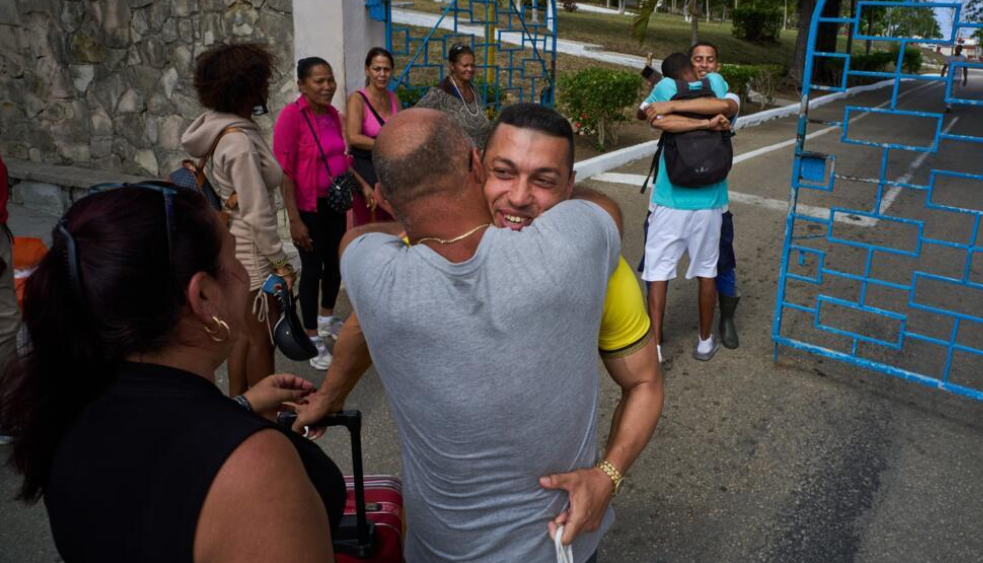
Cuba has begun releasing more than 2,000 prisoners in what the government describes as a “humanitarian and sovereign” gesture, marking one of the largest amnesties in over a decade. The releases, timed around Holy Week, include individuals convicted of crimes such as theft and bribery, with officials citing factors like health, good behavior and time served.
However, the move has drawn intense scrutiny from human rights organizations and the United States, largely due to uncertainty over whether political prisoners (those detained for dissent or protest) are among those freed. So far, independent groups report no confirmed releases of political detainees, and the Cuban government continues to deny that such prisoners exist, arguing that those arrested during past protests were convicted of legitimate criminal offenses.
Legally, Cuba’s action can be understood as an exercise of sovereign clemency power, which is the authority of a state to grant pardons or reduce sentences. This is a common feature of many legal systems and is often used for humanitarian reasons or diplomatic signaling. In this case, the scale of the release suggests both humanitarian and strategic motivations, particularly amid rising international pressure and ongoing negotiations with the United States.
However, the controversy lies in the distinction between ordinary prisoners and political prisoners, which has significant implications under international law. Organizations such as the United Nations and human rights groups argue that individuals imprisoned for peaceful protest or expression may be protected under international human rights frameworks, including freedoms of speech and assembly. If such individuals remain detained, critics argue that mass releases excluding them may fall short of meaningful reform.
Additionally, the lack of transparency ( in the sense that Cuba has not published a full list of released prisoners) raises concerns about due process and accountability. Without independent verification, it is difficult for observers to assess whether the amnesty complies with international human rights expectations, or merely serves as a symbolic gesture.
There is also concern about what some analysts describe as a potential “revolving door” effect, where governments release prisoners while continuing to detain others, keeping overall repression levels stable. While not confirmed in this case, past patterns in similar contexts have fueled skepticism among advocacy groups.
The prisoner release highlights ongoing tensions between Cuba’s domestic legal framework and international human rights norms. While the government frames the move as a humanitarian act within its legal authority, critics argue that true reform would require the recognition and release of political prisoners, along with greater legal transparency.
Ultimately, the situation underscores a central legal and political question: whether mass pardons without systemic change represent genuine progress or simply are a temporary easing of pressure in a tightly controlled legal system.
Read more here: