
US Foreign Policy
-
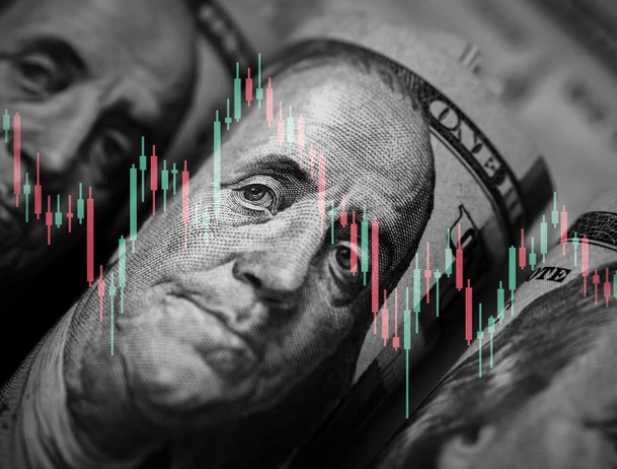
The Iran War’s Effect on Bonds
President Trump assured the public that the war would only last “4 to 6 weeks.” It has now been 5, and the markets are reacting. After the killing of Iran’s Supreme Leader Ayatollah Ali Khamenei, Iran has responded fiercely.
-

A Look at President Trump’s War Rhetoric
Democratic politicians and experts on presidential communications warn that President Trump’s recent threats against Iran are a dangerous escalation of rhetoric that could undermine global American credibility and domestic support for the war.
-

The Cost of Hormuz Hits Home
On March 2nd, 2026, Iran closed the Strait of Hormuz. This week, this supply shortage has hit the US markets, causing the price of gas and other oil products to rocket up to above $4 in some areas.
-
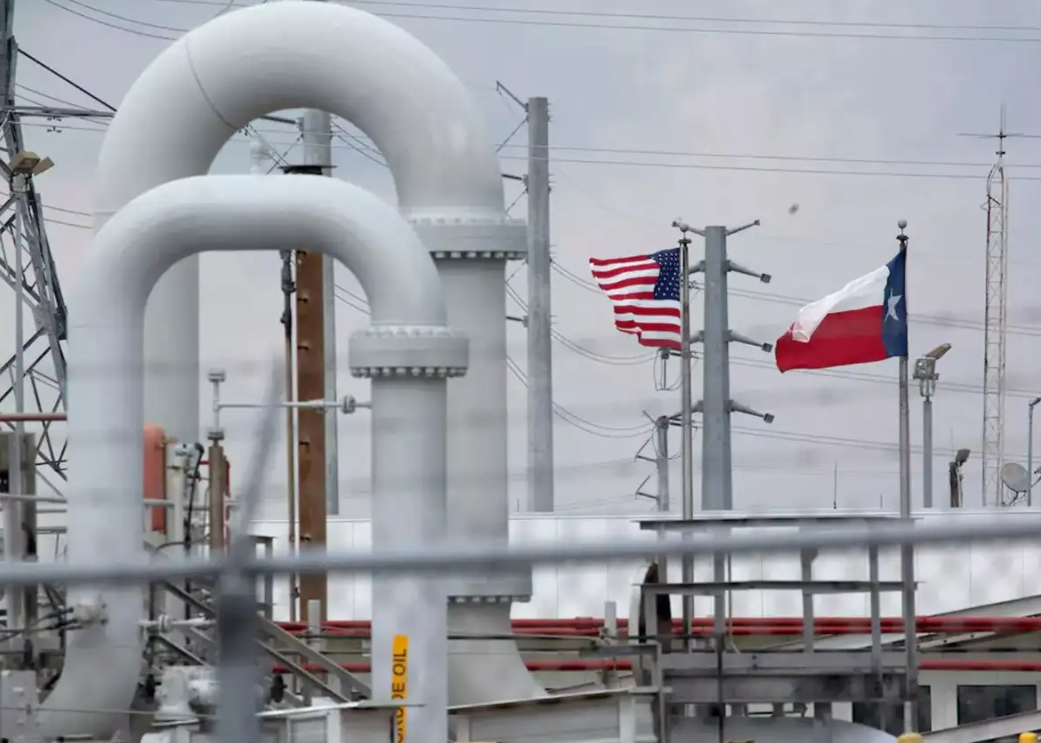
U.S. Signals Plan to Remove Iranian Oil Sanctions
The United States has announced its intention to relax sanctions on oil exports from Iran, which represents a major policy shift in its stance towards Iran. This growing pressure is in an effort to stabilize oil supplies.
-
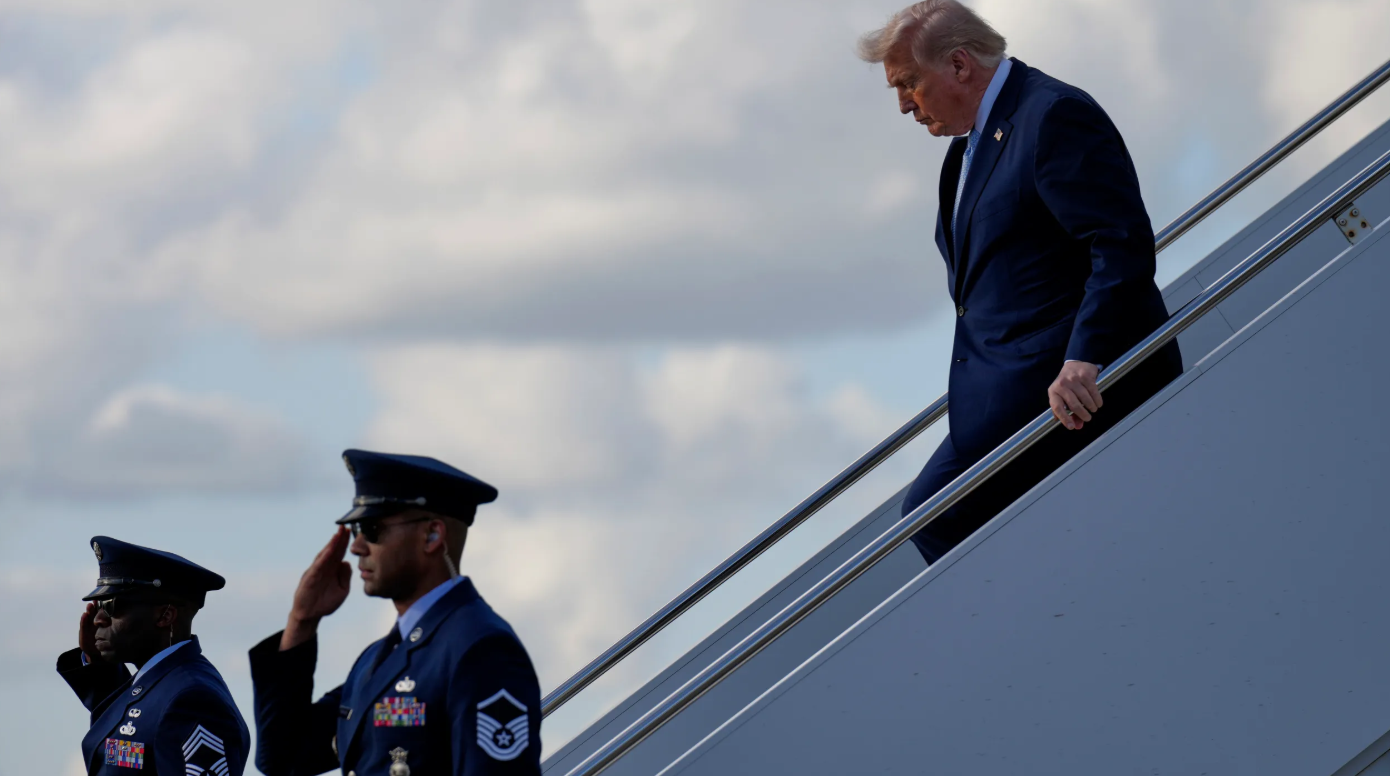
Mixed Messages from the Commander in Chief
The war in Iran has drawn a controversial reception across the United States. As the Commander in Chief, President Trump holds the power to prolong his assault on Iran, or exit with expediency.
-
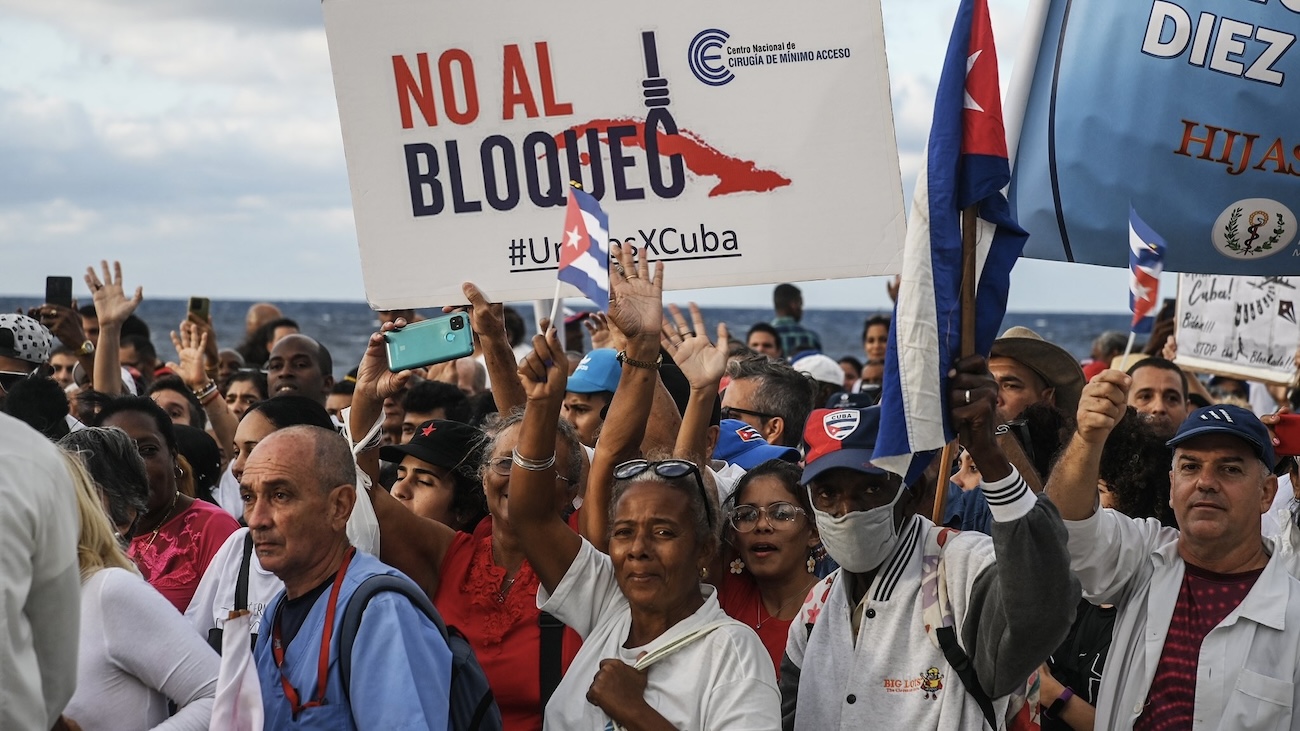
Cuban Blockade Remains: Entire Nation on Verge of Collapse
After President Trump’s EO establishing a naval blockade on all imports of oil to Cuba, the economy is almost completely starved of power. Gasoline is now rationed, and hundreds of products have been left to spoil without working refrigerators.
-

U.S. Urges Allies to Move to Secure Strait of Hormuz
Iranian attacks on ships and maritime infrastructure have disrupted ships passing through the strait, sending global oil prices above $100 per barrel and raising fears of a major energy shock.
-
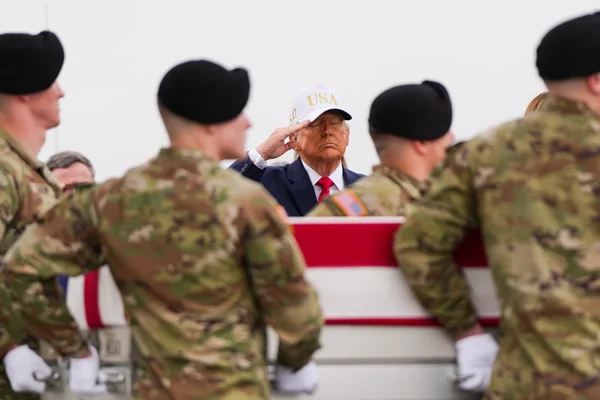
American Refueling Plane Crashes in Iraq
On Friday, amid rising tensions with Iran, six United States service members were killed when their KC-135 refueling plane crashed in Western Iraq. The American death toll in the Iran war has now risen to 13.
-

U.S. Troops One Foot into Ecuador
On Tuesday, Ecuadorian and United States military forces began a joint operation domestically to combat international terrorist organizations. This is part of a building movement to reduce the trade of drugs internationally, particularly in Latin America.
-

The Death of “America First” Through Trump’s Waging War on Iran
Though it has been speculated that if a recession ensues, the Trump Administration could utilize resources from the Strategic Petroleum Reserve, the current inventory of the reserve is only roughly 415 million barrels of oil, which would likely be outstripped by these economic offsets. Despite the American people supporting…
-
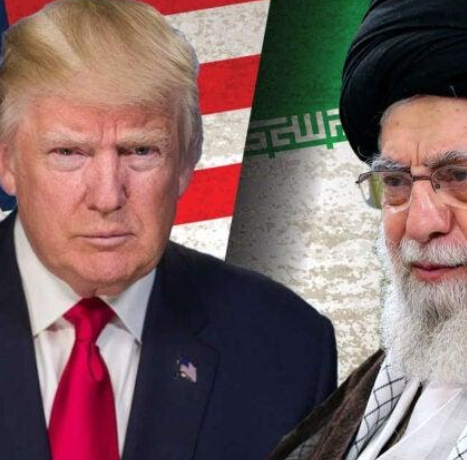
Trump’s Moment of Reckoning With Iran
Even as aides continually warn him to focus on domestic economic policy, President Donald Trump has pushed the U.S. further and further to the brink of war with Iran, despite ever-depreciating woes of GOP midterm failure.
-
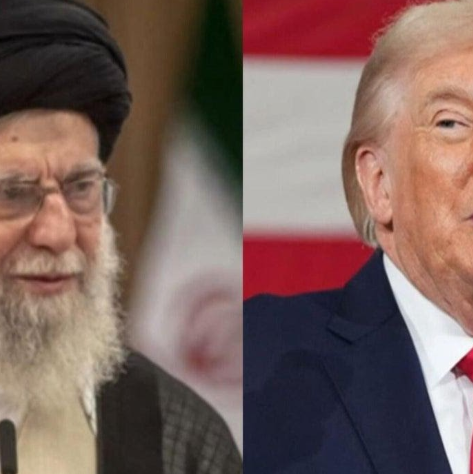
US-Iran Nuclear Talks Progress
President Trump has suggested that his top priority is for Iran to scale back its nuclear program and that it would be “traumatic for Iran” if they refused to comply.
-
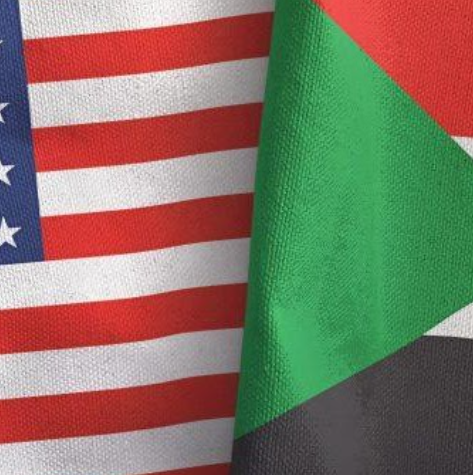
The American Responsibility to Cut the UAE’s Involvement in Sudan
The civil war in Sudan is often framed as an internal power struggle. In reality, the United Arab Emirates (UAE) has played a large role in aiding the RSF militarily and financially.
-

The US Exits the World Health Organization
After nearly 80 years of membership, the US has officially completed its full withdrawal from the World Health Organization. The HHS has since criticized the WHO…
-
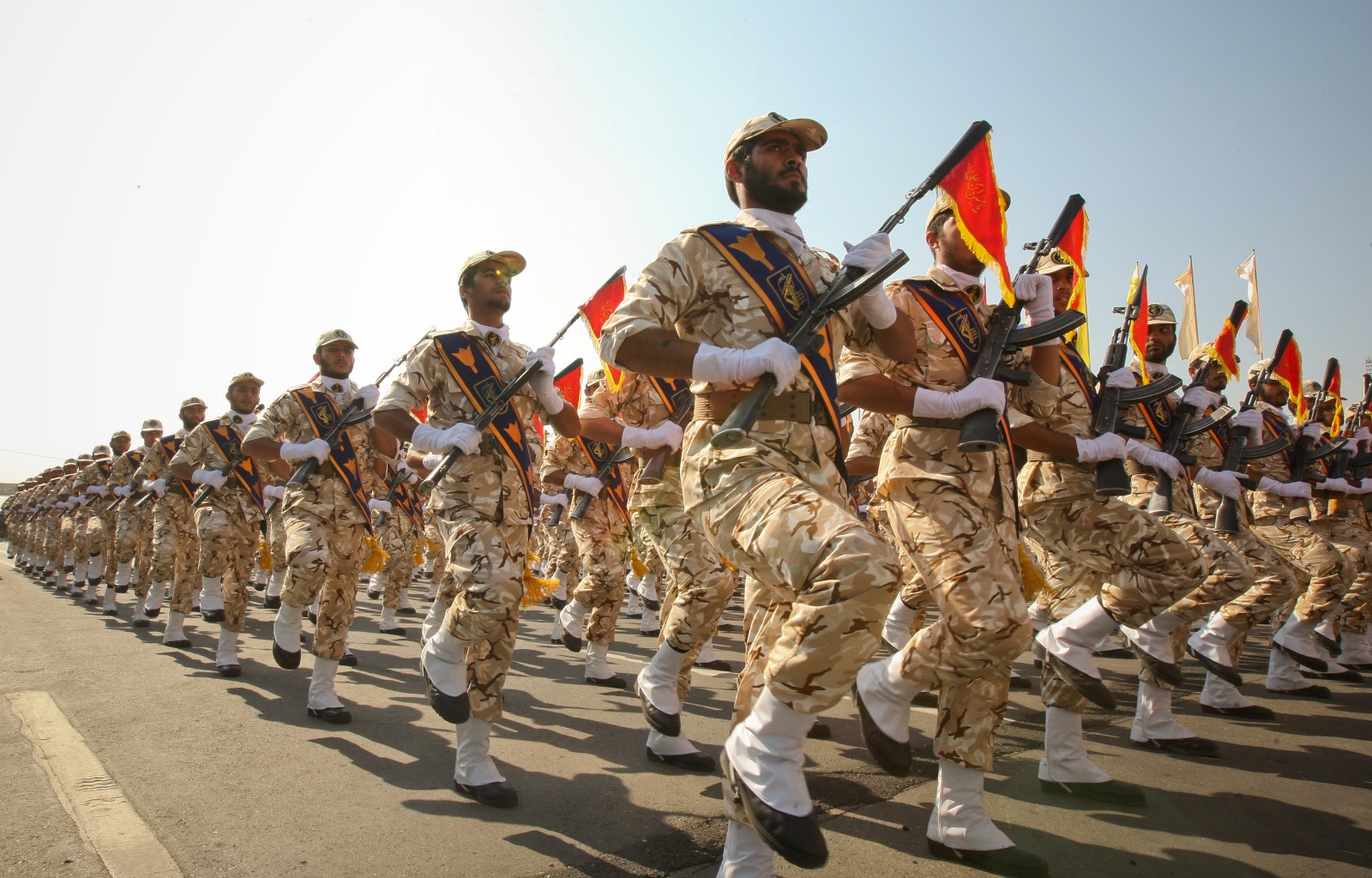
Iran at the Brink: The Potential for US Invasion
As protests grow in Iran, the potential for a US invasion has grown. Growing tensions between the Trump Administration threaten regime change in Iran.
-
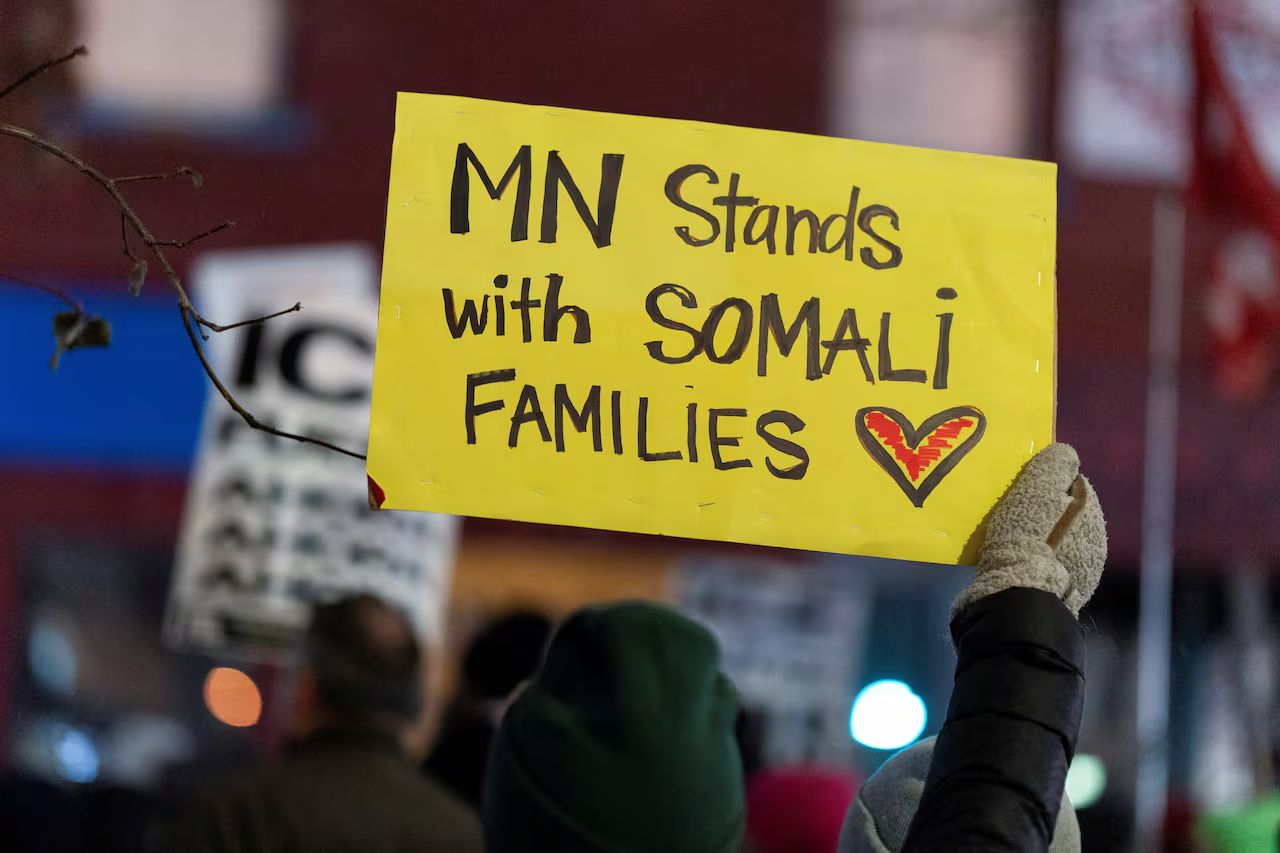
Trump Ends Somalian TPS
DHS Secretary Kristi Noem has revoked Somalia’s Temporary Protected Status, threatening citizens of Somalia dissent by removing their protection from persecution in the United States.
-
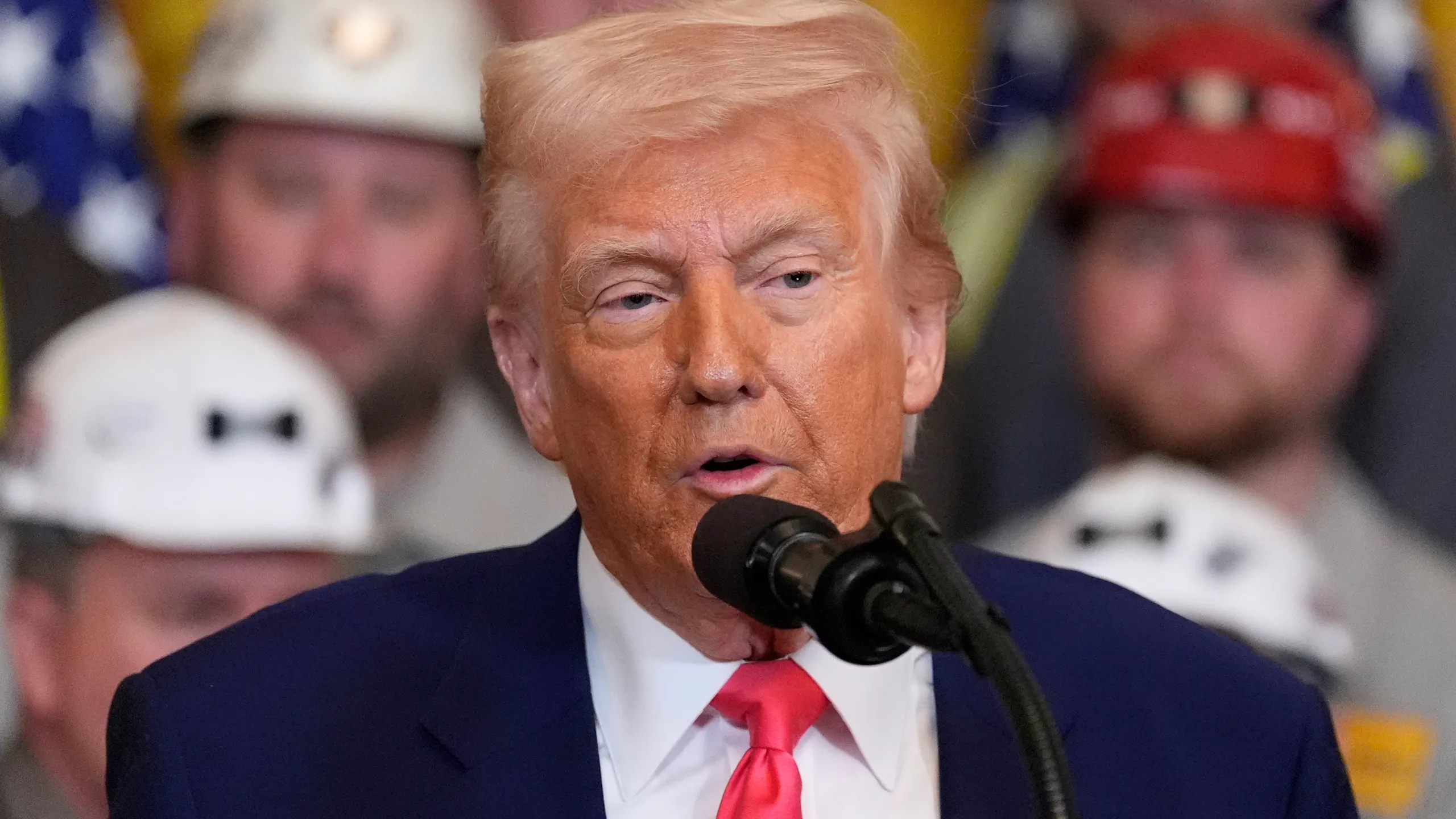
The Death of the TACO Trade
“Trump Always Chickens Out” (TACO) trade, a feature of his administration, has lost its persistence following the abrupt removal of Venezuela’s Nicholas Maduro.
-
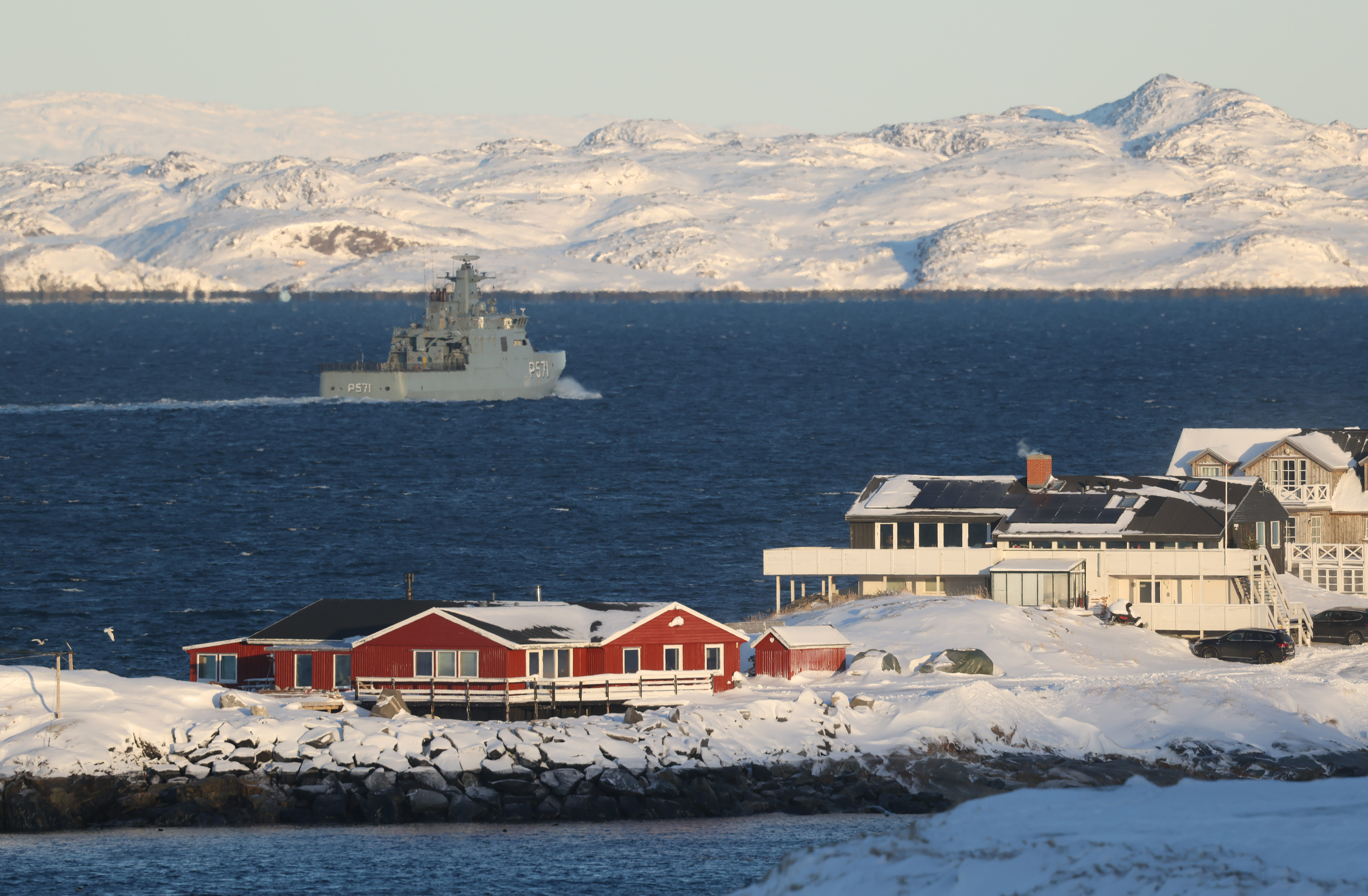
Trump-Greenland Tensions
On Sunday, President Trump told reporters on Air Force One, “We need Greenland from the standpoint of national security.” Leaders of the EU and NATO remain extremely cautious of a potential US takeover of Greenland.
-

The Fallout of Operation Absolute Resolve in Venezuela
The US’ arrest of Venezuelan President Nicholas Maduro has drawn various reactions, from hope for a democratic transition to criticism over violations of international law.
-

Trump Backs Protestors in Iran
Since December 2025, huge anti-government demonstrations have swept across Iran, which were triggered by skyrocketing inflation attributed to Iran’s currency’s collapse. President Trump has said American military “rescue” is not off the table.
-
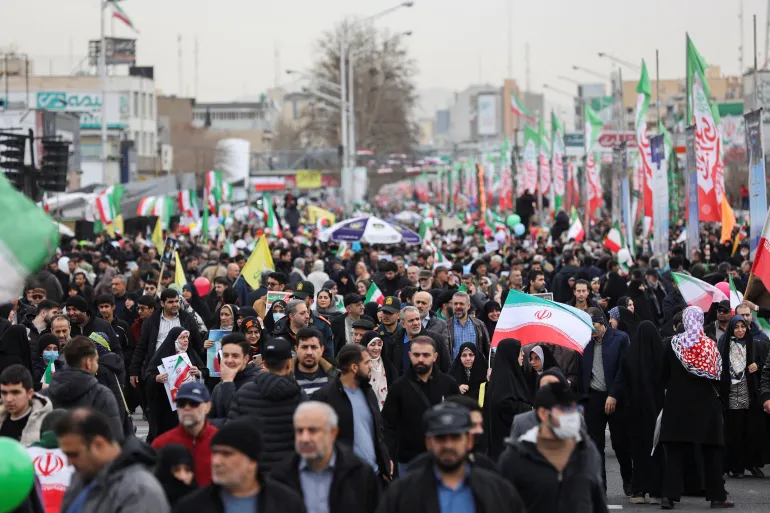
Iran Grapples With Renewed Nationwide Protests
Thousands of anti-government protestors are marching over the collapse of the Iranian rial. The government’s brutal crackdown on protestors has earned a subtle threat from US President Trump.