
US Foreign Policy
-
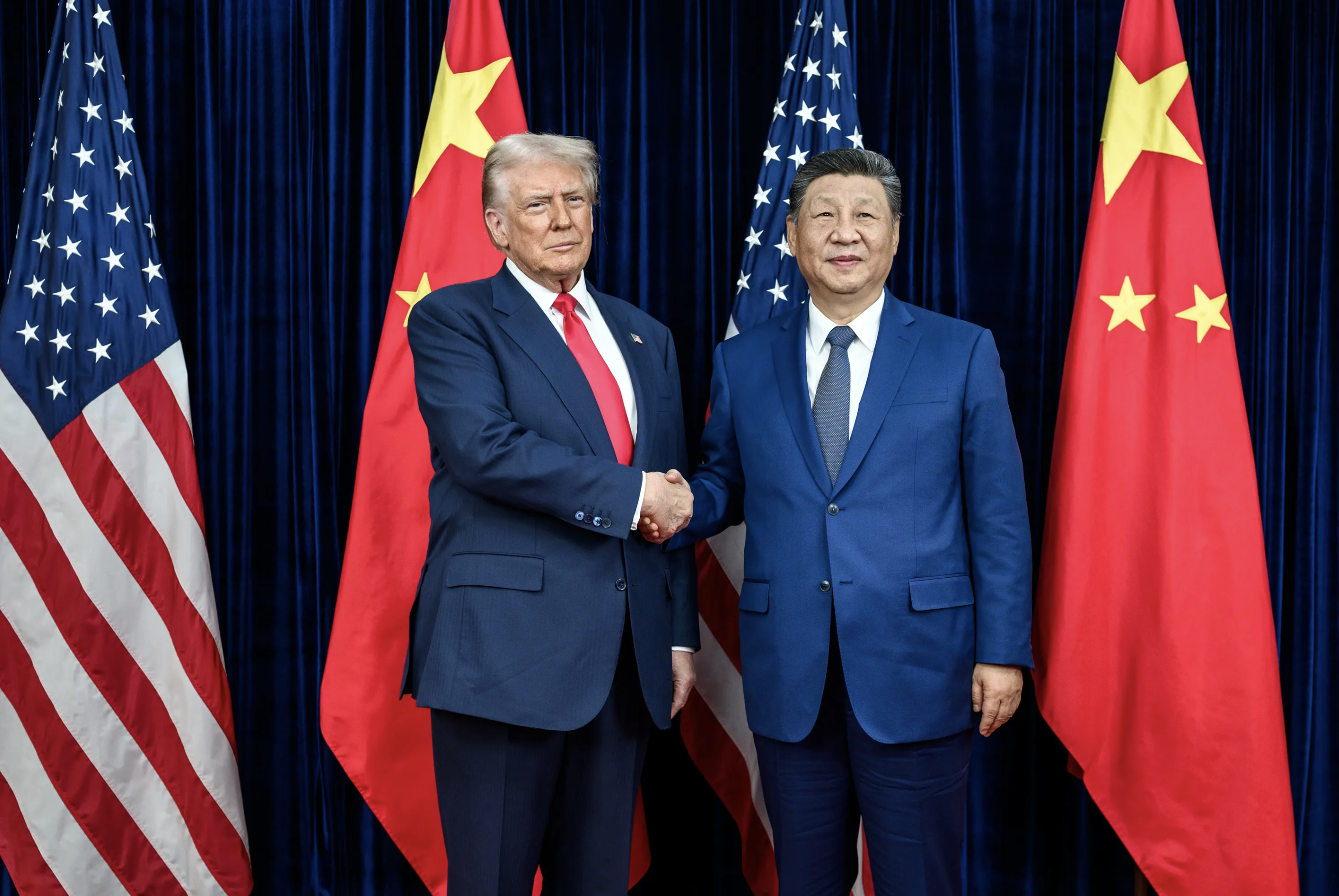
The Trump-Jinping Summit: Trade and Tensions
On September 24th, 2026, Donald Trump and Xi Jinping met to discuss international trade, tensions, and technology. Though the meeting was largely positive in tone, the lofty nature of its propositions left major questions open as it has been criticized as yielding little change.
-

Canada Imposes Retaliatory Tariffs on US Goods worth $20 Billion
On August 25th, Canada, imposed its own retaliatory dollar-for-dollar $20 billion tariff package against the United States. This marks one of the most significant low points of US-Canada relations, as nearly 79% of Canadians hold an unfavorable view of Trump.
-

U.S. Reaches Oil Agreement with Venezuela
On August 28th, the State Department gained a 35% stake in North American Blue Energy Partners (NABEP) and he right to purchase 20% of NABEP’s production and the right of first refusal on the remaining 80%. Trump has called this the “biggest oil deal in…
-
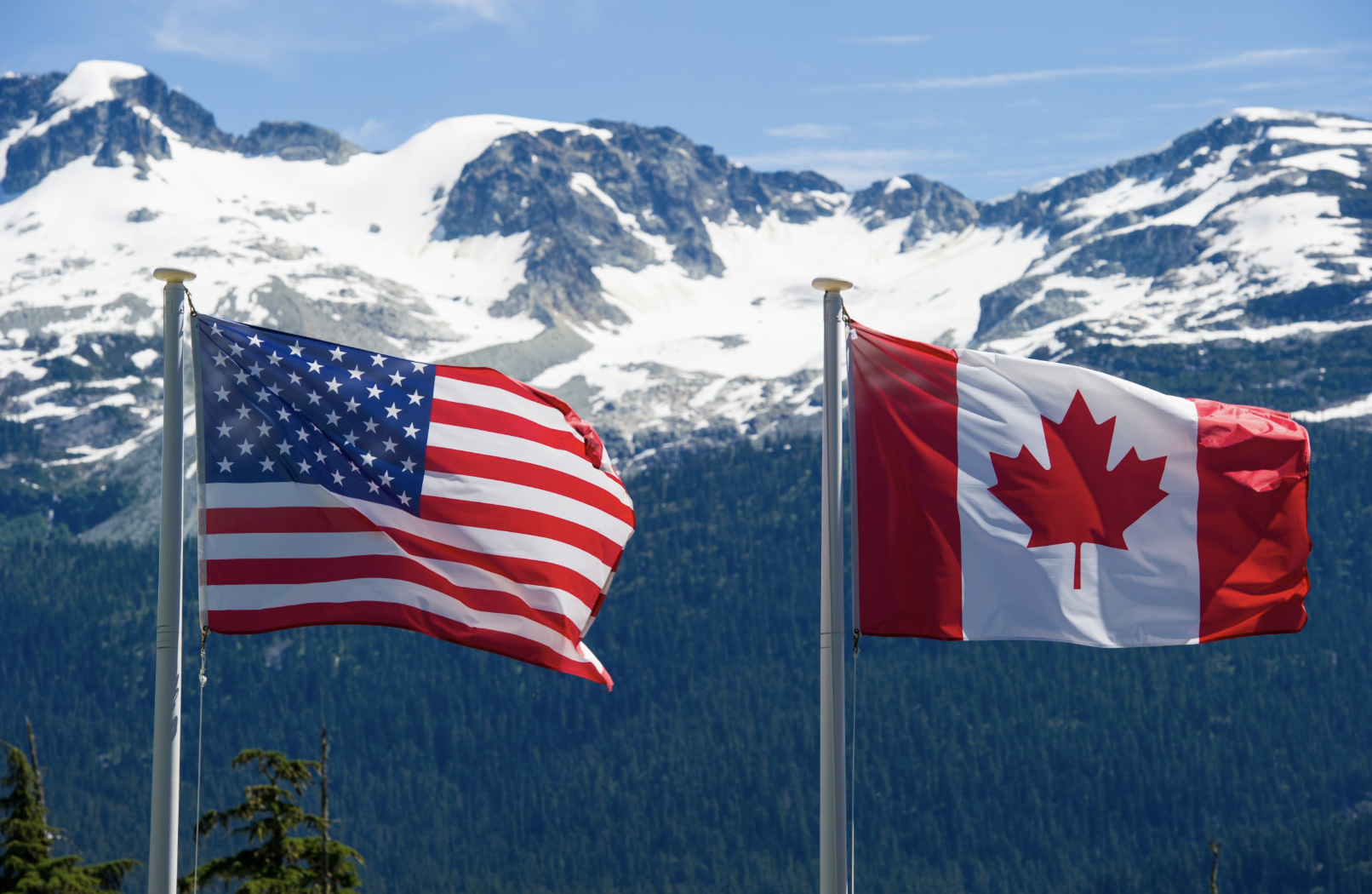
U.S.-Canada July Tariffs and Section 338 of the Tariff Act of 1930
United States-Canada economic relations have historically been strong. With the largest trading relationship in the world, the two countries have come close to exchanging nearly $1 trillion in exports each year. However, this changed when U.S. President Donald Trump invoked Section 338 of the Tariff…
-
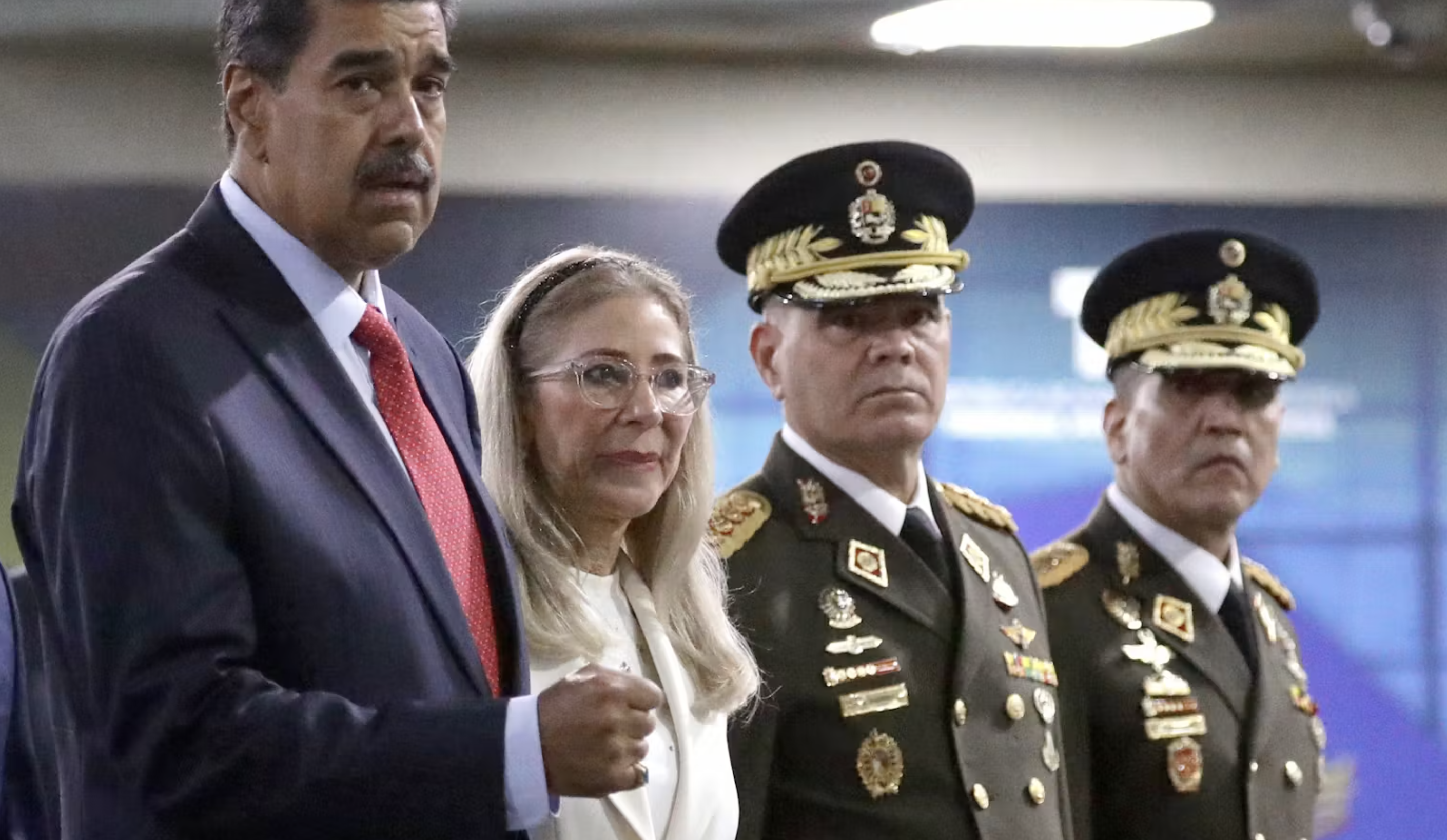
The U.S. Occupation of Venezuela, Seven Months In
On January 3rd, the U.S. military captured Venezuela’s president, Nicolás Maduro, and declared de facto rule over the country. After seven months of the American occupation, it is important to see if there has been any progress in political and economic liberalization.
-
From Hormuz to Islamabad: The Anatomy of the US–Iran Peace Deal
The United States and Iran have agreed to a 14-point peace plan. It provides a framework for stabilization amid tensions with the two countries and Israel. With death tolls standing at over 7000, negotiations have hesitantly resumed.
-
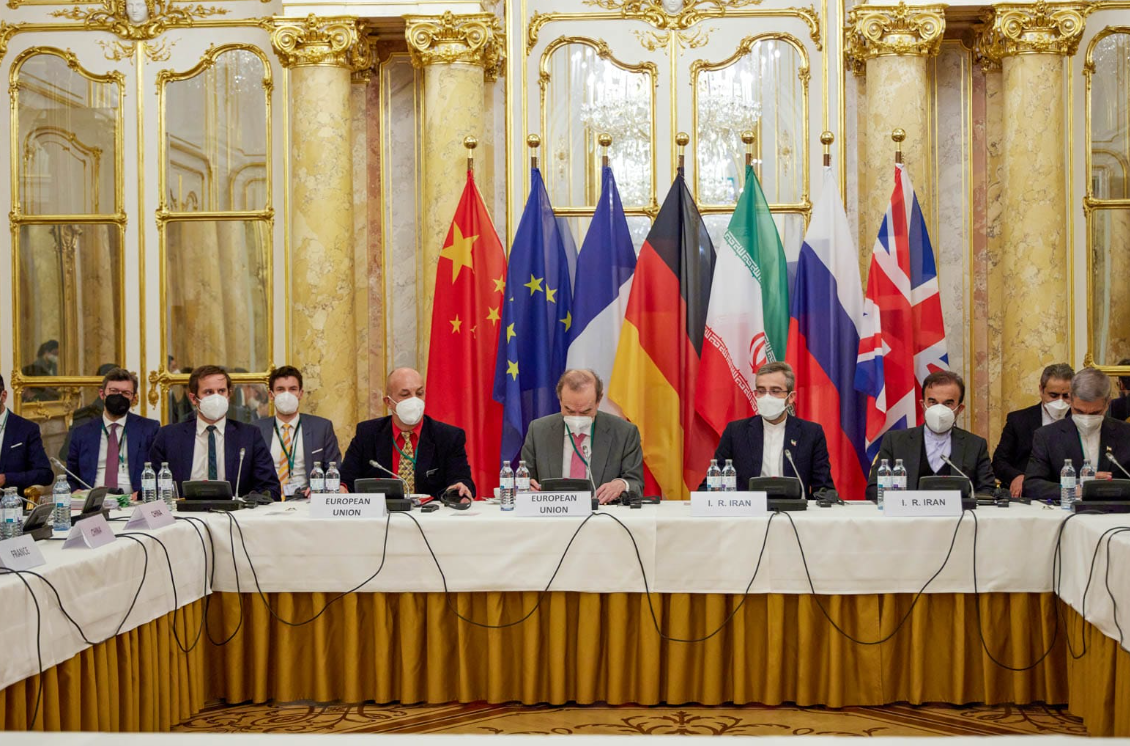
Iran Deal Nears as Global Stakes Rise
Negotiations between the United States and Iran appear closer to a breakthrough than at any point since the war began. Officials from Washington and Tehran have both signaled progress while warning that diplomacy remains fragile.
-
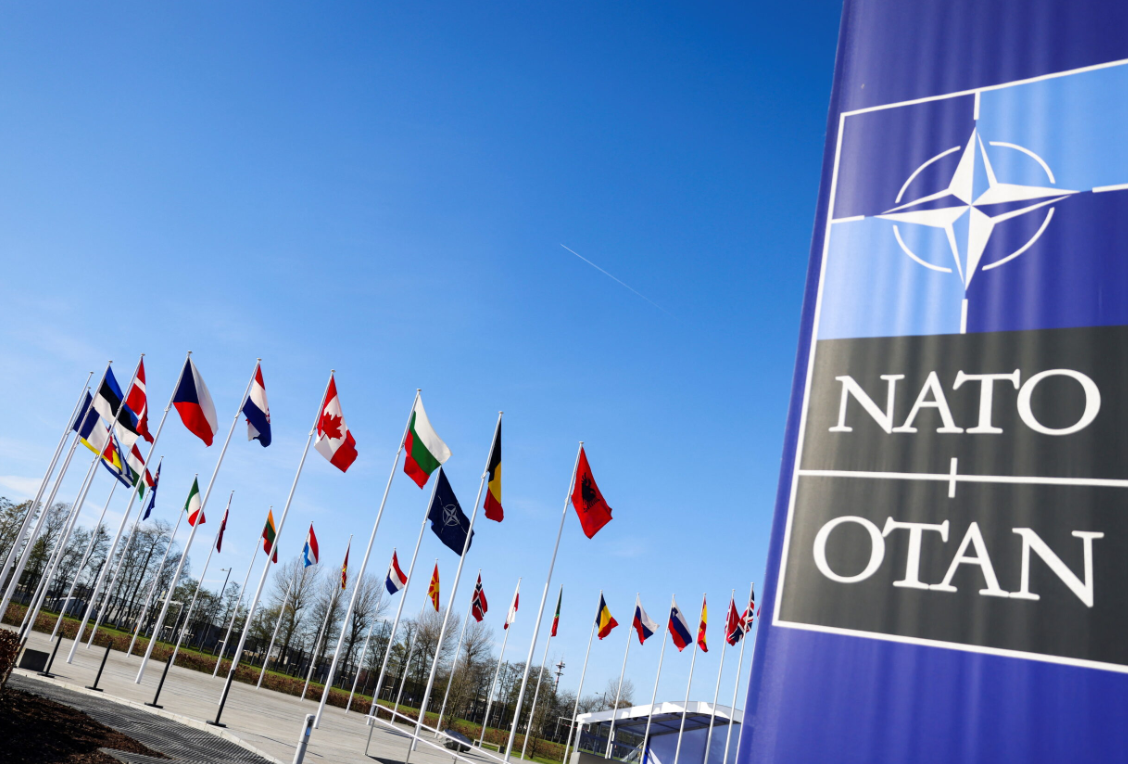
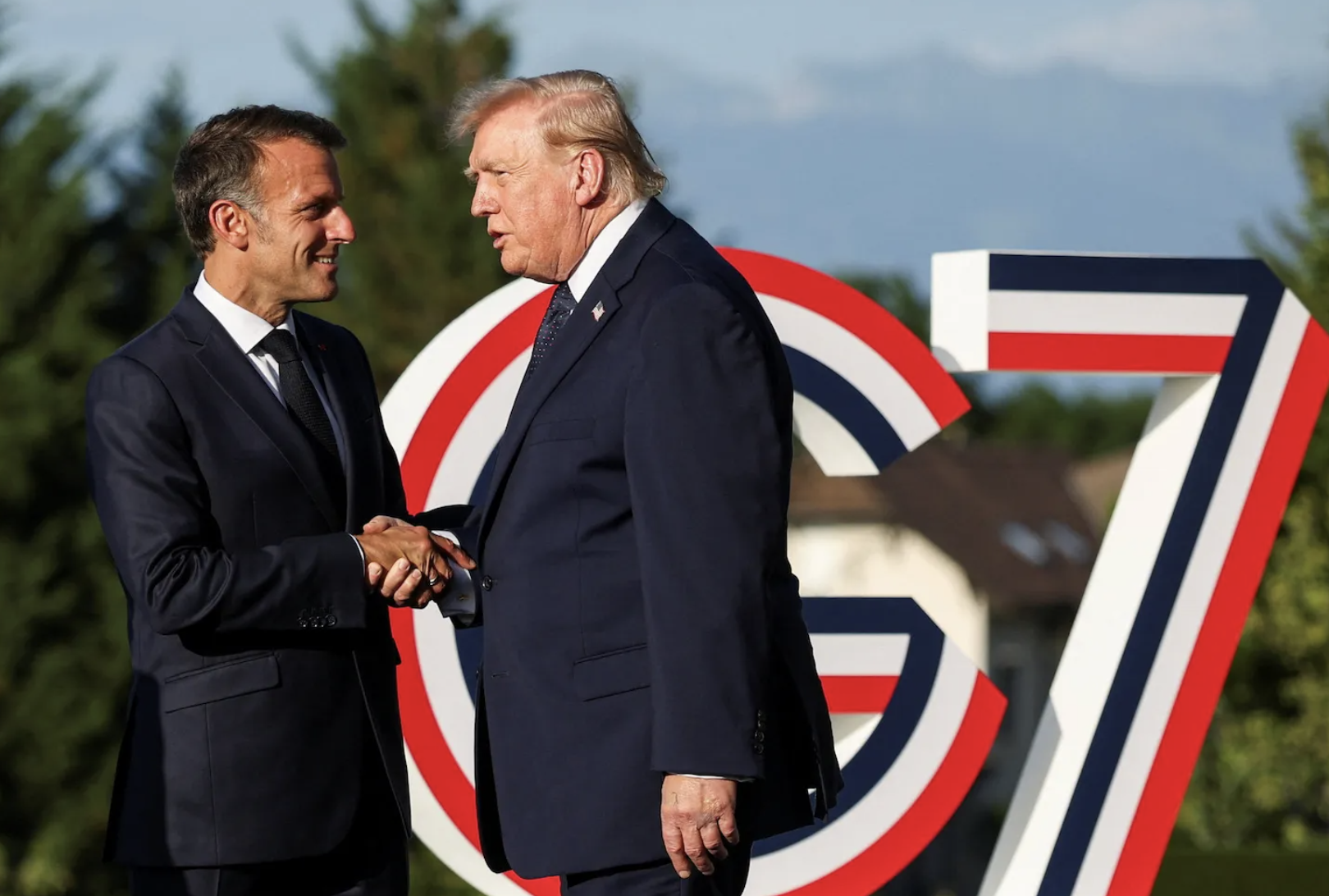
A Transatlantic Collapse: NATO’s Rift Fully Explained
President Trump’s relationship with personal business (both socially and financially) has long been defined as transactional and self-centric. That mentality has bled into foreign policy.
-

The Trump-Xi Summit: The Global Standstill
On May 14 2026, Donald Trump met with Xi Jinping in Beijing for a major summit centered on trade policy, tariffs, artificial intelligence, Taiwan, and the future of US-China economic relations.
-

The Complex Picture of Chip Smuggling
Unfortunately for China hawks in the U.S. government, China’s demand for AI chips has been so high that the chip smuggling industry thrived in 2026. Recent DOJ investigations reveal the nature of some of these schemes.
-

Iran’s War Shakes the U.S. Housing Market
For the second week in a row, borrowing costs for American homebuyers have climbed, and experts say relief is not coming anytime soon. The average rate on a 30-year fixed mortgage climbed to 6.37% this week.
-
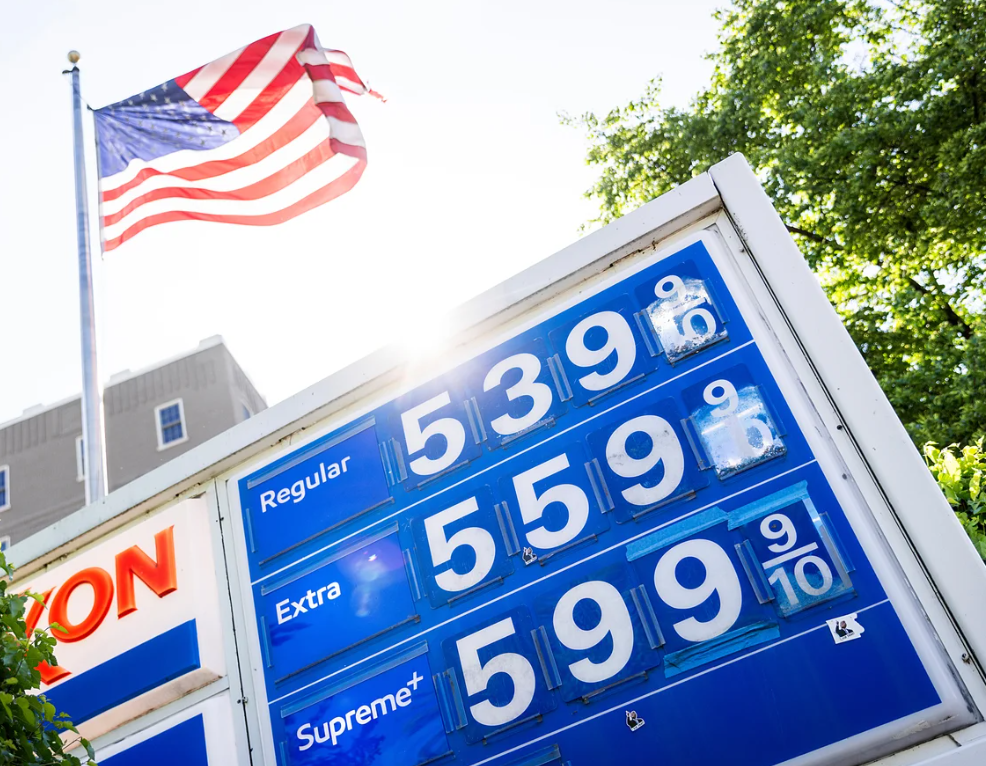
Trump Puts His Foot on the Gas Prices
6 in 10 Americans disapprove of Trump’s military action due to issues ranging from spending to gas prices. Having failed to sustain any agreement to open the Strait, Trump has looked domestically to lower gas prices.
-

U.S. Rejects Iran Peace Plan Amid Rising Tensions
Iran has received a U.S. response to its latest peace proposal. President Donald Trump reportedly told Israel’s Kan News on Sunday that the proposal was unacceptable to him.
-
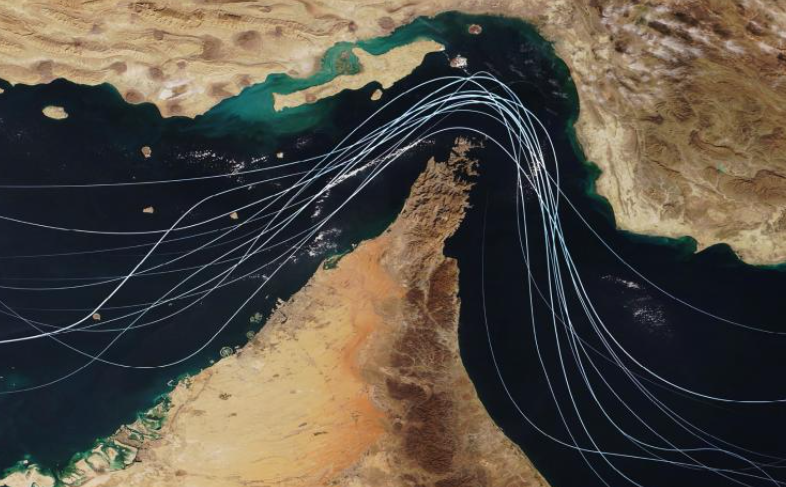
Political Volatility: The Opening and Closing of the Strait of Hormuz
Amid ongoing tensions between Iran and the United States, Iran announced the reopening of the Strait of Hormuz to commercial vessels on April 17, declaring it “completely open” for shipping traffic following a U.S.-brokered ceasefire related to broader regional conflicts.
-

America’s Policy Roller Coaster on the Iran War
Over the past week, the uncertainty over the Iran War persisted, with broken ceasefires, fragile deals and further twists and turns in its trajectory. Oil jumped, then crashed, then jumped, and economic indicators are pushing that same uncertain narrative.
-

Escalation Around Iran’s Nuclear Sites
Iran said the area around its Bushehr nuclear power plant had been attacked for the fourth time during the current war. One of the plant’s employees was killed in the attack.
-
The Iran War’s Effect on Bonds
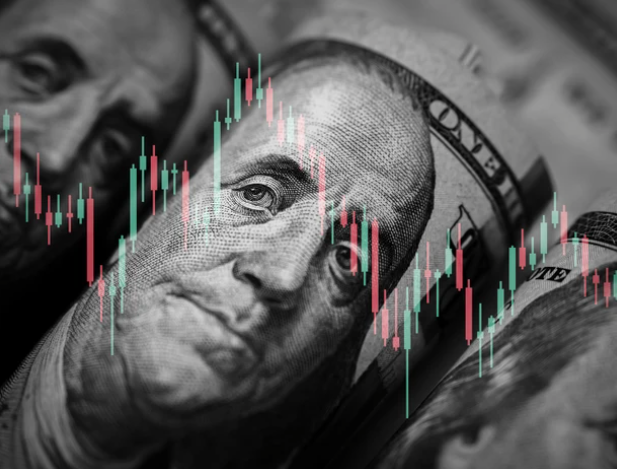
President Trump assured the public that the war would only last “4 to 6 weeks.” It has now been 5, and the markets are reacting. After the killing of Iran’s Supreme Leader Ayatollah Ali Khamenei, Iran has responded fiercely.
-

A Look at President Trump’s War Rhetoric
Democratic politicians and experts on presidential communications warn that President Trump’s recent threats against Iran are a dangerous escalation of rhetoric that could undermine global American credibility and domestic support for the war.
-

The Cost of Hormuz Hits Home
On March 2nd, 2026, Iran closed the Strait of Hormuz. This week, this supply shortage has hit the US markets, causing the price of gas and other oil products to rocket up to above $4 in some areas.
-
U.S. Signals Plan to Remove Iranian Oil Sanctions
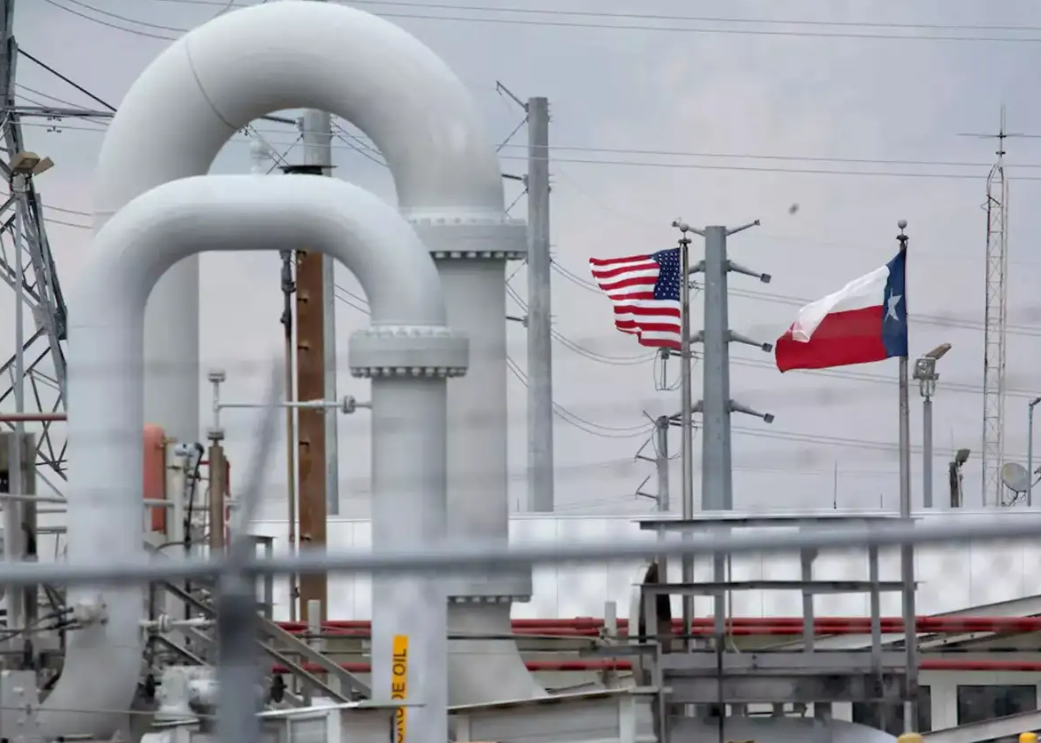
The United States has announced its intention to relax sanctions on oil exports from Iran, which represents a major policy shift in its stance towards Iran. This growing pressure is in an effort to stabilize oil supplies.
-
Mixed Messages from the Commander in Chief
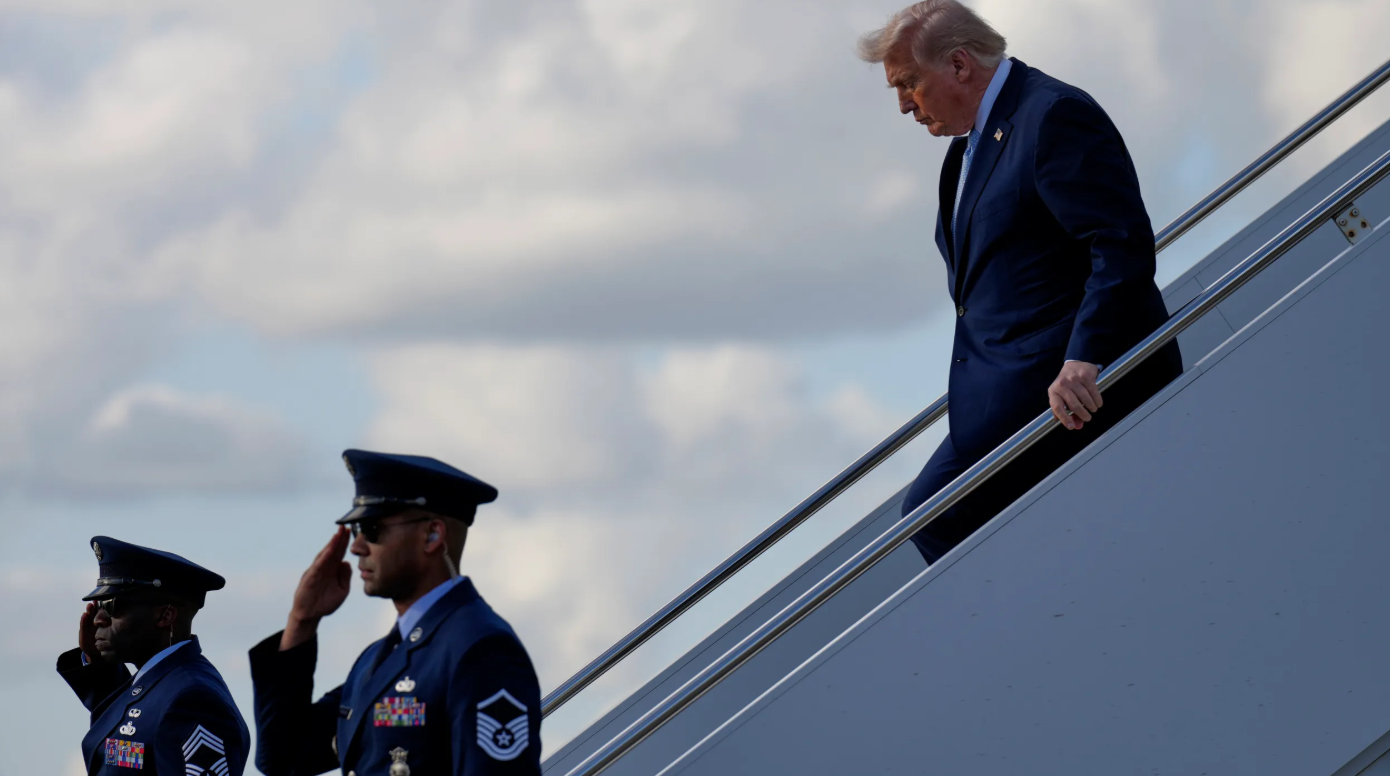
The war in Iran has drawn a controversial reception across the United States. As the Commander in Chief, President Trump holds the power to prolong his assault on Iran, or exit with expediency.