Santiago Jiménez — November 24, 2026
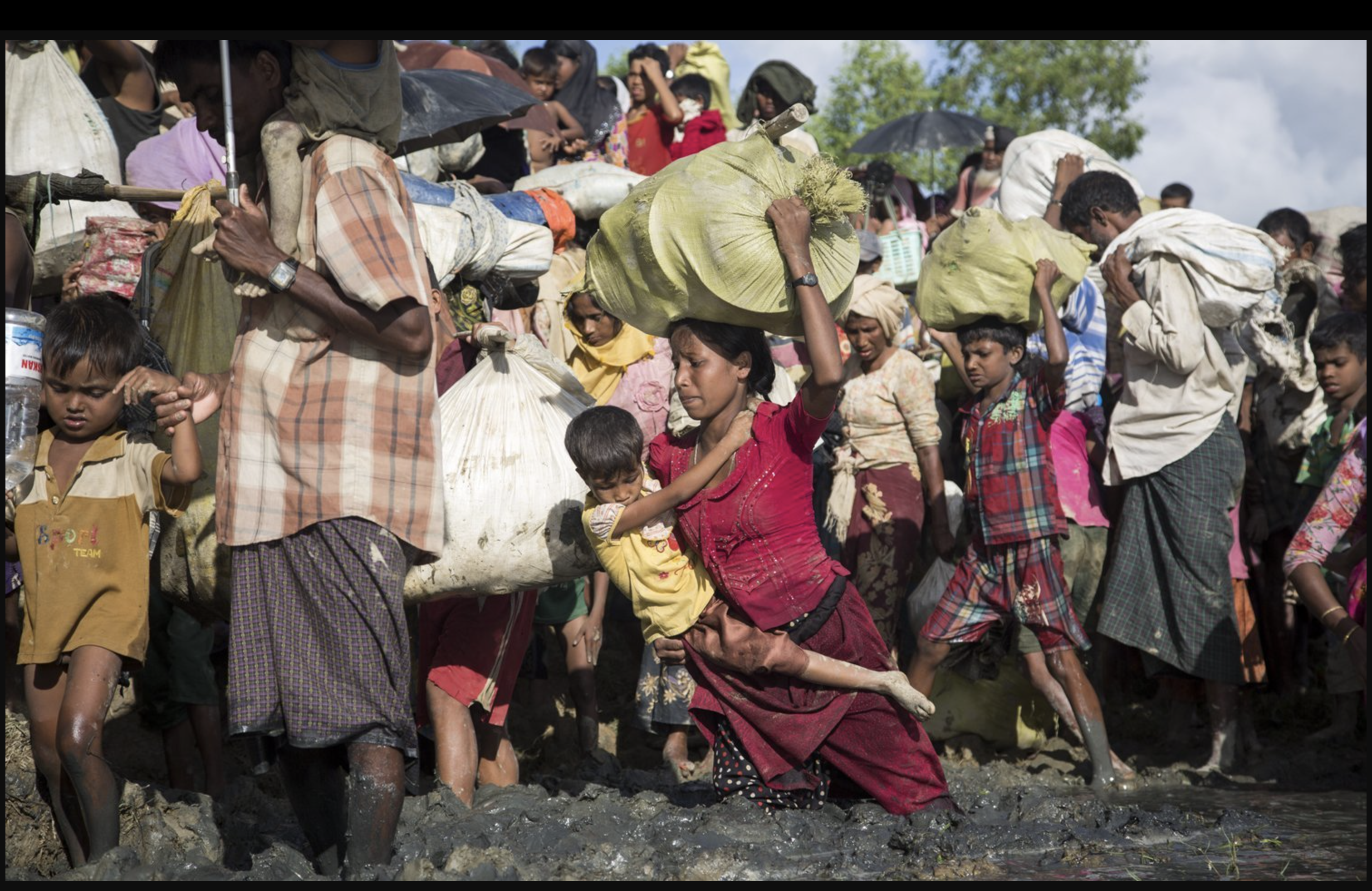
More than 1,000 people cheered as a verdict appeared on a television in Bangladesh’s Cox’s Bazar refugee settlement on November 19th. The International Court of Justice had found Myanmar responsible for genocide against the Rohingya. For people driven from their homes by the country’s military, the judgment offered recognition of what they had endured and an order requiring Myanmar to allow their return.
The case began in 2019, when The Gambia accused Myanmar of violating the Genocide Convention. Two years earlier, Myanmar’s military had carried out a campaign of killings, rape, and village burnings that forced more than 700,000 Rohingya into Bangladesh. Myanmar maintained that its forces were responding to an insurgency and denied committing genocide. Its government did not immediately respond to Reuters’ request for comment on Thursday’s ruling.
By a vote of nine to six, the judges found that Myanmar had committed genocide. Establishing that charge required proof of an intent to destroy the Rohingya, in whole or in part. The majority concluded that the pattern of violence could only reasonably be explained by an intent to destroy a substantial part of the group. It rejected counterinsurgency and forced displacement as sufficient explanations for the military’s conduct. This was the first time the ICJ had found a state responsible for committing genocide. The court ordered Myanmar to facilitate the voluntary return of displaced Rohingya under safe and dignified conditions, reunite families, and return or replace lost property. Where full restitution is impossible, Myanmar must provide compensation. The amount has yet to be determined; Myanmar has two years to report the steps it has taken toward restitution and its proposed compensation. Myanmar must also protect the Rohingya against discrimination and persecution. The Gambia sought citizenship for every member of the group, but the court declined to order it.
If Myanmar refuses to comply, Gambia can ask the UN Security Council to intervene; Human Rights Watch notes that the council has never exercised this power to enforce an ICJ judgment. The ruling binds Myanmar, but the court has no police force. Britain announced on November 19th that it was expelling Myanmar’s defense specialist. That measure punishes Myanmar diplomatically, but families still need authorities on the ground to restore their property and protect them. Return also depends on who controls the territory. Human Rights Watch reports that the Arakan Army holds most of Rakhine State and has subjected Rohingya to forced labor and arbitrary detention. A family returning to those areas would depend on protection from an armed group that the judgment does not directly bind. Diplomatic pressure on Myanmar’s government alone cannot settle that problem.
Read more here: