Sahil Jiwani — November 24, 2026
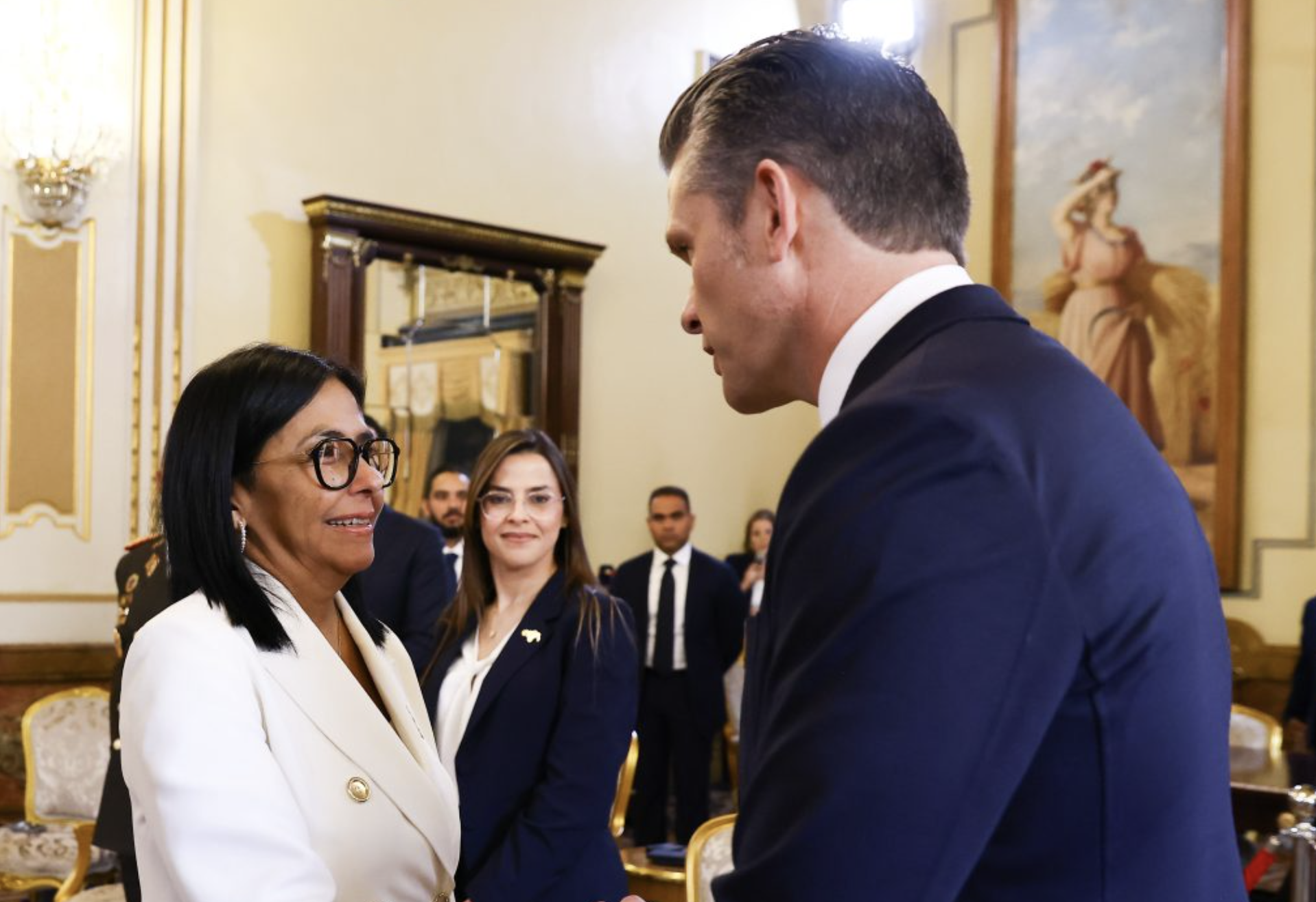
On Wednesday, November 18th, the United States and Venezuela signed a deal reestablishing military relations. US Secretary of Defense Pete Hegseth and Venezuela’s defense minister General Gustavo González López signed this deal during an official visit in Venezuela’s capital, Caracas.
This deal comes 11 months after the United States conducted a controversial military operation, capturing then-president Nicolás Maduro. The Trump administration claimed that this was a law-enforcement operation addressing Maduro’s crimes against humanity. This operation led to the United States uplifting Delcy Rodríguez as the new president. However, critics describe Rodríguez as leading a “puppet regime,” with Secretary of State Marco Rubio running the show.
Furthermore, on August 31st, Rubio and Hegseth signed a historic oil deal, giving the U.S access to 65 billion barrels of Venezuelan oil. Hegseth claims that this deal “makes the Strait of Hormuz a nonfactor for the Western Hemisphere.” However, three months after this deal, average gas prices are still 26% higher than pre Iran war levels.
The Deal
While the administration hasn’t released in-depth details surrounding how this new deal will be executed, Hegseth has provided some vague looks. Firstly, Hegseth explained that both countries’ militaries will start conducting joint training and intelligence sharing in an attempt to reduce and fight the amount of narcotics that enter the United States. So far, “240 people have been killed since the administration began targeting those it calls ‘narco-terrorists’ in September 2025,” and with this new deal, that number is only expected to surge.
Ultimately, this deal benefits the United States in two key areas: the energy market and the war against drugs. One of the main reasons the Republicans lost both the House and the Senate in the midterm elections was due to high oil prices. This means that reducing oil prices is a major focus of the party leading up to the 2028 presidential election, and this deal helps by providing proximity to the source of the oil. However, the main reason for this deal was to increase the military’s ability to carry out the war on drugs. More Americans have died due to opioids than in both world wars combined, and most of those opioids enter the country through South America. This deal gives the military a unique access point into South America, leading experts to expect an increase in strikes in the region.
Read more here: