
Adrienne Wang — March 24, 2026
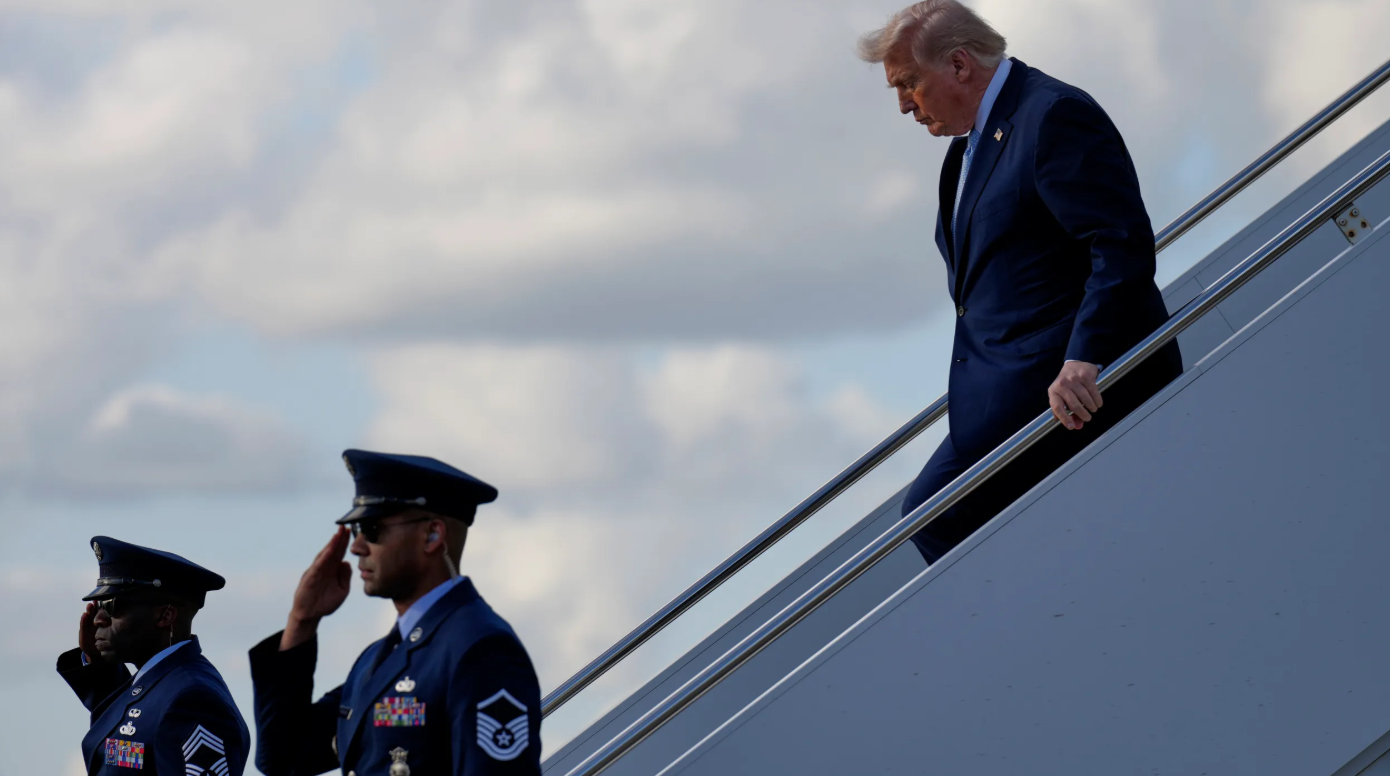
The new March-April Lincoln Douglas topic, “Resolved: The United States military ought to abide by the principle of non-intervention” discusses whether the U.S military has a moral obligation to avoid involvement in other countries unless for self defense. As defined by the U.S Legal Forum, the principle of non-intervention is “a guideline stating that one country should not interfere in the internal affairs of another country” in terms of international law. This fuels the debate over the role of the United States in the geopolitical landscape, on the one hand being a mediator and protector, and the other hand, being imperial and causing instability.
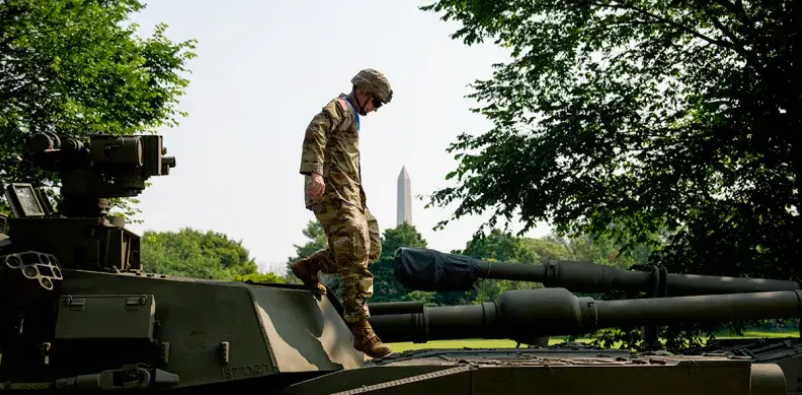
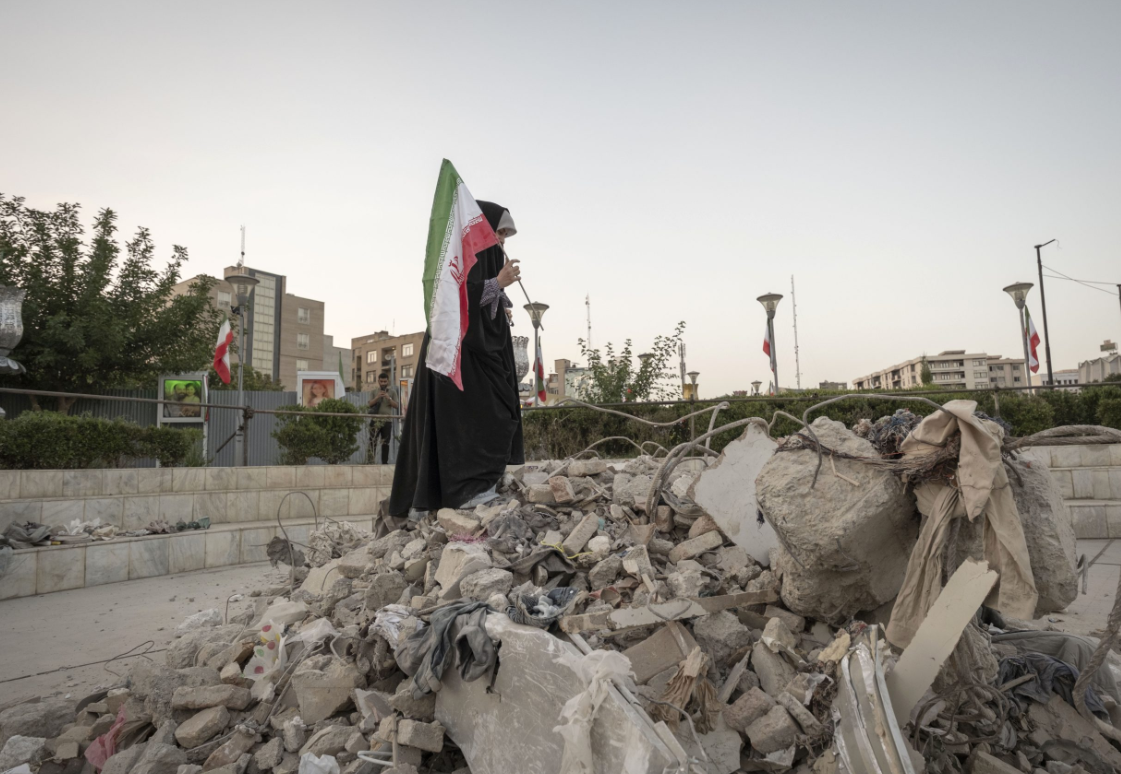
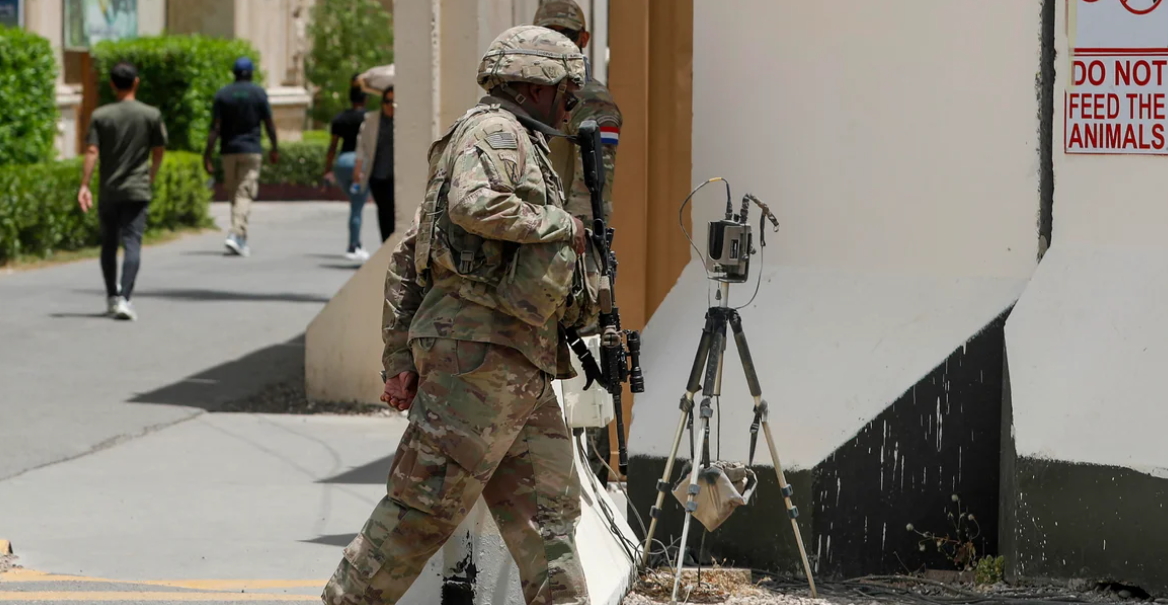
Before looking at arguments that could be made in the debate, it is important to understand the history of U.S military intervention and its function in the status quo. The Center for Strategic Studies’ Military Intervention Project found that the military has been involved in 393 interventions in other countries since 1776, and beginning in the year 2000, there have been 72 documented interventions. The majority of these involvements have been in Latin America and the Caribbean, where approximately “34% of all U.S. interventions” have taken place in that region. Sometimes, interference can lead to major conflicts. After the 9/11 attack, wars in Afghanistan and Iraq cost the country “over $8 trillion and resulted in an estimated 900,000+ deaths.” Most recently, the U.S has found itself in another war with Iran after killing the nation’s supreme leader, Ayatollah Ali Khamenei.
On the affirmative, debaters can argue that U.S military intervention is a conflict driver and undermines the sovereignty of other nations. Instead of promoting democracy, foreign imposed regime change can actually reduce it. According to the CATO institute, “the most common outcome of a foreign regime-change operation is democracy reduction” with only 3 out of 28 interferences proving successful. Furthermore, with current tensions rising with Iran, a wave of retaliatory conventional strikes are expected. If strikes were to continue and escalate, debaters could tie it to inevitable regional conflict that would draw in neighboring states and great powers, creating nuclear war impacts and extinction. Proliferation would also be a claim to consider, as there is an abundance of evidence that countries could build nuclear weapons when they perceive a threat.
On the negative, debaters could defend U.S military intervention as essential to prevent fill-in by other countries. They could state that though U.S military force may have its faults, it would certainly be better than its adversaries. The Atlantic argues that there “was no way to stop mass slaughter and genocide in Bosnia or Kosovo without U.S. military force” and the alternate would be Russian fill in. Absent U.S hegemony, there could potentially be the “axis of resistance” unleashed, where if given the chance, Russia and China will trigger a joint military challenge that threatens and escalates hotspots, including Taiwan and the Baltics that are primed to go nuclear. Ceding the global order to the axis would be worse, as Micheal Ignaneiff, a professor of History and Rector Emeritus of Central European University in Vienna, argues that they have been historically repressionist regimes and are run by “dictators.”
It is evident that the U.S military’s both past and current forms of intervention in other nations is an important controversy. It is important to thoroughly research both sides on the topic to understand the intricate nuances of each impact scenario and what specific countries are involved. For now, the U.S military remains asserting its dominance in the international scene.
Read more here: