Bianca Trujillo — March 24, 2026
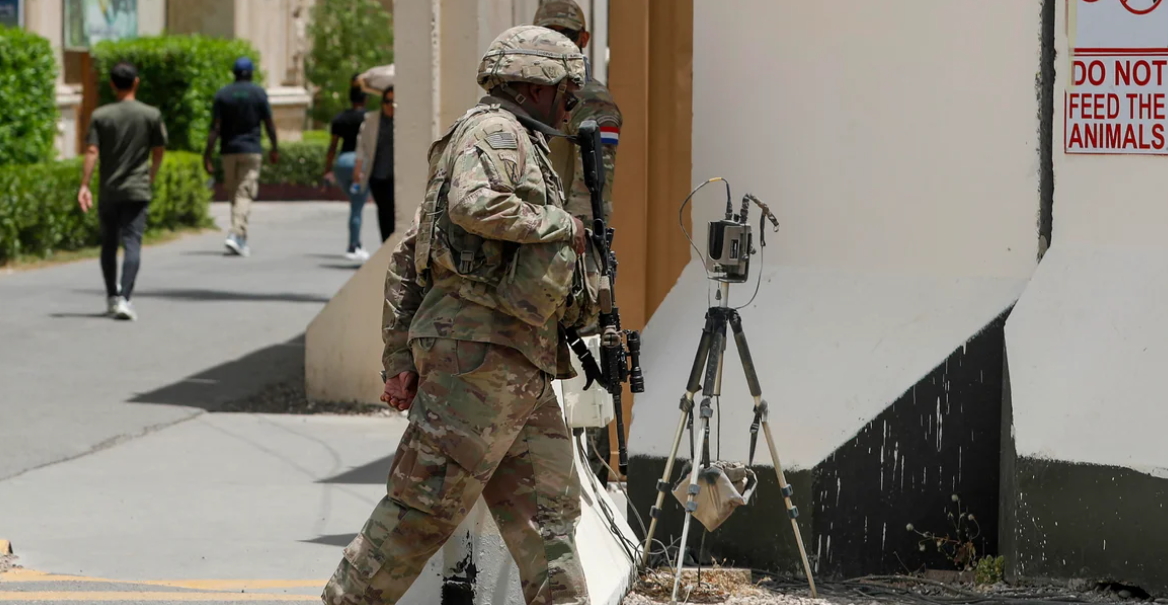
NATO has withdrawn several hundred personnel from its mission in Iraq as the Iran war intensifies due to growing security risks after attacks on allied bases in the region. The mission, originally focused on training Iraqi security forces, has now been fully relocated to Europe amid fears of further escalation.
This course of action comes from several U.S. allies, including key NATO members, who refuse to send troops or provide direct military support to the Iran conflict. Officials in Europe and Asia have expressed reluctance to become involved in what some have described as “not our war” due to escalation risks and the possibility of being pulled into a prolonged regional war.
President Donald Trump has harshly responded to this, publicly criticizing NATO allies as “cowards” for failing to assist U.S. operations, like the efforts to reopen the Strait of Hormuz. He has also warned that the United States may reconsider its commitments to allies who decline to contribute militarily, raising concerns about the future of transatlantic cooperation and burden-sharing within NATO.
However, alliance reluctance hasn’t stopped Trump: on the evening of March 21, President Trump posted on his Truth Social that the United States would give Iran 48 hours to open the Strait of Hormuz without threat. If orders aren’t followed, “the United States will hit and obliterate their various power plants.” Potential targets could include energy, infrastructure and oil plants. Responding to this is a spokesperson for the Khatam al-Anbia Central Headquarters of Iran, who stated that “all infrastructure of energy, information technology, and desalination facilities (in the region belonging to the U.S. and Israel) will be targeted.”
The growing divide between the United States and allies highlights increasing diplomatic strain within NATO, as the U.S. forwards military operations while its partners weigh the risks of deeper involvement. Analysts warn that this lack of unity could weaken coalition strategy and complicate efforts to stabilize the region.
NATO has historically operated on collective defense principles, but the current conflict falls outside a direct attack on member states, giving countries more caution over their involvement. As a result, divisions are becoming more visible, with some nations prioritizing diplomatic solutions or limited defensive roles over active combat participation. Whether or not this is the best course of action for the current situation in the Middle East is something only time can tell.
Strategically speaking, the withdrawal of NATO personnel reduces involvement in Iraq at a time when regional stability is already fragile. Analysts warn this could create a security vacuum, potentially allowing militant groups or Iranian-backed forces to expand influence in the region without proper security forces in place to stop them. At the same time, the lack of allied support places greater pressure on U.S. forces to manage both military operations and regional deterrence largely alone. Looking at the bigger picture, apart from just the Middle East, a fractured NATO response will only embolden adversaries while simultaneously encouraging non-aligned nations to remain neutral rather than risk involvement, potentially leading to tensions in other areas of cooperation, including defense spending, intelligence sharing, and future joint operations.
Ultimately, the combination of NATO’s withdrawal and allied hesitation highlights a deeper debate about the scope of U.S. leadership and the responsibilities of its partners in modern conflicts. As the war with Iran continues to evolve, the level of strength that unity has will play an impactful role in shaping both the conflict’s trajectory and the future of NATO itself.
Read more here: