Steven Zhang — March 24, 2026
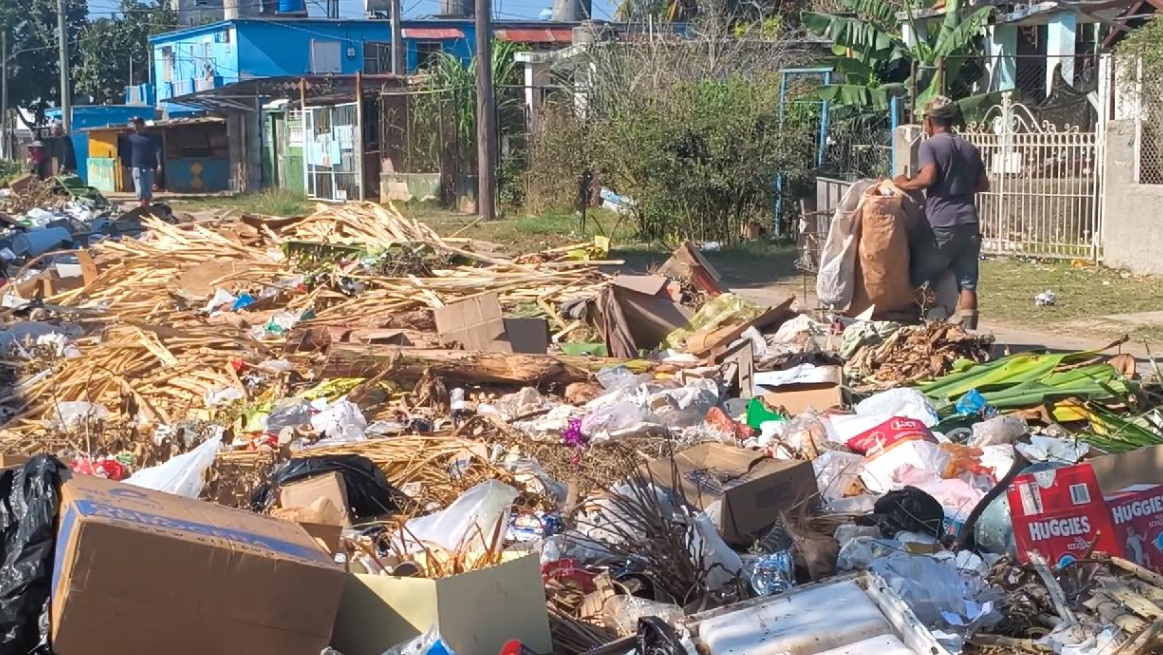
On March 21, 2026, Cuba experienced a total electrical grid collapse, resulting in the third nationwide blackout within March alone. The other blackouts occurred earlier in March and on Monday. Each blackout has left millions of Cubans without electricity for hours at a time, and as of March 22, the Cuban grid has only been partially restored for the most vital areas within and surrounding the capital Havana, prioritizing critical infrastructure such as hospitals. However, even without these blackouts, many Cubans face daily outages of up to 12 hours, further destabilizing the grid.
For years, Cuba has relied on outdated infrastructure and technology within its electrical grid, resulting in failures that contributed to this latest outage. In fact, this most recent grid collapse resulted from the unexpected failure of a generating unit within the Nuevitas thermoelectric power plant, Camagüey province. This critical failure triggered a cascading failure that ultimately led to the collapse of the country’s entire electrical grid.
Notably, the Cuban government has attributed the collapse to the US-imposed oil blockade, which has effectively halted energy imports to the country. As of now, Cuba can only domestically produce 40% of the country’s pre-blockade energy demand, skyrocketing energy prices around the island-nation. All of this comes after Cuba’s largest oil supplier, Venezuela, was forcibly taken out of the picture after the United States removed former Venezuelan president Nicholas Maduro.
International groups such as the United Nations and the Human Rights Watch are sounding the alarm about the worsening humanitarian crisis that’s unfolding across Cuba, where millions of people are facing increasing food and water insecurity. Around 1 million people, nearly 10 percent of the population, get their water from tanker trucks, and 84 percent of the island’s water-pumping equipment depends on electricity. Cuba imports a majority of its food, and those imports are declining. Due to power outages, refrigeration has failed all across the country, and it’s becoming more difficult and expensive to transport food within the island due to gas shortages.
One of the worst humanitarian impacts occurring throughout Cuba is in the healthcare failure, which has already reached a critical point. Due to the oil embargo, ambulance services can’t function, and all non-emergency operations have ceased. Although medical services have been a priority in power generation, they haven’t been immune to power outages. In more rural areas outside Havana, many emergency generators have failed from prolonged use. There is also a lack of medical supplies, as over 460 essential drugs are unavailable, affecting over 70% of Cuba’s basic drug list. This is due to the shipping slowdown, which is partially a result of the oil embargo. Flights in and out of the country have slowed, as refueling in Cuba becomes more expensive, and international private-sector shipping companies are avoiding the island for the same reason. This means that the medical supplies that Cuba imported previously have become inaccessible. As this crisis worsens, Cubans can only fear what may come next.
Read more here:
- Malek Fouda, Euronews
- Maitreyee Thakkar, Economic Times
- United Nations
- Andrea Rodriguez, Independent
Extemp Question: Can the Cuban government survive the United States’ oil blockade?
Extemp Analysis by Steven Zhang
Question: Can the Cuban government survive the United States’ oil blockade?
AGD: The start really depends on how you want to structure the rest of the speech. In my opinion, a good extemp yes/no question is still arguable, no matter what side the speaker picks, which I feel fits this question. If you want to say no, then you’d likely point out humanitarian pressure, so a more serious AGD fits. If you say yes, then a more lighthearted or humorous AGD could work. I personally would say no, so start with a narrative, tell a compelling story about someone who is facing consequences due to the energy crisis in Cuba. Tie this in by saying that people are getting desperate, and connect this to increased pressure on the government.
Background: Establish the background and then context, have a quick sentence explaining the history between Cuba and the US, then cite a source and explain the current situation of the oil blockade and energy crisis.
Answer: No, because of increasing pressure on Cuba’s government
First point: Possible US regime change. I’m going to go with a cause/effect/impact substructure in this speech, so first, I will establish the cause, which is the US signaling regime change/takeover. The effect here is pretty self-explanatory. If President Trump starts posting some stuff about a country, they’re probably pretty fried. As always, tie in the oil embargo, maybe speculate that it’s an invasion preparation, and draw parallels between Cuba and Iran/Venezuela for an easy impact.
Second point: International Severance. The cause here is the fact that President Trump has effectively removed all of Cuba’s friends. Talk about how Venezuela was the number one oil exporter to Cuba before they got taken out, and how President Trump’s 10% tariff hike threat means no country wants to export oil to Cuba. The effect of this is pretty easy to understand: Cuba’s government has no support and no oil. For a pretty simple impact, just draw historical parallels to the fact that Cuba has always needed global allies to survive, the USSR in the 20th century, and countries like Venezuela in the modern day.
Third point: Internal instability. Cause here is the disruption of citizens’ lives due to the oil blockade, cite a statistic on food insecurity or something similar. The effect is that people get more desperate, which causes an increase in crime. Local officials will want to help their family/relatives, so naturally, corruption increases. The effect here is a great place to tie back the narrative from the beginning if not used in ontops. For a quick impact, just say something along the lines that if things get bad enough, Cuba could have food/water riots, etc., and if things get too desperate, that will threaten the regime and government stability.
Concluding thoughts: This speech is honestly really broad. In my opinion, I like to make my umbrella answer broader so I can talk about a wider range of topics, but for a relatively mainstream topic like this, you have room to make it much more specific. For example, a more lay-appealing speech could instead focus just on internal instability and have the three points as Food/water/healthcare, using again cause/effect/impact, tying the point back to desperation and internal pressure each time, although it might sound a bit repetitive, there’s more room for emotional narratives and just emotion in general.