Tanvi Ramkumar — April 24, 2026
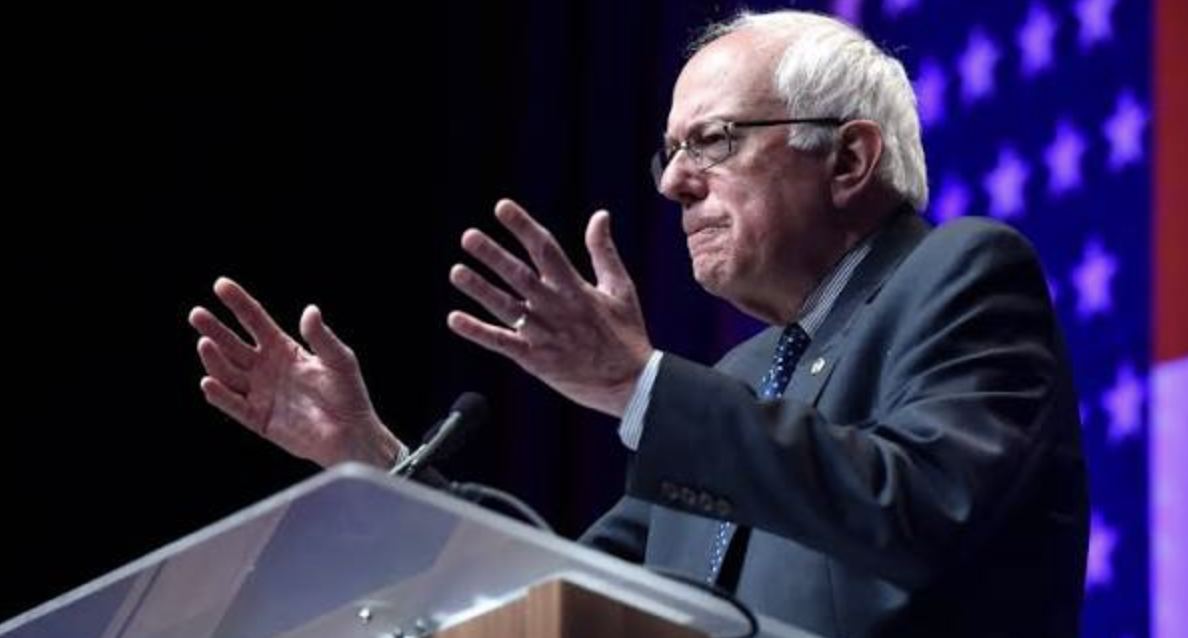
Following Australia’s ban on social media for teenagers last December, Greece is banning social media for adolescents under 15 years old. Prime Minister Kyriakos Mitsotakis explains that he had spoken to numerous parents across the country before making this decision, believing that this initiative would work to protect young people and minimize the detrimental effects of social media. Greece’s parliament is set to legislate the ban in mid-2026, with the ban going into effect on January 1, 2027.
The ban aims to combat the negative consequences brought upon by the rising social media crisis, such as anxiety, sleep deprivation and addiction. Addressing Greece’s youth through a TikTok video, Mitsotakis emphasized: “Our intention is not to remove you from technology, which can be a source of inspiration, of knowledge, of creativity … [But the] science is clear: When a child spends hours in front of a screen[,] its mind gets no rest.” Since the EU believes that these international applications have not done enough to protect young users, social media platforms will now be required to restrict teenagers from accessing the platform or face fines as described in the EU Digital Services Act (DSA). The ban will extend primarily to platforms such as Facebook, TikTok, YouTube, Snapchat and Instagram. The Greek government has already outlawed the usage of mobile phones in schools and has set up parental control platforms to limit teenagers’ screen time.
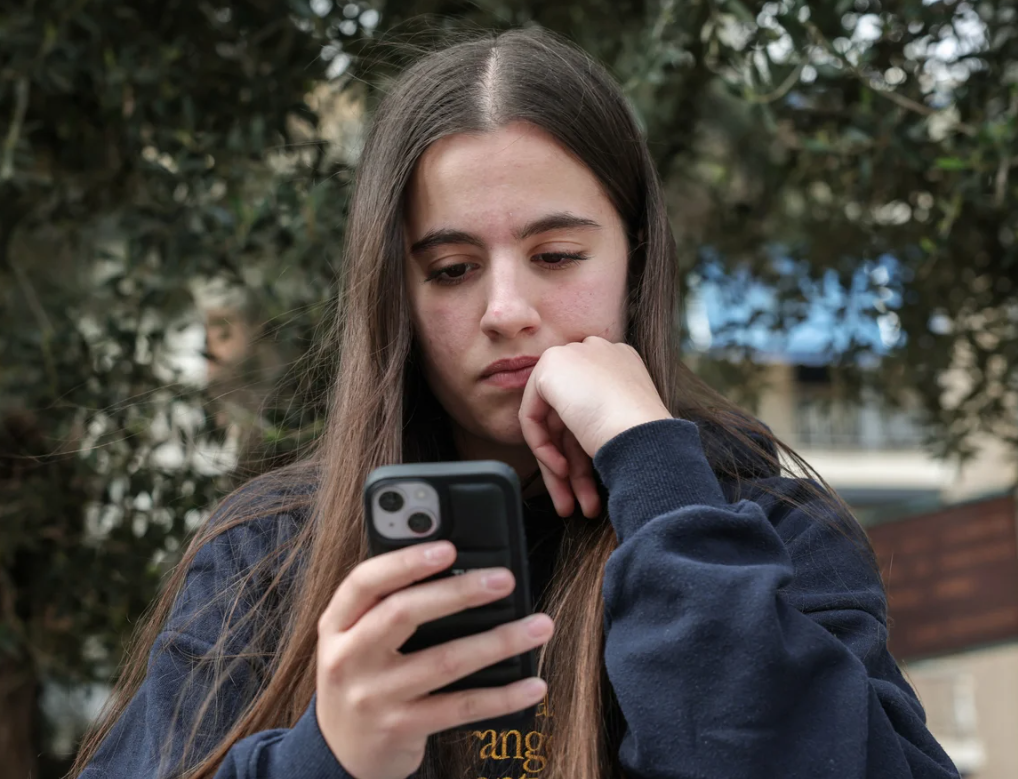
Public reaction to the announcement of this ban has been largely mixed, acutely split among groups categorized by demographic and profession. An opinion poll published in February showed about 80% of those surveyed approved of a ban. Support among younger parents was especially high, with roughly 75 percent of parents under 40 supporting the ban initiative. Greece’s teachers have also applauded the ban, having seen firsthand how sleep-deprived students have become in their classrooms. Dimitris Paniyiotoupolous, a retired primary school teacher, told the Guardian, “After 40 years of teaching I can honestly say that screens have destroyed children.” Even across dozens of European countries, majorities of up to 79% of surveyed citizens have also supported a social media ban, even though people disagree over how effective such measures can be. Some critics, however, warned that bans might not be that useful, arguing that restrictions may only push young children further into the darker parts of the internet. Prime Minister Mitsotakis has empathized with the minors affected by the ban after talking with them about the pressures of being socially plugged in all the time. However, he has also emphasized the role of parents in supporting their children, reiterating that the law is not a substitute for their continued effort.
Greece has additionally called upon other EU nations to embrace this social media ban, arguing that Greek efforts would be insufficient in preventing social media addiction. In a letter to EU Commission President Ursula von Der Leyen, Mitsotakis called for coordinated EU action that establishes a bloc-wide restriction of social media for kids under fifteen years of age, alongside mandating age-verification mechanisms that align with a harmonized implementation framework with regularized penalties. Following the actions of Australia and Greece, other countries, including France, Germany and Denmark, are also considering or working on implementing similar measures. One pressing problem facing an EU-wide ban involves the lack of an EU legislative framework designed for this purpose.
Greece’s move against social media access represents a major milestone for proponents advocating for stricter limits on social media for children. While public reactions against the ban have been significantly divided, both parents and children alike, more nations are on the path towards adopting similar measures. Only time can say whether this bold step will forever reshape the future of how young people grow up in an increasingly digital world.
Read more here: