
Harry Reitman — May 5, 2026
Japan scrapped decades of pacifist restrictions on April 21, allowing it to export lethal weapons for the first time since World War II. Prime Minister Sanae Takaichi’s Cabinet approved new guidelines that scrap the five-category restriction limiting exports to rescue, transport, warning, surveillance and minesweeping equipment. Now, Japan can export fighter jets, missiles and destroyers. The Philippines jumped at the chance. Just two weeks later, Tokyo and Manila agreed to fast-track talks on transferring used warships.
Japan’s postwar constitution severely limited arms exports. The “Three Principles on Transfer of Defense Equipment and Technology” restricted sales to non-lethal equipment only. Things started shifting in 2014 when Japan relaxed some restrictions, and then in 2023 approved re-exporting Patriot missiles to the U.S. That was the first export of finished lethal weapons since World War II. But April’s revision went further. It removed the category system entirely and let officials assess each sale case-by-case.
Manila welcomed the change immediately. Philippine Defense Secretary Gilberto Teodoro said in a statement that the move gives his country access to defense “articles of the highest quality” that would “strengthen domestic resilience” and “contribute to regional stability through deterrence.” On May 5, Japanese Defense Minister Koizumi Shinjiro and Teodoro met in Manila and agreed to establish a bilateral working group on transferring Japanese Maritime Self-Defense Force equipment, including destroyer escorts and aircraft. The target: Abukuma-class destroyer escorts.
Japan built these warships between 1989 and 1993. Length: 109 meters. Purpose: anti-submarine warfare, patrol, coastal defense. Crew size: around 120. Weapons: torpedoes, anti-ship missiles, 76mm guns and Phalanx systems. Japan is phasing these ships out for newer Mogami-class frigates. The Philippine Navy sent inspectors in August. They want three of the six available ships.
China’s navy has over 400 vessels—aircraft carriers, destroyers and submarines. The Philippine Navy operates a few frigates and one corvette that works. Used Japanese vessels let Manila close the gap quickly without breaking the bank. The Philippines tried modernizing through “Horizon” phases. Progress has been spotty. Second-hand platforms plug critical holes while Manila expands its fleet.
Japan gets something too. Defense exports could strengthen its industrial base through higher production and lower costs per unit. Japan’s defense industry has been stuck for decades. It could only sell to Japan’s Self-Defense Force. Dozens of contractors quit. The Takaichi government made the defense industry one of 17 strategic growth areas. Countries from Poland to the Philippines are looking at procurement options. Japan locked in a $6.5 billion frigate deal with Australia in April.
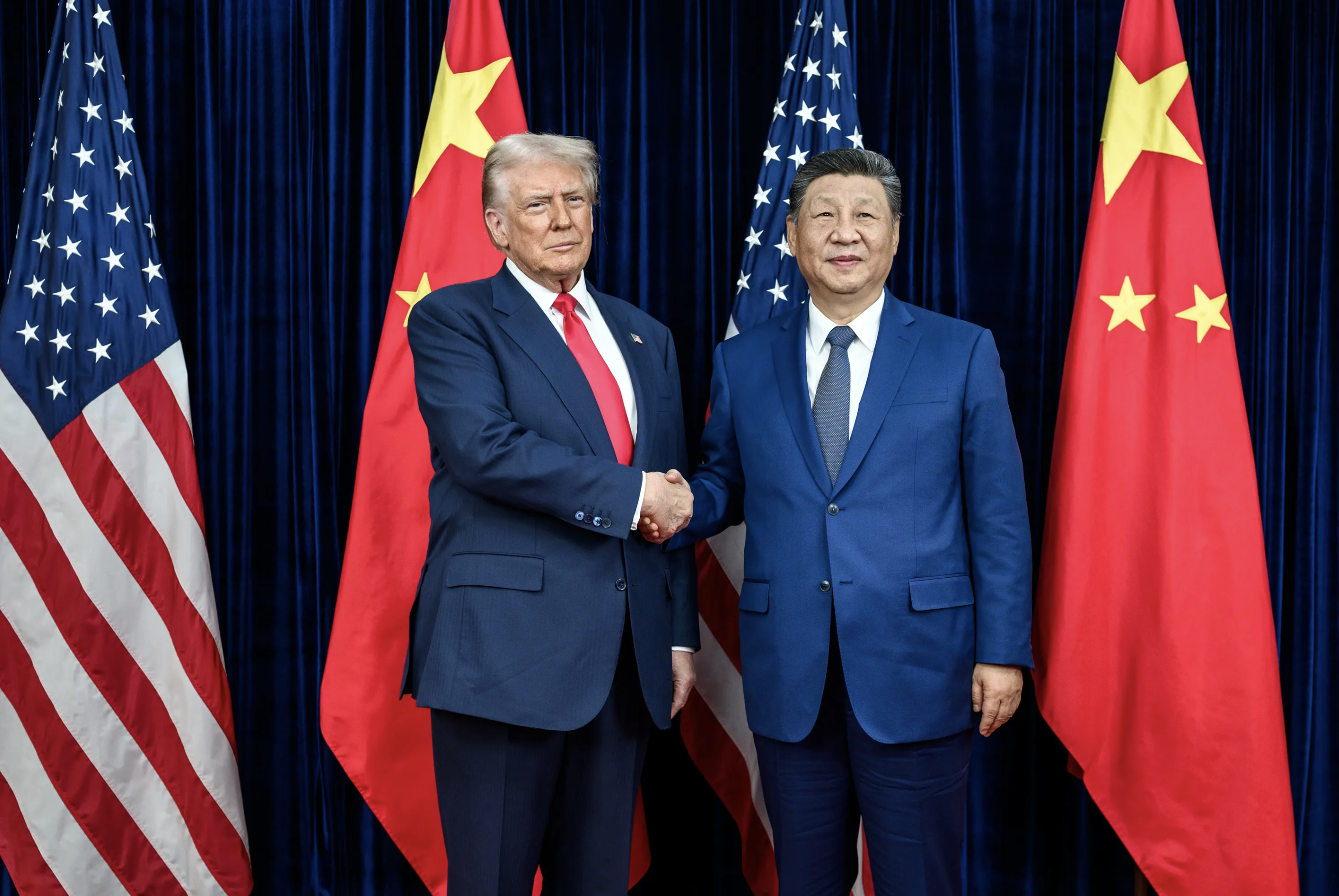
Yet, not everyone’s happy. Protests broke out across Japan after the policy shift was announced. Protesters mobbed parliament to oppose what they called a betrayal of Japan’s pacifist constitution and Article 9. China wasn’t subtle either. Chinese Foreign Ministry spokesperson Guo Jiakun said the international community, including China, will “resolutely resist Japan’s reckless moves toward a new type of militarism.” Beijing called the destroyer transfer plan “military collusion” that serves the U.S. attempt to contain China.
This isn’t just the beginning. Japan is working with Britain and Italy on a next-gen fighter jet, deployment target mid-2030s. New export rules mean these collaborative projects can get sold elsewhere. Japan bumped defense spending to 2% of GDP. Takaichi’s government looks ready to go higher. Tokyo has abandoned its old pacifist position. China’s navy expands. U.S. security guarantees under Trump seem shakier. Japan has concluded that arming partners and forming alliances work better than staying neutral.
Read more here:
Extemp Analysis:
Will Japan’s New Arms Export Rules Decrease or Increase Tensions in the South China Sea?
This question is pretty one-sided, proliferation almost always increases tensions because it shows there’s a need to proliferate. I would answer that this will increase tensions, because it escalates current conflicts, then I would make each point a way this escalates a current issue in the South China Sea. For example, you could have a point about how this will increase tension because it allows some of Southeast Asia’s largest countries to push back against China militarily. For the substructure, my A would be an existing conflict or aspect of a conflict in the South China Sea, my B would be how the new arms export rules worsen that conflict, and my C would be a specific impact of tensions rising.