
Aditya Doizhode — September 15, 2026
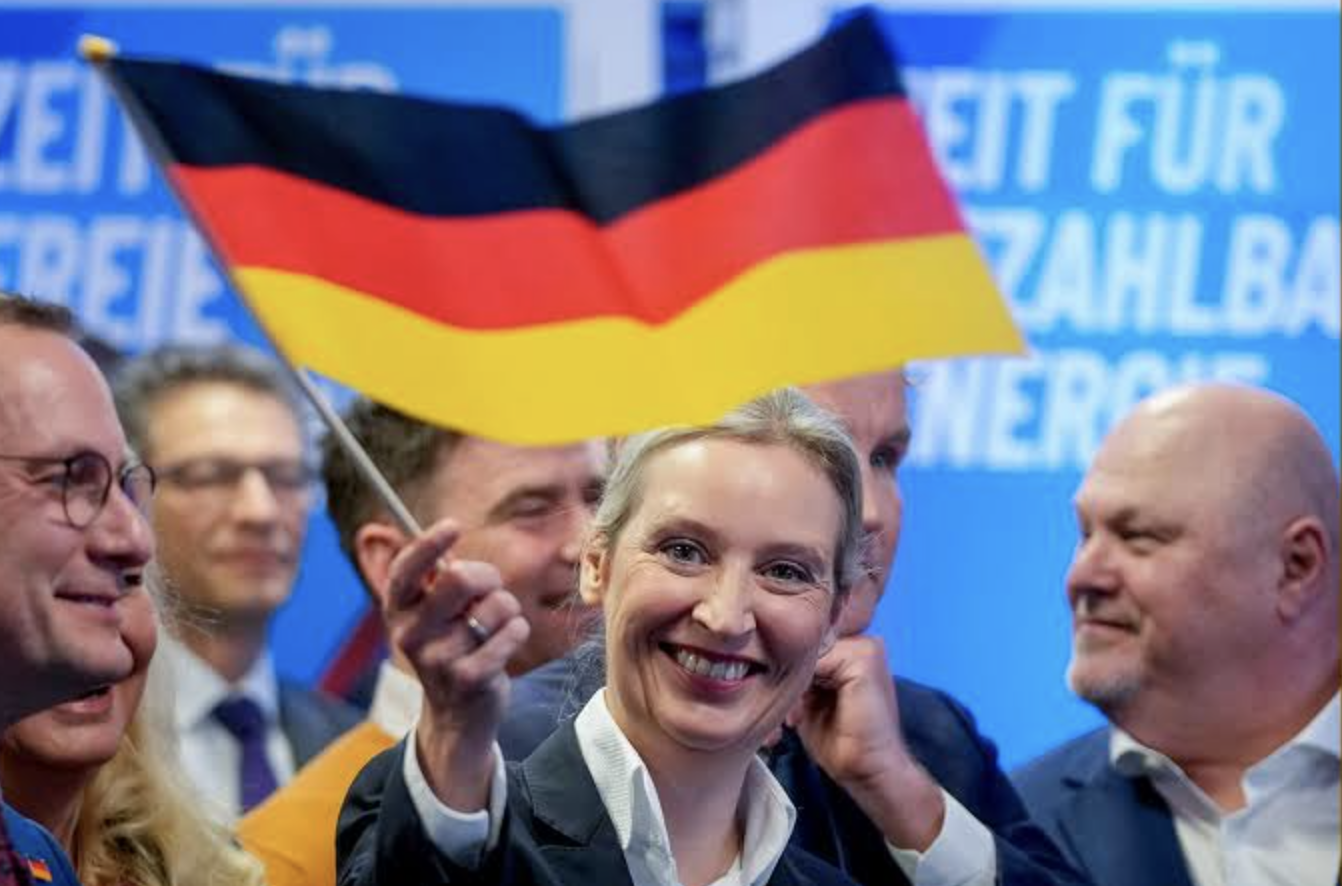
On September 7th, 2026, Germany’s far right party, AfD (Alternative für Deutschland), won a parliamentary election in the eastern Saxony-Anhalt state. This encapsulates a dramatic moment for Germany, as the election results gave the AfD 39 seats out of the 83 total in the new state parliament. That leaves Ulrich Siegmund, the party’s top candidate in the state, just three seats below the 42 needed for an outright majority — the threshold required to form a government made up entirely of the AfD. The AfD, which has been classified by world organizations and internal opposition groups as a right-wing extremist party, dabbles in Nazi imagery and classifies Germans as either “biological” or “passport,” underlying a harsh characterization of immigrants. The AfD’s success marks the most prominent rise of this type of rhetoric in Germany since the 1940s.
While many European governments remain fearful of far-right extremism, the AfD has been able to thrive in spite of this. The party has gained support by blaming socialist and centre-wing factions for economic shortfalls and the failure of social services. This strategy has caused the party to take the lead in national polls against the SPD (a centre-left party), who were the former front runners for the Saxony-Anhalt state. The AfD now even polls second in the fairly liberal city of Berlin, demonstrating the reach of their popularity.
Such a powerful rise could suggest that right-wing sentiments will spread beyond Germany and impact the political spheres of other European countries. Indeed, the far-right surge across Europe has had an almost five-fold effect since the mid 1990s, with it rising the most over the past three years. Across Europe, many right-wing minority governments have formed in countries such as Sweden, Italy, and most recently the UK. With these far-right populist coalitions on the rise, a survey conducted by more than 150 political scientists across 31 countries found that the share of Europeans backing a far-right party in their country’s most recent national election climbed to over 23% in 2026, up from roughly 10% a decade earlier and about 5% in 1995. Whether or not this effect will continue to grow remains to be seen, but the success of the AfD in Germany certainly seems to suggest that right-wing governance is on the rise.
Read More Here: