
Jai Shenoy — September 15, 2026
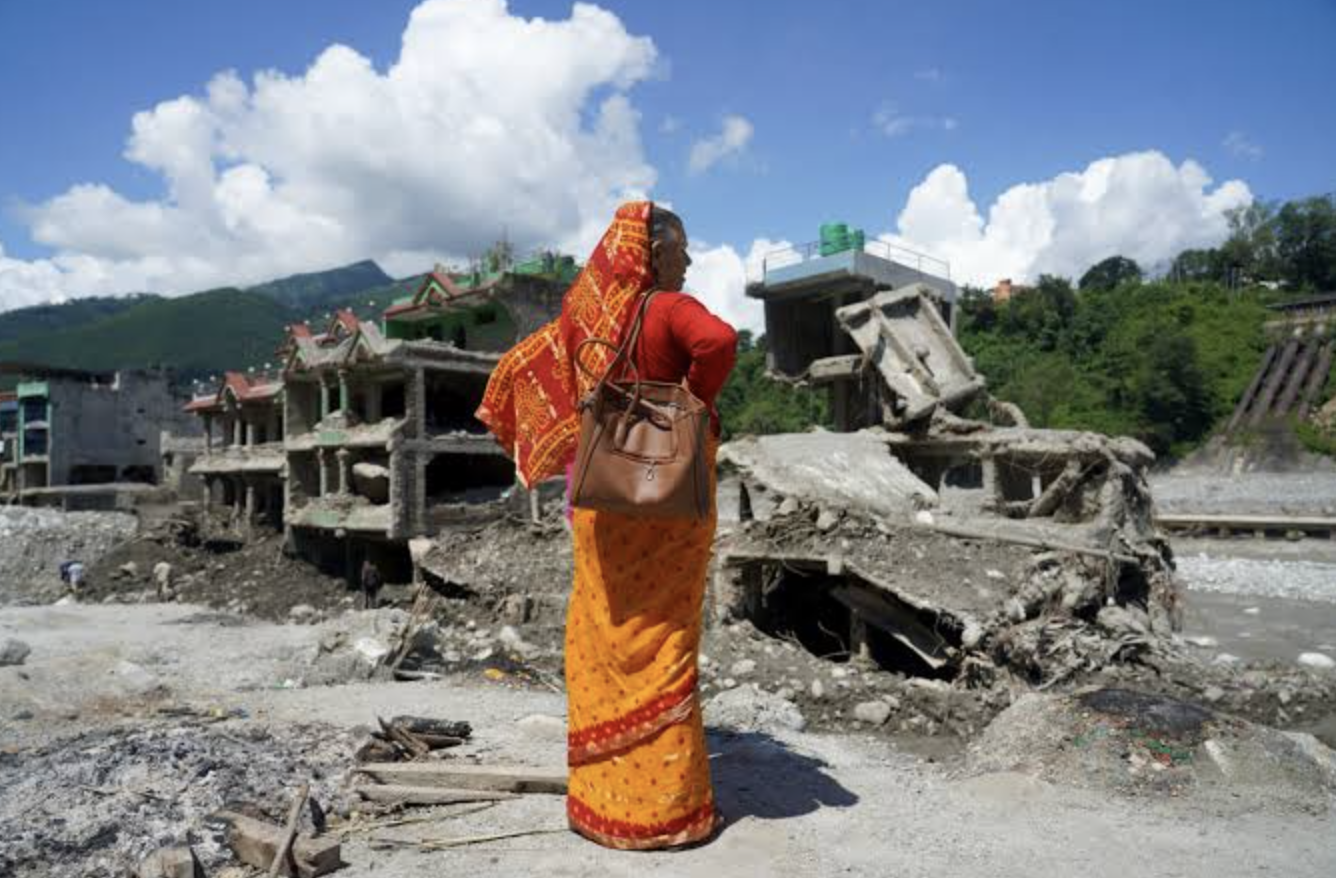
Following the devastating flash floods along the Nepal-China border, multiple countries have attempted to pave the way for future stability, with China leading the effort. Indeed, China completed repairs on the G216 national highway on September 2, 2026, reconnecting the flood-damaged Gyirong Port area on the border to ground transportation. The road was destroyed just one week earlier, on August 26, when a large glacier collapse created severe flooding and mudslides. This event wiped out the main Chinese customs and inspection facility and cut off emergency responders working in the immediate area, forcing them to rely on air-dropped provisions in the interim.
The highway, now passable, has created a pathway for materials and resources to come through. The path has now had roughly 300 units of heavy equipment, such as excavators and dump trucks, move into the disaster-ridden area, clearing thick mud and huge rocks. Machinery has since arrived, along with additional gear to support ongoing search and recovery work.
Search teams using detection equipment are still combing river banks and ravines. Over 540 people remain missing on the Tibetan side alone, including 261 foreigners, with China deploying mobile labs and forensic teams for DNA testing and identification. According to Nepal officials, the total missing count was 4,216 people. Because this was an extremely popular region for international tourists, families worldwide continue to await word on relatives and survivors.
Nepal initially turned down foreign rescue assistance, with its Foreign Ministry stating domestic security agencies had the search underway, and outside help wasn’t needed “for now.” Those turned down included China, India, the US, Britain, Japan, South Korea, Sri Lanka, and Bangladesh.
However, as the situation worsened, the government’s stance shifted within a single day, with Nepal accepting help in areas beyond its own capabilities, such as tunnel rescues and DNA and forensic examination. The nation also requested Bailey bridges from China and India to replace dozens of bridges lost to flooding. China has since sent emergency supplies, shared satellite and hydrological data, assisted with DNA identification, and much more.
After an intense few days, about 700 emergency workers were able to successfully restore power and telecom service to the affected part of the Tibet Autonomous Region, and most evacuated residents have started returning home. However, officials have deemed the border crossing to be prohibited for the general public, with the US Embassy in Nepal stating that the area remains largely limited to rescue and emergency personnel.
Persistent rain and difficult terrain continue to slow the recovery efforts, with many crews working in a narrow mountain gorge squeezed between unstable cliffs and a fast-flowing river. Thick mud coverage and ongoing risk of further flooding has also hampered recovery efforts. Organizations monitoring upstream lakes that could burst and cause additional flooding say that danger has eased somewhat, though landslides remain a persistent threat.
Ultimately, the disaster has left China, Nepal, and other countries struggling to rebuild the damaged communities and infrastructure, while also battling against the persistent risk of another catastrophe, an event that seems to be inevitable given the unstable nature of the area.
Read more here: