Sophie Qin — September 29, 2026
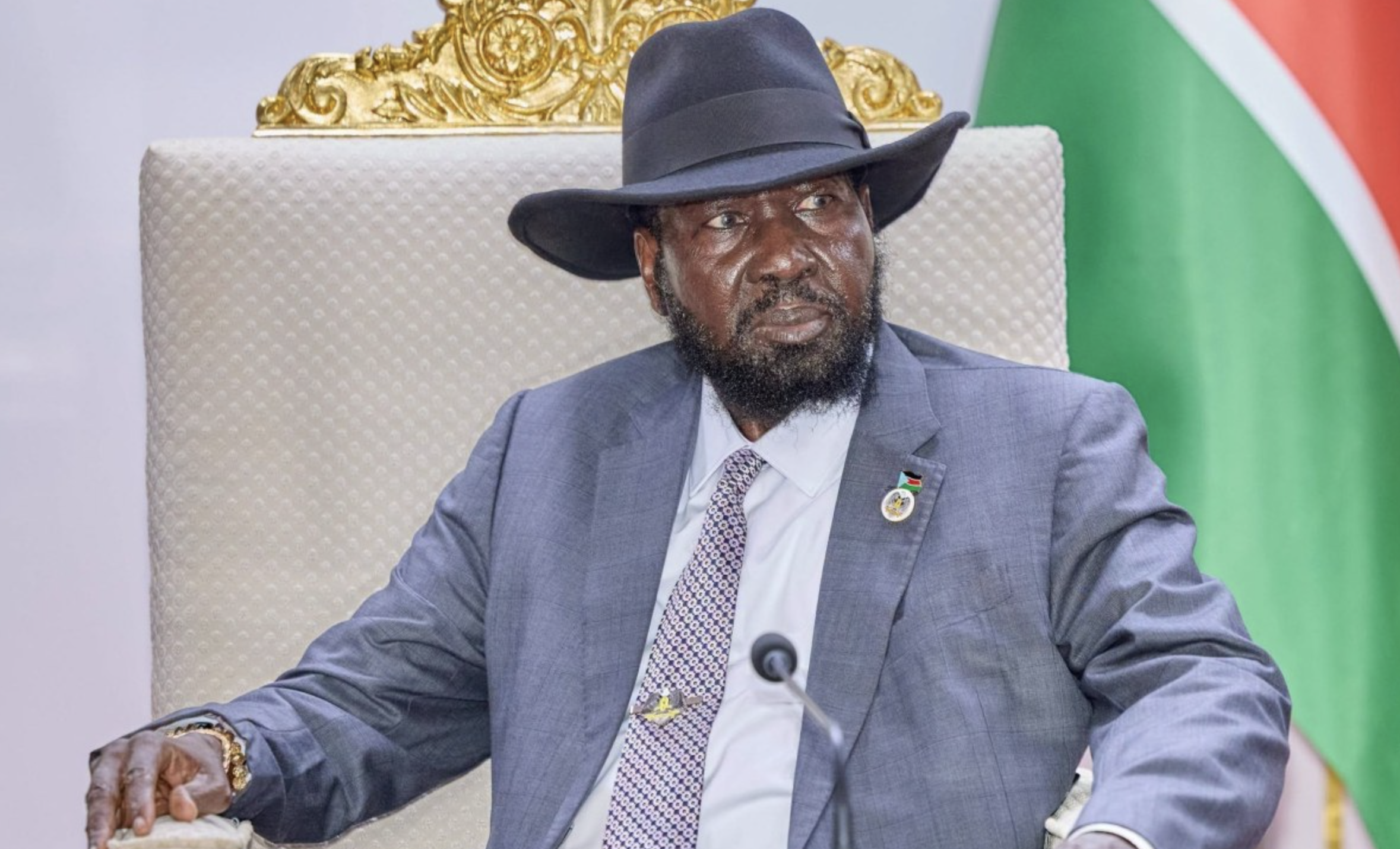
Salva Kiir, the South Sudanese president, has signed a law dissolving the country’s transitional parliaments and state governments. The National Legislative Assembly’s number of seats has been cut from 650 to 270, while the state parliaments have gone from 100 to 58. Both assemblies have lost almost all of their power to President Kiir, who claims that this change is necessary for the election system. This comes after the South Sudanese parliament passed amendments to the National Elections Act, which removed all 5 of the country’s vice presidents.
The country’s transitional process was formed in a 2018 peace deal after a civil war that killed over 400,000. However, this transitional government never accomplished many of its main goals, like conducting elections or composing a permanent constitution. This dissolution of the transitional government comes soon before South Sudan’s first elections in December, which are expected to be the first in its independent history. Currently, there are no notable challengers to President Kiir in the upcoming election.
However, experts fear that President Kiir’s decision to remove the government will compromise the freedom and integrity of the upcoming elections. One former constitutional drafter claims that these changes will give Kiir sole control over the entire country, which raises questions about issues surrounding the president’s increasingly concerning consolidation of power. These concerns were corroborated further by the president’s decision to fire the head of the National Elections Commission, Abednego Akok Kacuol, last week. The president has yet to announce why the commission’s chairperson was removed.
Additionally, South Sudan’s main opposition party, the Sudan People’s Liberation Movement in Opposition (SPLM-IO), has sounded the alarm on the elections. It claims that the country is in a “constitutional and legitimacy crisis” and is refusing to take part in the December elections. This follows the highly contested arrest of main opposition leader Riek Machar for treason and murder. He was appointed as part of the peace agreement that established the transitional government, and is currently under house arrest.
South Sudan has been striving for democracy since its independence in 2011. Even so, President Kiir’s recent decisions have begun to hint at an increased attack on democratic institutions still in their infancy. The legitimacy of December’s elections now hangs in the balance.
Read more here:
- Nichola Mandil, Akisa Wandera, and Allan Olingo, BBC
- Vincent Mumo Nzilani, Reuters
- Staff, Al Jazeera
- Deng Machol and Joseph Falzetta, AP News
- Deng Machol, ABC News
Extemp Analysis by: Ian Cheng
Question: What will be the effect of Salva Kalir’s dissolution of South Sudan’s parliament?
AGD: I would give either a historical AGD about South Sudan getting independence or talk about the severity of the political situation in the African nation.
Background: Clearly state who Salva Kalir is and portray South Sudan’s democracy as relatively new and unstable. Mention that the dissolution happened because that would put this question in the pool. For significance statement, anything in the realm of preserving democracy, people’s voices being heard, etc. works
Answer: Compromising South Sudan’s democracy
- Decreased political competition
- Increased presidential power
- Legislative instability
This brief shows and discusses the many different effects of President Kalir’s sweeping decision effectively. These three points cover the main ones. Be sure to use a) Status Quo b) Change c) Impact substructure. Hope this helps for Yale and other tourneys!