Armaan Zaidi — October 6, 2026
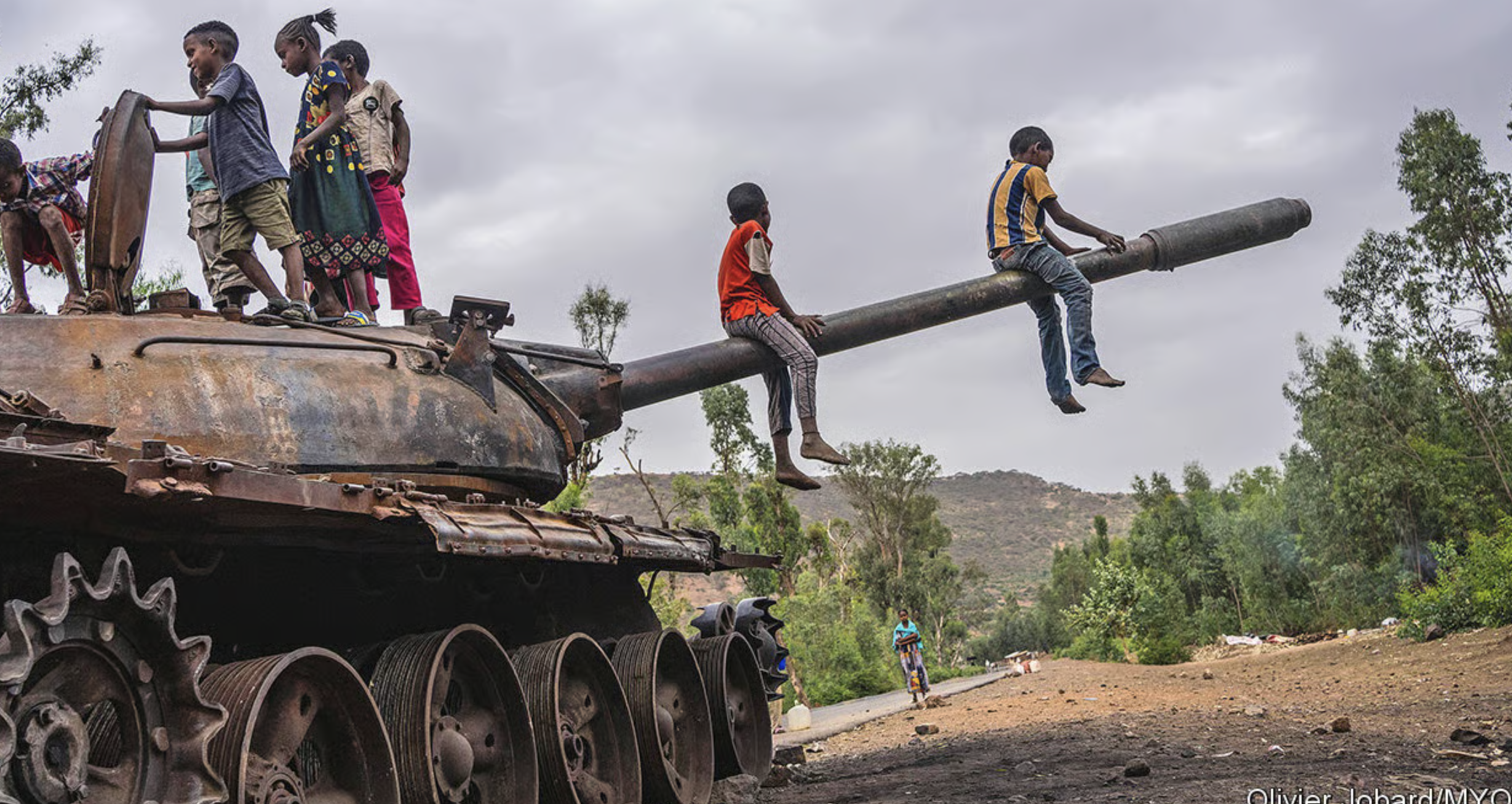
In 2022, the Ethiopian Pretoria Agreement ended one of the deadliest wars of the twenty-first century. The Tigray War occurred from 2020 to 2022 between Ethiopia’s federal government and the Tigray People’s Liberation Front, a pivotal military and political movement rooted in the northern Tigray region of Ethiopia. Before the peace deal was reached, 600,000 lives were lost and millions were displaced. Peace lasted until September 23, when TPLF fighters stormed three Tingrayan national airports.
The region has been plunged back into war and has expanded past Tigray. TPLF forces have launched coordinated attacks into the nearby regions of Afar and Amhara, opening entirely new fronts for a larger war effort. The TPLF, along with six other armed opposition groups consisting of Amhara’s Fano movement and Oromia’s Oromo Liberation army, created the Alliance for Survival just days before the conflict began, declaring their goal to overthrow Prime Minister Abiy Ahmed’s government.
The Ethiopian military, along with allied forces, recaptured the primary airport in Mekelle just a few days ago. The national military has begun their journey into the city to quell the conflict. Even places previously considered safe and secure, like Oramia and Amhara far from Tigray itself have been home to intense fighting between the two sides.
The conflict is also becoming a cross-national issue, bringing in Ethiopia’s neighbors. Eritrea has been under Ethiopian scrutiny for arming and backing the TPLF rebels, prompting Ethiopia’s government to severe diplomatic relations with Eritrea on October 1. Eritrea’s involvement in Ethiopia is not something new; Eritrean troops originally fought on the government’s side during the original Tigray War. Yet, their support was met with accused human right violations, including systemic sexual assault and massacres against the Tigrayan people. Eritrea’s entrance could both benefit the war effort while simultaneously risking human rights violations as they did in the past.
Analysts also warn the fighting in Western Tigray has the possibility of merging with the unrelated but geographically close civil war in Sudan. Ethiopia has been accused of granting land access to Sudanese paramilitary fighters to train. If this happens, two entirely separate African wars could become one and entirely destabilize a region home to millions, while simultaneously disrupting critical shipping lanes near the Red Sea.
Unfortunately, the reasons for the unrest are far from resolved. The Ethiopian government dropped the TPLF from legal elections and revoked the party’s legal registration after the Pretoria Agreement, essentially deepening the distrust that ultimately broke the truce years after. A peace deal that was once believed to have ended one of Africa’s deadliest wars seems to have just delayed it. Now, the millions of civilians in Tigray, Amhara, and Afar are the ones who face the effects once more.
Read more here: