
24 March 2026 General Brief
In domestic news, read about the partial government shutdown that began in February of this year, an analysis on mixed messages from Trump, the Commander in Chief, regarding the recent Iran conflict, and a federal judge’s ruling over RFK Jr.’s transgender care policies. In international news, see briefs on Cuba’s energy crisis and total electrical grid collapse, why NATO is pulling out troops while allies resist an escalation to the war in Iran, an overview of the most serious envrionmental consequences of the Iranian conflict, and a look into the deadly strikes in Sudan and why the conflict continues to devastate the country.
-

Sudan: Turning Cities into Casualties
A power struggle between the military and the rival paramilitary Rapid Support Forces exploded into war throughout the country. No end is in sight to bring a stop to the fighting, now one of the deadliest conflicts in Africa.
-
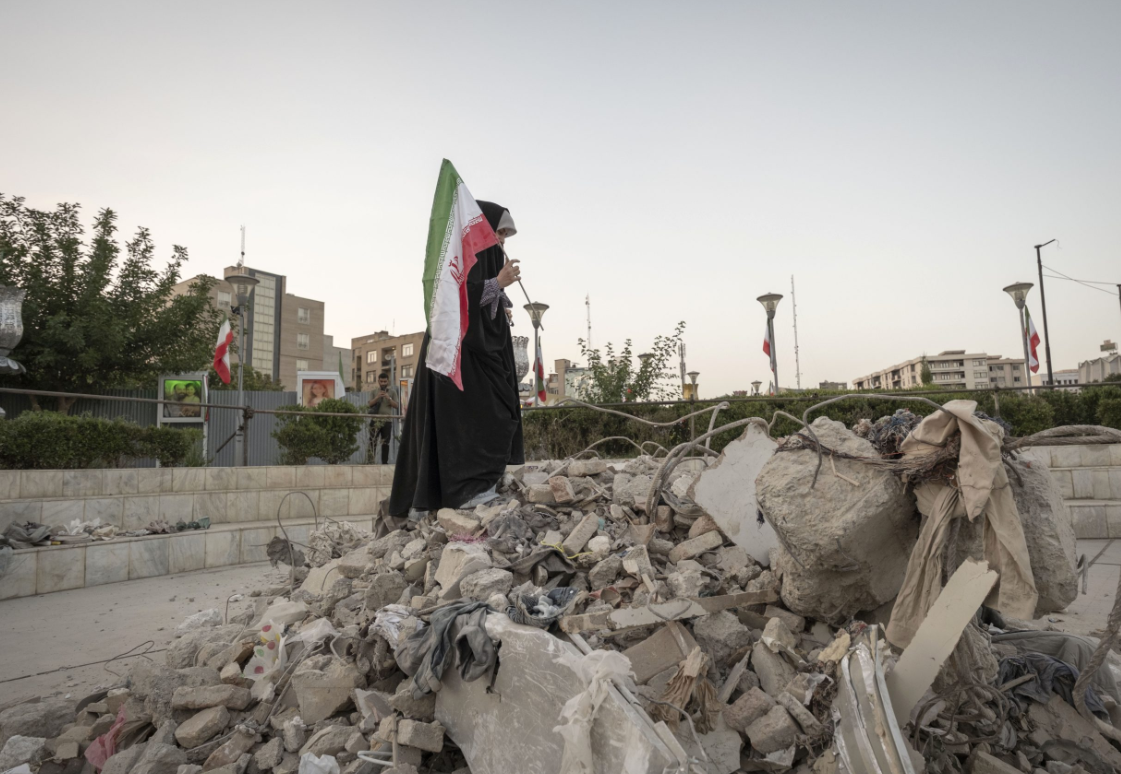
Tracking the Environmental Consequences of the War in Iran
The U.S. and Israel’s actions in Iran in the past two weeks have released five million tonnes of greenhouse gas emissions into the atmosphere. The war is actively draining the global carbon budget faster than 84 countries combined.
-

NATO Pulls Troops as Allies Resist Iran War Escalation
NATO has historically operated on collective defense principles, but the current conflict falls outside a direct attack on member states, giving countries more caution over their involvement. As a result, divisions are becoming more visible.
-

Cuba’s Energy Crisis Continues
The Cuban government has attributed the collapse to the US-imposed oil blockade, which has effectively halted energy imports to the country. As of now, Cuba can only domestically produce 40% of the country’s pre-blockade energy demand.
-
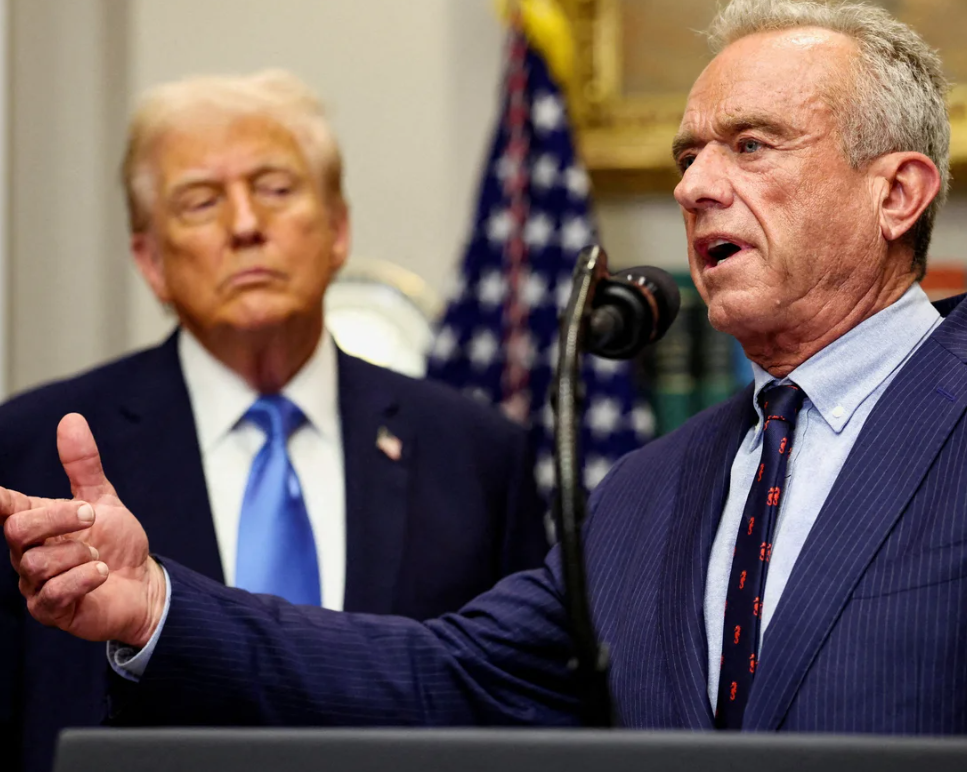
Federal Judge Rules RFK Jr. Overstepped on Trans Care
On December 18, Secretary Kennedy released a 12-page document declaring that transition related healthcare for trans youth “fail[s] to meet professional recognized standards of health care.” The document notes increasing rates of minors seeking medical care for gender dysphoria.
-
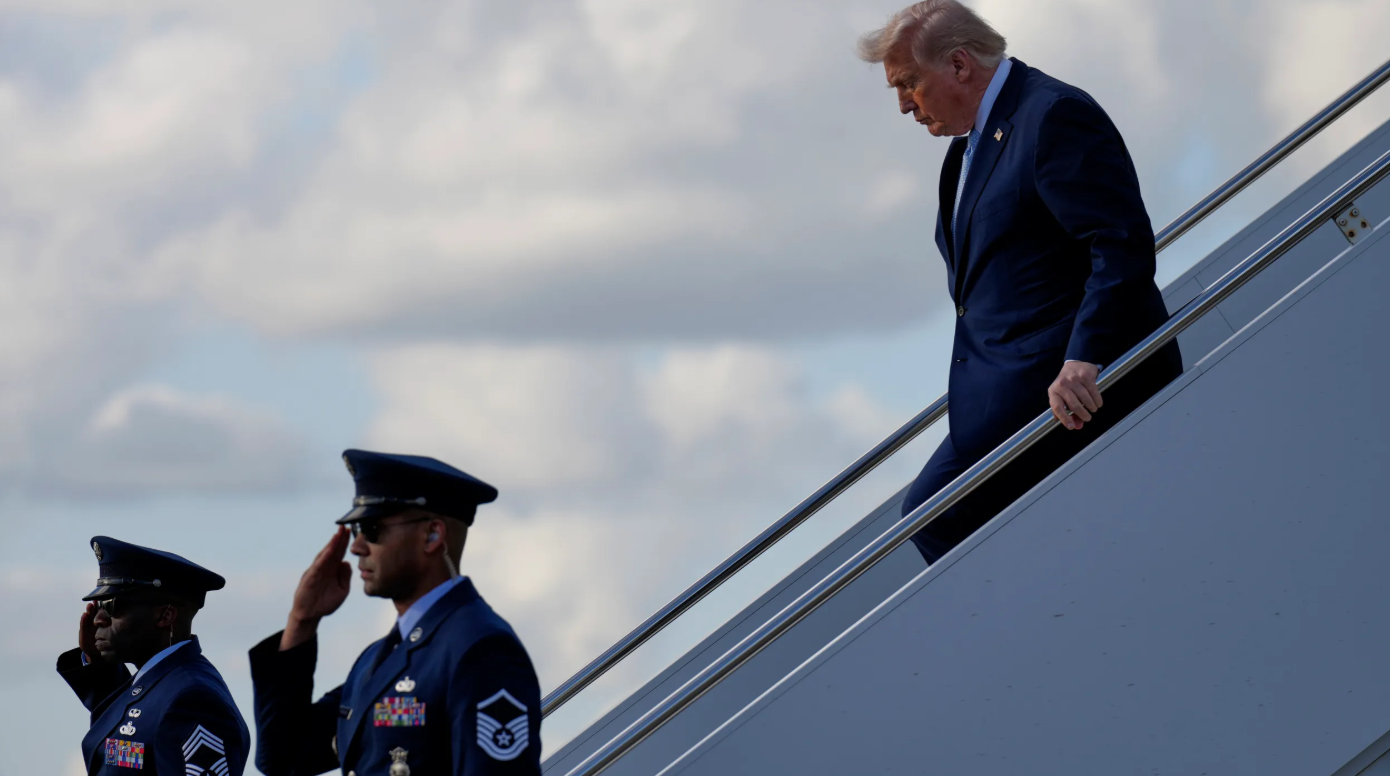
Mixed Messages from the Commander in Chief
The war in Iran has drawn a controversial reception across the United States. As the Commander in Chief, President Trump holds the power to prolong his assault on Iran, or exit with expediency.
-
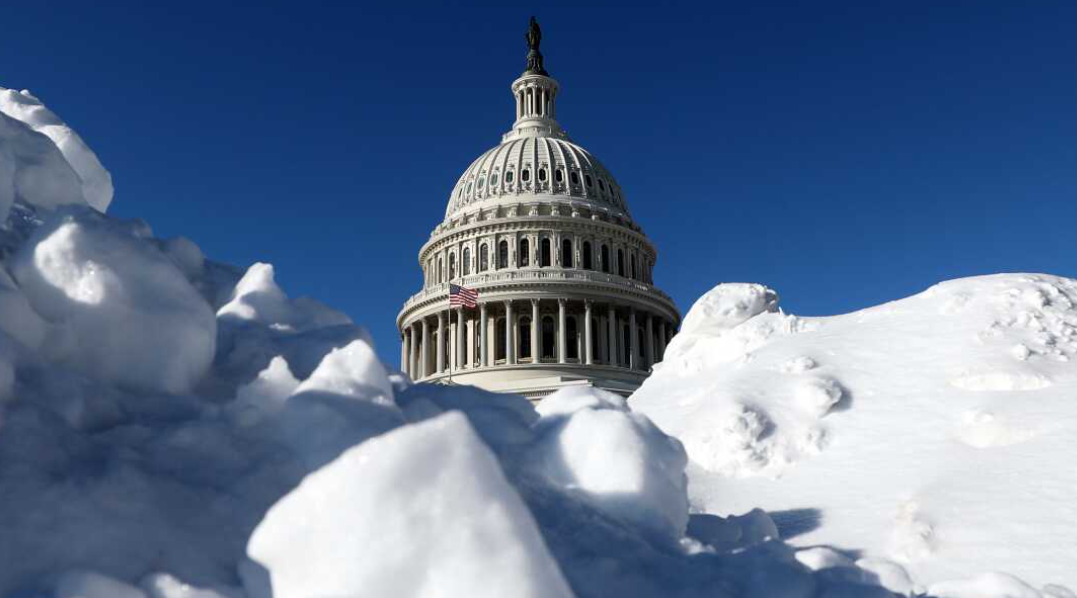
The Partial Government Shutdown
The Republicans are fighting for fewer restrictions on deportation and full funding. In contrast, Democrats seek stronger limitations on U.S. Immigration and Customs Enforcement (ICE) to protect immigrant communities.