Vivaan Gupta — March 31, 2026
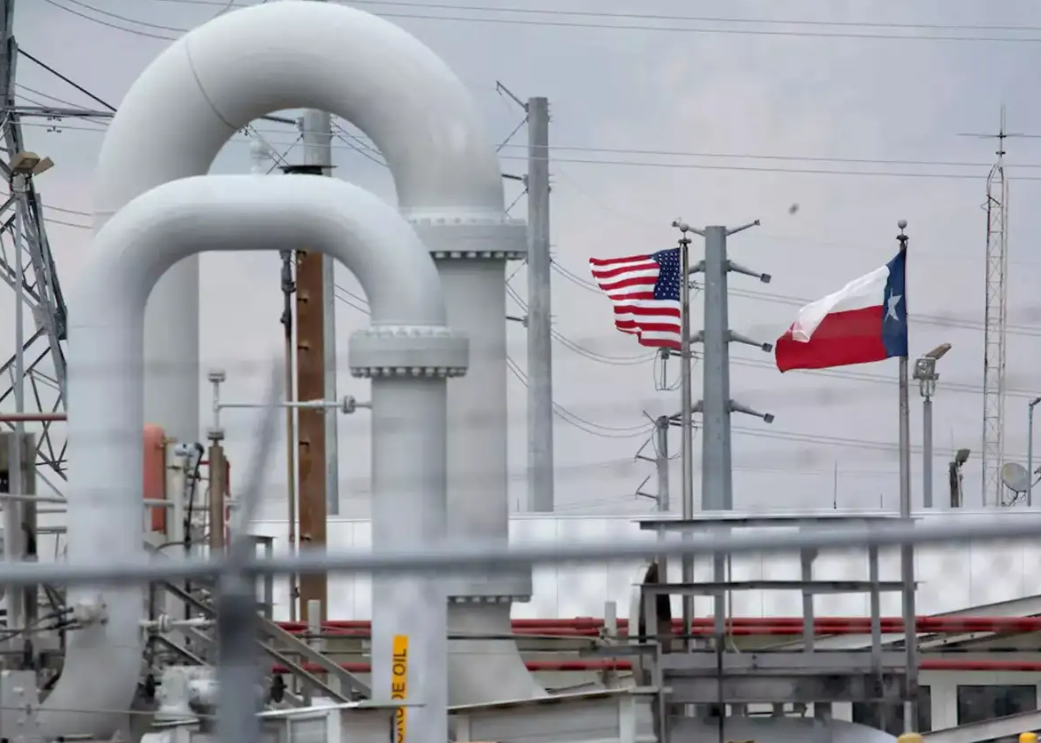
The United States has announced its intention to relax sanctions on oil exports from Iran, which represents a major policy shift in its stance towards Iran. This comes while talks regarding Iran’s nuclear program grow and increasing pressure from its international partners continues. This growing pressure is in an effort to stabilize oil supplies at a time when oil prices are volatile due to conflict in oil-exporting countries, and reductions in oil supplies from major producers grow larger.
As the State Department reports, this change would allow limited, monitored Iranian oil sales to be sold as a means to encourage Iran to comply with international nuclear agreements. The sanctions on Iran’s energy sector have been one of the key steps taken by Washington as a means to pressure Tehran, which has limited the country’s ability to sell oil on international markets, thereby reducing the government’s revenues. However, this has reduced oil availability on the market, especially because of the conflicts in the Middle East and Eastern Europe.
Iran has claimed that these sanctions are having an impact on its economy. They have demanded that these sanctions be lifted as a prerequisite to any deal. The Iranian government has hailed this move and stated that any lifting of these sanctions needs to be substantial and permanent in nature. Experts have also stated that any lifting of these sanctions would allow Iran to export goods at a rapid pace due to their reserves.
The decision has created debate in Washington, as well as with the country’s most important allies. The advocates of this decision have argued that it may help to reduce tensions with Iran, lower oil prices worldwide and facilitate efforts to prevent nuclear war. The European countries have supported this decision by arguing that it may help to stabilize oil prices, which have risen over the past few months due to conflicts in the region.
The critics have argued that this will provide Iran with access to more funds that will be used for the support of military operations. Some of the lawmakers have argued that this will provide Iran with more freedom to engage in military activities without being committed to nuclear compliance. Israel and some of the Gulf countries have expressed their worry that this will provide Iran with an advantage at a precarious time.
According to energy analysts, the impacts of this policy measure will be felt sooner if it is implemented. The country has the potential to increase its export levels by hundreds of thousands of barrels per day, which will help solve the supply problems, but also create tensions among other OPEC countries, whose production levels are being monitored. The policy measure is under review, but it has been said that the decision will be made depending on the progress of the diplomatic talks. The removal of sanctions on Iran’s oil, therefore, will be a reflection of the balance between security, economic and diplomatic considerations in one of the most unstable regions in the world.
Read more here: