Santiago Jimenez — April 21, 2026
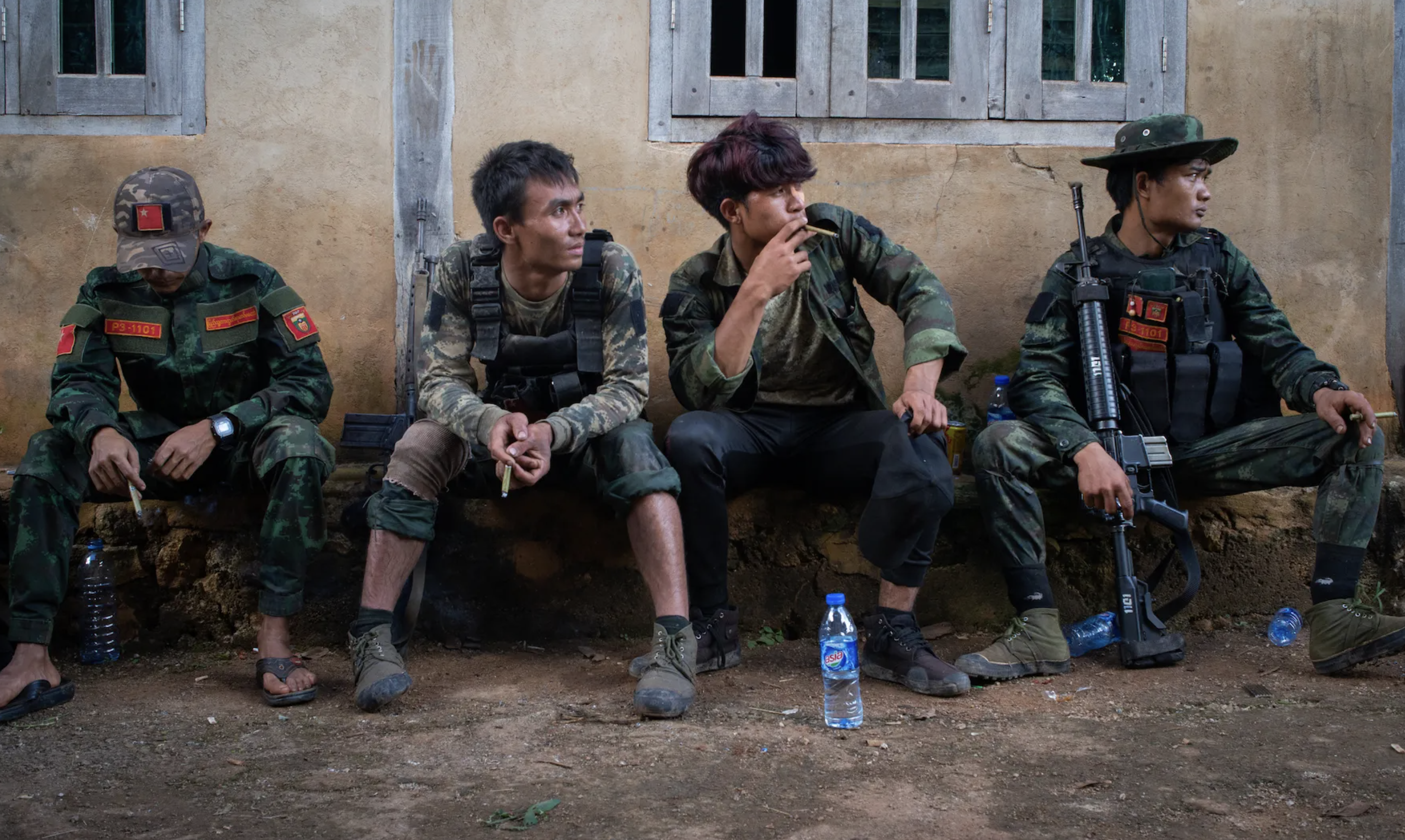
For a war that has now reaped the lives of up to two million, an end to the Russo-Ukrainian War is still far out of sight. However, as of the 20th of April, the European Union has approved a €90 billion loan for Ukraine, with the expressed goal of aiding them in their defense against Russian assault. The vote, however, was not unanimous, and the loan’s consequences are hard to determine with certainty.
Though most states present at the EU vote used their voices in support of Ukraine, Hungary stood as an outlier. They vetoed the bill as an act of defiance—seeking to ramp up the stakes and push the European Union to have Ukraine pump Russian oil to Hungary and Slovakia. Agreements were brought forward rapidly, and since, negotiations have been successful, with Hungary’s Russia-leaning Prime Minister Viktor Orbán losing in the April 20th parliamentary elections to challenger Péter Magyar, who has worked more willingly with the European Union to collaborate toward a mutual good.
Even with Magyar in office, concerns exist as to whether or not any real reform will occur in the wake of EU phase-outs, as Hungary is leaving opportunities at their disposal to continue collaborating with Russia for energy resources. This is explicitly against the European Union’s wishes, and is directly beneficial to Russia in its war against Ukraine, and their general economic positioning.
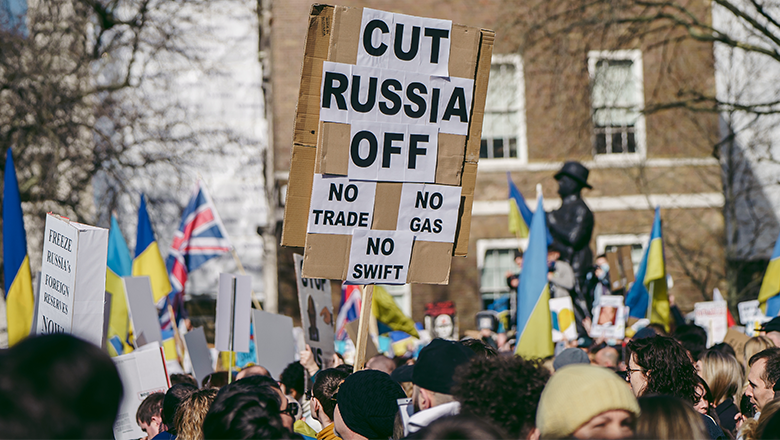
Beyond Hungary, concerns about economic policy as a means for combatting Russian aggression have been examined. For instance, some of the most aggressive sanctions levied in modern history should have led to a devastated Russian economy—instead, they have hurt Russia less than expected, as they switched to a wartime economy fueled by the production, distribution, and usage of weaponry for war. On net, Russia is down economically, though further Western aggression is a direct link to cementing wartime economic policy for Russia.
Simply put, in times of desperation, significant actions need to be, and have been, taken. However, policy decisions, like the EU’s economy shift away from Russia’s energy sector, may be more negatively consequential than beneficial, because of its already attained instability and the additional concerns over the feasibility of financial policy as a tool of war against Russia.
Read more here:
Seth G. Jones and Riley McCabe, Center for Strategic and International Studies
Gregorio Sorgi and Koen Verhelst, Politico
Arthur Sullivan, Deutsche Welle
Jon Henley, The Gaurdian
Marta Pacheco, EuroNews
Nicholas Fenton and Alexander Kolyandr, Center for Strategic and International Studies
Straight to your inbox.
Stay updated with our latest publications through our weekly newsletter—sign up here!