
Aditya Doizhode — April 21, 2026
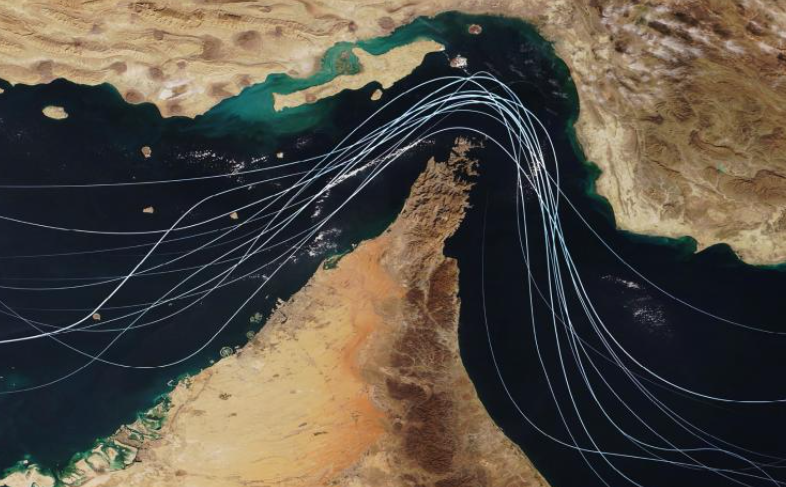
Amid ongoing tensions between Iran and the United States, Iran announced the reopening of the Strait of Hormuz to commercial vessels on April 17, declaring it “completely open” for shipping traffic following a U.S.-brokered ceasefire related to broader regional conflicts.
This narrow waterway, the chokepoint of about one-fifth of the world’s oil supply, had been effectively closed or heavily restricted for weeks after Iran blocked it in response to U.S. military actions. President Trump initially welcomed the move to reopen the strait, stating it was “completely open and ready for business,” even though the U.S. maintained its blockade. However, the reopening proved short-lived, and within a day, Iran reversed course by reimposing restrictions and reportedly firing on ships, further eluding alleged U.S. violations and demanding the lifting of the siege on its ports.
As of April 19, the Strait remains closed due to the Iranian attacks on two Indian flagged ships, with many others turning back as they are at risk. As well as disrupting global shipping, other analysts warn that a full normalization of global oil supply chains could take months, even if the violence ends.
The closure of the strait highlights the fragility of de-escalation in the region and continued volatility in oil markets. As of now, global oil prices have fallen 11%, with crude oil prices falling to $83 a barrel from almost $95. Although there have been recent cost drops, the current market optimism has been seen as short-lived due to the volatile situation. Considering the U.S. fleet has to maintain a strong presence, and Iran remains ready to utilize its geographic advantage to threaten the oil routes, the road towards a sustainable peace is paved with numerous obstacles. Currently, as precedence reveals, diplomacy is unclear, energy is volatile and uncertainty is preserved.
Read more here:


