Rosa Qin — April 21, 2026
On April 15, 2023, Khartoum experienced a deadly wave of explosions and gun violence. Both militia forces, the government-backed Sudanese Armed Forces (SAF) and the Rapid Security Forces (RSF), blamed each other for the attacks, sparking today’s bloody civil war. Historically, Sudan has been a divided state ever since gaining independence in 1956, with the wealthier northern region comprised of primarily Arabs and Muslims, while the poorer south was made up of primarily Christians and animists. The RSF emerged from the Janjaweed militia as an unofficial military group predominantly made up of Arab fighters disenfranchised with the government. While the RSF and SAF worked together to oust dictator Omar al-Bashir in 2019, the established transnational government failed due to coups, civilian protests and pauses in international debt relief. The power struggle between the two groups is what ultimately continues to fuel the conflict today.
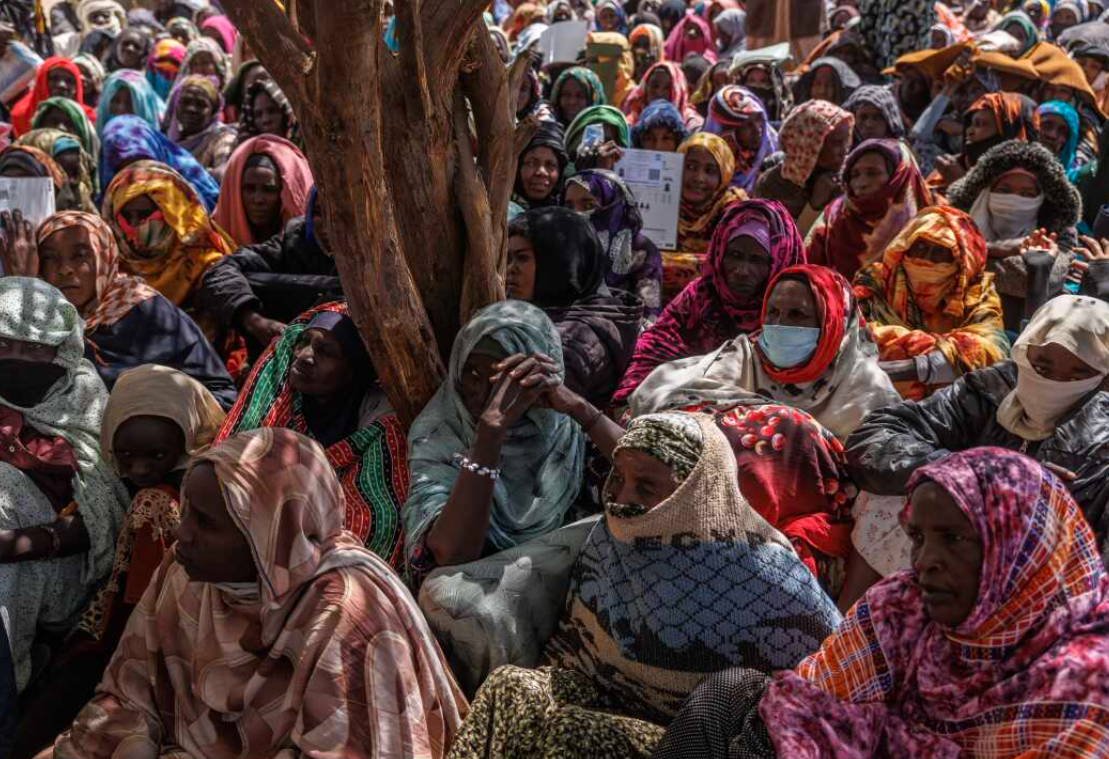
As of April 2026, the United Nations estimates that nearly 14 million civilians have been displaced, with 4.4 million being forced across borders. Further, agriculture has been destroyed, placing nearly 21 million civilians in food insecurity. Despite the enormous humanitarian casualties, the war is only expanding. The first three months of 2026 saw a rise in drone warfare and more civilians being killed in drone strikes than at any previous point.
Alongside the violence, the international response to the Sudanese Civil War has been complex. Nations such as the United Arab Emirates and Ethiopia have been credibly accused of providing military assistance to the RSF and intensifying the bloodshed. On the other hand, Egypt and Saudi Arabia have been accused of providing military aid for the SAF. Escalating conflict means violence is no longer confined to Sudan, as spillover into other nations such as Chad, the Central African Republic, Libya, and South Sudan has been cited.
Despite ongoing violence, some areas of Sudan still hold hope. Critical infrastructure in Khartoum, such as schools and hospitals, is being rebuilt. Moreover, recent UN conferences in Berlin have brought in over 60 delegates, with German Foreign Minister Johann Wadephul pledging 212 million euros in humanitarian aid. In total, nations have pledged over 1.5 USD in aid towards Sudan. Similarly, the European Commission has pledged over 215.5 million euros to Sudan and 145.3 million euros to neighboring nations. However, until action is taken, pledges remain just words. Resolving the Sudanese Civil War requires international cooperation, diplomacy, humanitarian aid and a cohesive strategy.
Read more here: