Krish Bhakta — May 26, 2026
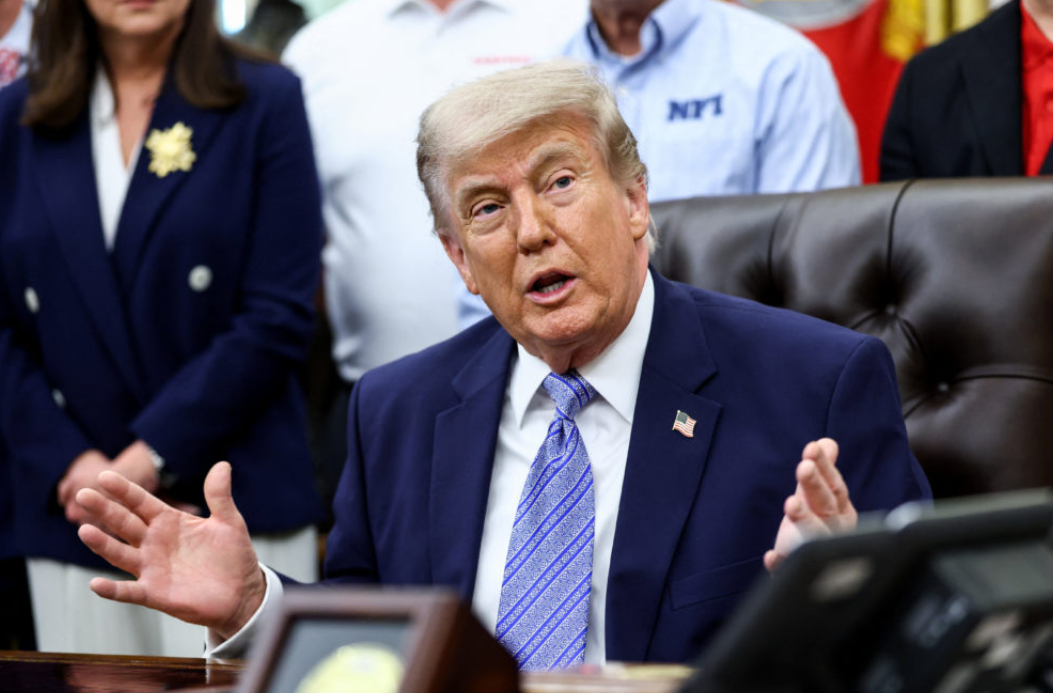
The Donald Trump administration’s Department of Justice announced the creation of a nearly $1.776 billion “Anti-Weaponization Fund” (often rounded to $1.8 billion). The fund is designed to compensate people who claim they were unfairly targeted, investigated, or prosecuted by the federal government for political reasons.
The fund came as part of a settlement tied to Trump’s lawsuit against the IRS over the leak of his tax returns. Trump agreed to drop the lawsuit in exchange for:
- a formal government apology, and
- the creation of this compensation fund.
The DOJ says the money will come from the federal “Judgment Fund,” which is normally used to pay legal settlements against the government.
Supporters of the fund argue that federal agencies were politically “weaponized” against conservatives, Trump allies, and some Trump supporters during investigations connected to the IRS tax-return leak, the Russia investigation, the Mar-a-Lago classified documents case, and other federal investigations. The Trump administration says the fund exists to compensate people harmed by alleged political targeting, restore trust in government institutions, and discourage future abuses of federal power. The DOJ also compared the program to earlier federal settlement funds created in past administrations for groups claiming government mistreatment.
Supporters argue the fund could create accountability if federal agencies misuse investigations or prosecutions for political purposes. They also say individuals who believe they were unfairly investigated may receive financial compensation or formal apologies. Politically, the fund reinforces Trump’s long-running argument that parts of the federal government unfairly targeted conservatives and outsiders. Some legal scholars additionally believe the controversy has reignited national discussion about the limits of executive agencies like the DOJ and IRS.
Critics, including Democrats and some Republicans, argue the fund could become a politically controlled payout system for Trump allies. Others have raised concerns about limited oversight because the commission managing the fund is largely appointed by Trump-aligned officials, with critics claiming transparency requirements are weak. Opponents also argue taxpayer money should not be used to compensate political allies or settle disputes connected to a sitting president’s personal lawsuits. Legal experts have questioned whether the executive branch can create such a large compensation system without direct congressional approval. Additionally, part of the settlement reportedly included protections limiting future IRS actions involving Trump and related entities, which critics say could undermine equal enforcement of tax law.
The fund could have major political and legal impacts moving forward. Politically, it may become a major election issue because it feeds into broader debates about “deep state” accusations, government accountability, executive power, and political retaliation. Legally, the arrangement could trigger lawsuits challenging executive authority, the use of federal settlement funds, and the legality of shielding individuals from audits or investigations. Supporters argue the fund restores confidence among conservatives who distrust federal agencies, while critics warn it could reduce public trust by making justice appear politically selective. Many analysts also believe the biggest long-term impact may be precedent, as future presidents could attempt to create similar compensation funds for political allies or supporters.
Read More: