
Arnav Goyal — May 26, 2026
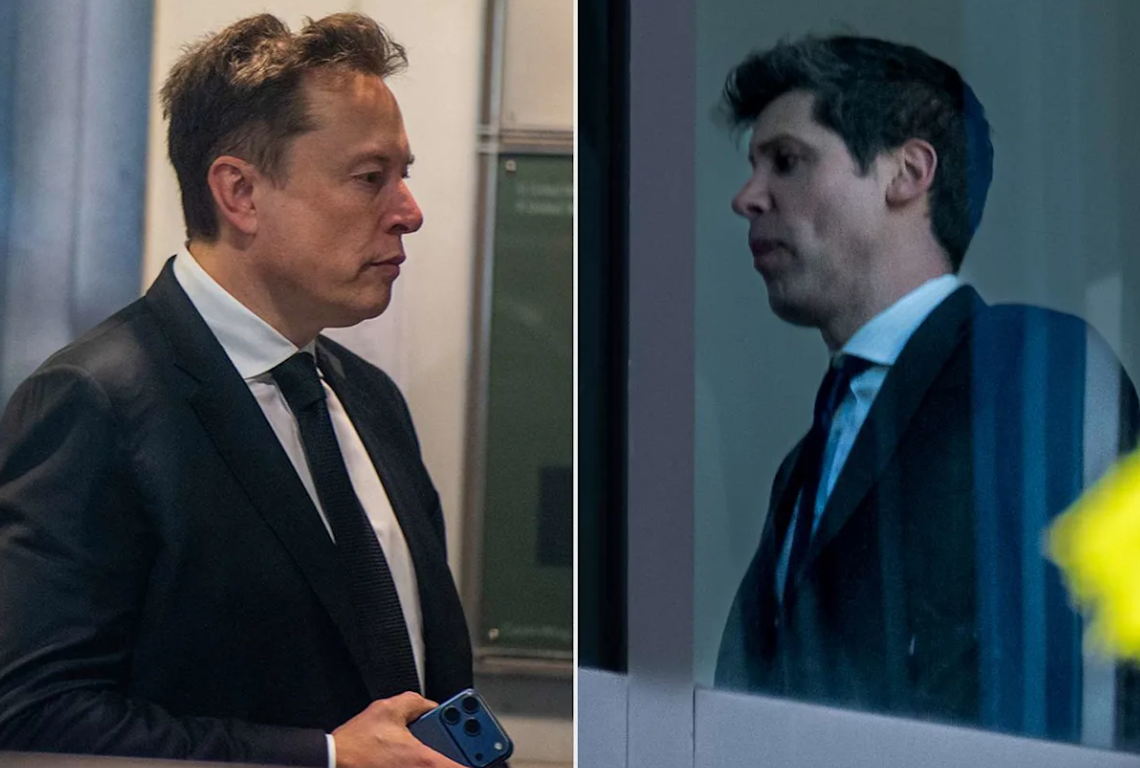
On May 18, Elon Musk lost his lawsuit against OpenAI, marking a major turning point in the debate over AI governance and dealing a significant blow to his effort to reshape the company’s direction. The ruling now raises a broader question: who gets to control the future of AI?
The lawsuit dates back to OpenAI’s founding in 2015. Musk, alongside Sam Altman and various others, helped establish the organization as a nonprofit, stating a mission of developing artificial intelligence “for the benefit of humanity.” After Musk departed in 2018, OpenAI began to generate profits and formed a major partnership with Microsoft, both moves that Musk repeatedly criticized as betraying its original principles.
That criticism eventually turned into legal action. In his lawsuit, Musk alleged that OpenAI had effectively abandoned its nonprofit mission in favor of profit maximization, arguing that its close ties with Microsoft distorted its incentives and limited transparency. Musk sought to force structural changes, including a return to a more open, safety-focused framework. In response, OpenAI argued that its current approach was necessary to fund more expensive AI development and remain competitive.
When the case reached court, much of the focus centered on whether OpenAI’s founding commitments were legally binding or just buzzwords. Judges appeared skeptical of Musk’s claims, questioning whether early statements about benefiting humanity constituted enforceable obligations.
In turn, that skepticism translated into a decisive ruling. After just two hours of deliberation, a jury dismissed Musk’s primary claims, finding that OpenAI’s evolution into a capped-profit entity did not violate any enforceable agreement and that the statute of limitations for Musk’s litigation had expired years ago. In the opinion, the court emphasized that mission-driven language, while influential, does not automatically create legal constraints on a company’s structure or partnerships. The ruling also rejected Musk’s attempt to compel OpenAI to open its models, citing competitive concerns.
The implications were immediate. OpenAI won broadly from this, as it paves the way for a future initial public offering (IPO), while Musk criticized the ruling and hinted at a possible appeal. The case also highlights a growing tension in the AI industry: there must be a major balance between rapid innovation and accountability. As development costs skyrocket, companies increasingly rely on dark money, raising concerns about transparency and ethical standards.
Overall, the ruling underscores a key reality, showing that courts may not be the primary arena for resolving disputes over AI governance. Instead, the responsibility may fall to regulators and the companies themselves to define the rules under which AI companies are able to operate. As AI systems become more powerful and are more embedded in daily life, the question is no longer just who builds them and their ethical standards, but who actually holds them accountable.
Read More Here: