
Conflicts
-

America’s Policy Roller Coaster on the Iran War
Over the past week, the uncertainty over the Iran War persisted, with broken ceasefires, fragile deals and further twists and turns in its trajectory. Oil jumped, then crashed, then jumped, and economic indicators are pushing that same uncertain narrative.
-

Escalation Around Iran’s Nuclear Sites
Iran said the area around its Bushehr nuclear power plant had been attacked for the fourth time during the current war. One of the plant’s employees was killed in the attack.
-

The Iran War’s Effect on Bonds
President Trump assured the public that the war would only last “4 to 6 weeks.” It has now been 5, and the markets are reacting. After the killing of Iran’s Supreme Leader Ayatollah Ali Khamenei, Iran has responded fiercely.
-

A Look at President Trump’s War Rhetoric
Democratic politicians and experts on presidential communications warn that President Trump’s recent threats against Iran are a dangerous escalation of rhetoric that could undermine global American credibility and domestic support for the war.
-

The Cost of Hormuz Hits Home
On March 2nd, 2026, Iran closed the Strait of Hormuz. This week, this supply shortage has hit the US markets, causing the price of gas and other oil products to rocket up to above $4 in some areas.
-

Israel Pushes Deeper into Lebanon
On Sunday, Israeli Prime Minister Benjamin Netanyahu said he had ordered the military to expand its operations in southern Lebanon, citing continued rocket fire by Hezbollah.
-

Sudan: Turning Cities into Casualties
A power struggle between the military and the rival paramilitary Rapid Support Forces exploded into war throughout the country. No end is in sight to bring a stop to the fighting, now one of the deadliest conflicts in Africa.
-
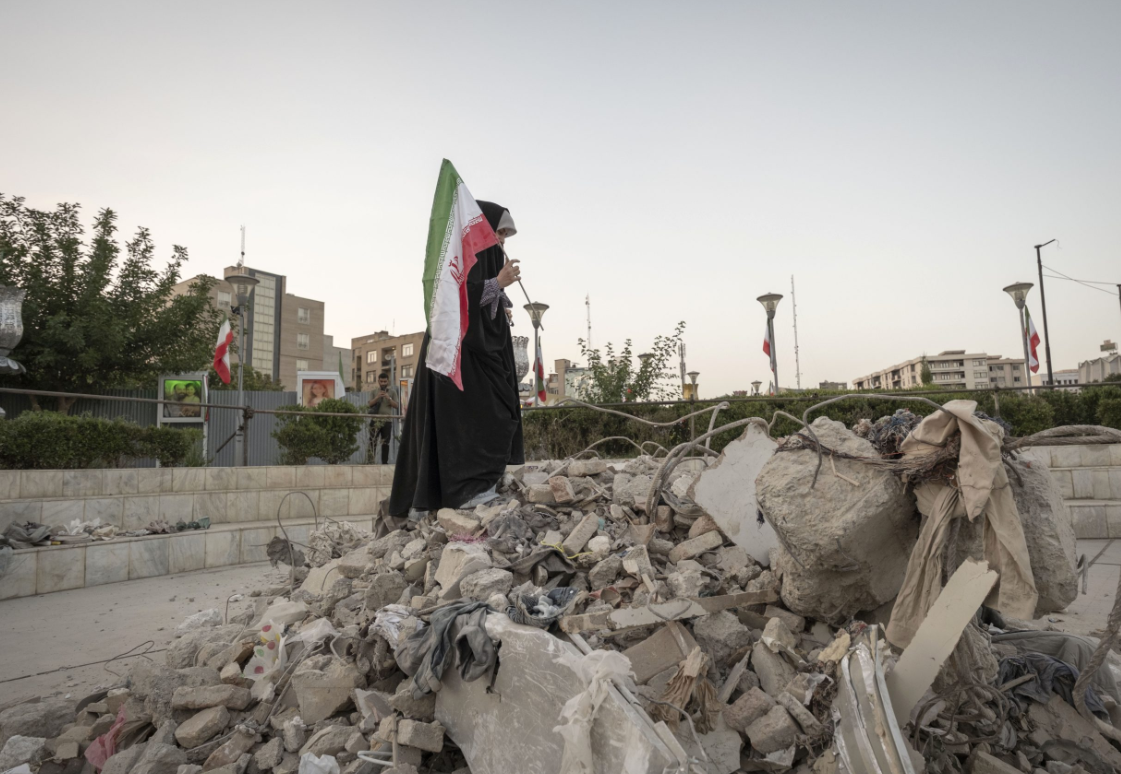
Tracking the Environmental Consequences of the War in Iran
The U.S. and Israel’s actions in Iran in the past two weeks have released five million tonnes of greenhouse gas emissions into the atmosphere. The war is actively draining the global carbon budget faster than 84 countries combined.
-
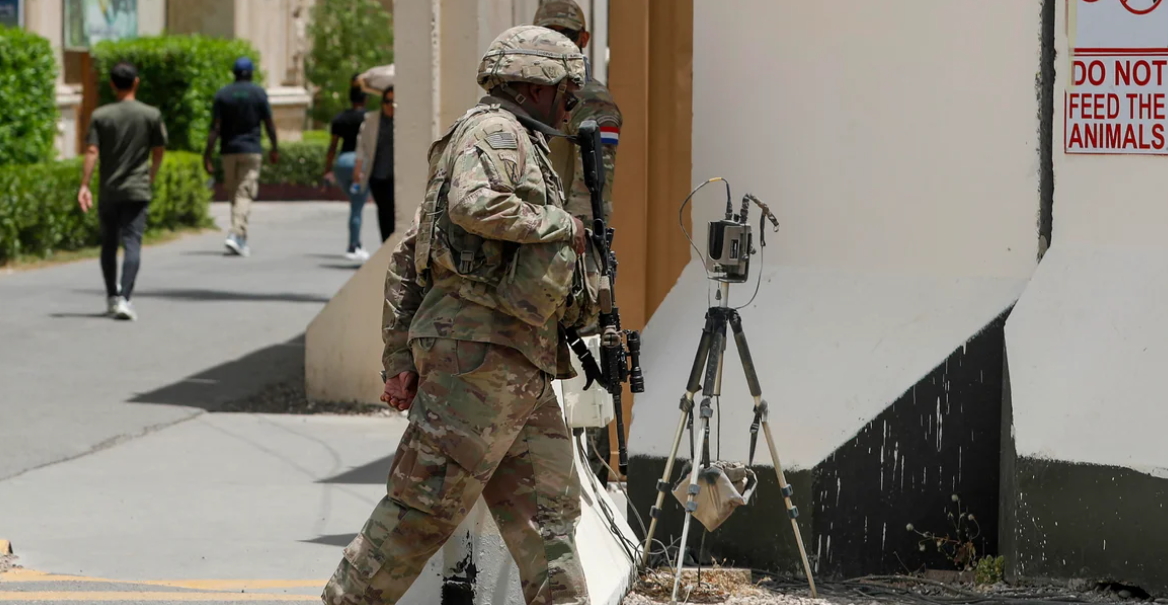
NATO Pulls Troops as Allies Resist Iran War Escalation
NATO has historically operated on collective defense principles, but the current conflict falls outside a direct attack on member states, giving countries more caution over their involvement. As a result, divisions are becoming more visible.
-

Iranian Minab Girls’ School Destroyed in Strike, Killing Hundreds
The Shajareh Tayyebeh girls’ elementary school was a two-story building housing girls aged 7 to 12. It was decimated during the strike, killing between 165 and 180 people, a majority of whom were children attending the school.
-

U.S. Urges Allies to Move to Secure Strait of Hormuz
Iranian attacks on ships and maritime infrastructure have disrupted ships passing through the strait, sending global oil prices above $100 per barrel and raising fears of a major energy shock.
-
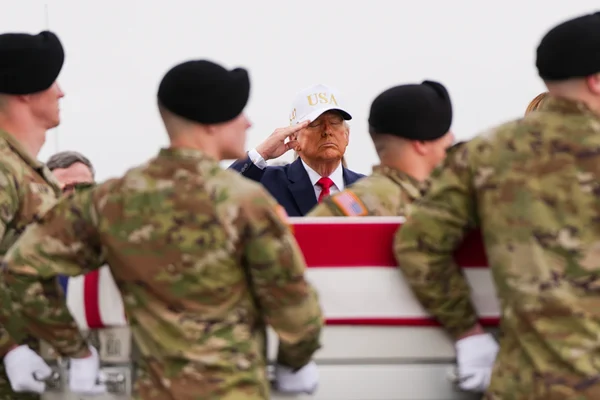
American Refueling Plane Crashes in Iraq
On Friday, amid rising tensions with Iran, six United States service members were killed when their KC-135 refueling plane crashed in Western Iraq. The American death toll in the Iran war has now risen to 13.
-

U.S. Troops One Foot into Ecuador
On Tuesday, Ecuadorian and United States military forces began a joint operation domestically to combat international terrorist organizations. This is part of a building movement to reduce the trade of drugs internationally, particularly in Latin America.
-

Examining Syria’s Efforts at Rebuilding
The U.S. reported in February that it would withdraw all its troops from Syria over the next two months. Kurdish clashes, sectarian violence and Israeli airstrikes all raise concern about regional stability and whether the centralized power will last under Syria’s fragile new Islamist led government.
-
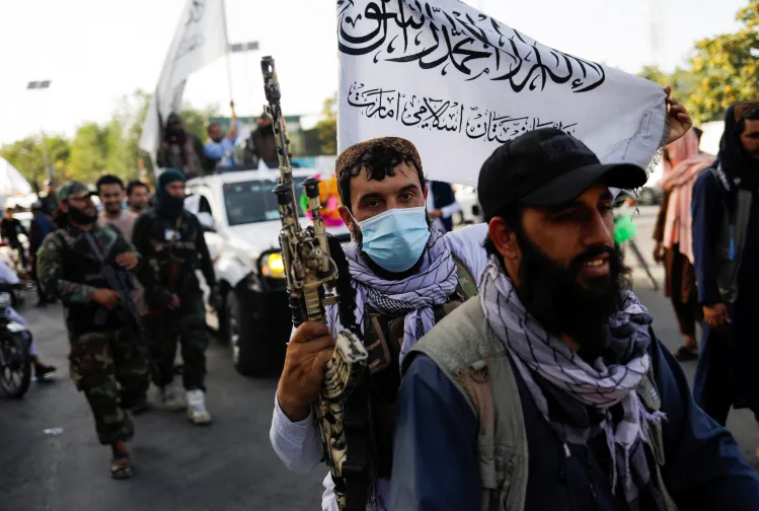
The Taliban’s Tajikistan Troubles
While relations with Pakistan occupy the headlines today, the Taliban has also seen a souring of relations with its other Eastern neighbors: Tajikistan and China.
-

What an Iranian Future Looks Like After Ayatollah Ali Khamenei
Ayatollah Ali Khamenei himself reportedly selected three candidates who could take his place during last June’s 12-day war. Yet, their names have not been made public.
-
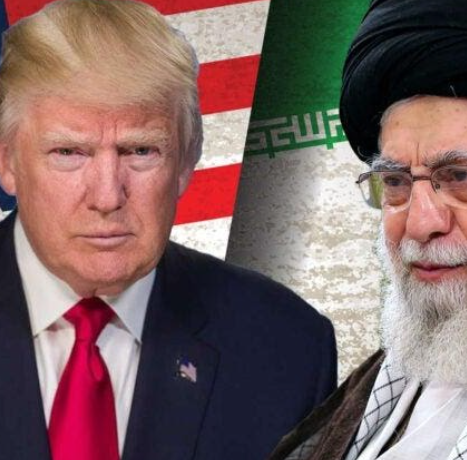
Trump’s Moment of Reckoning With Iran
Even as aides continually warn him to focus on domestic economic policy, President Donald Trump has pushed the U.S. further and further to the brink of war with Iran, despite ever-depreciating woes of GOP midterm failure.
-
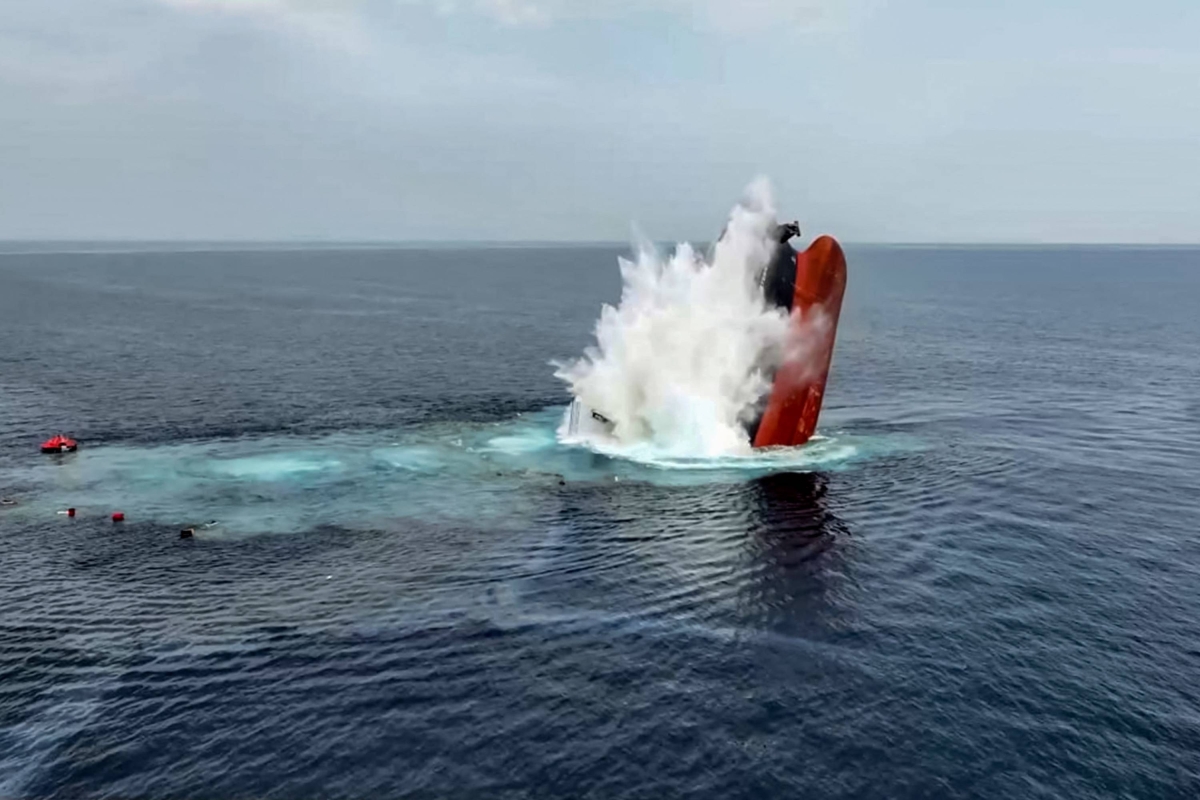
New Houthi Attacks Intensify Red Sea Shipping Disruptions
On February 8, the Houthis launched yet another round of missile and drone attacks, representing a flareup that threatens global trade and regional conflict.
-
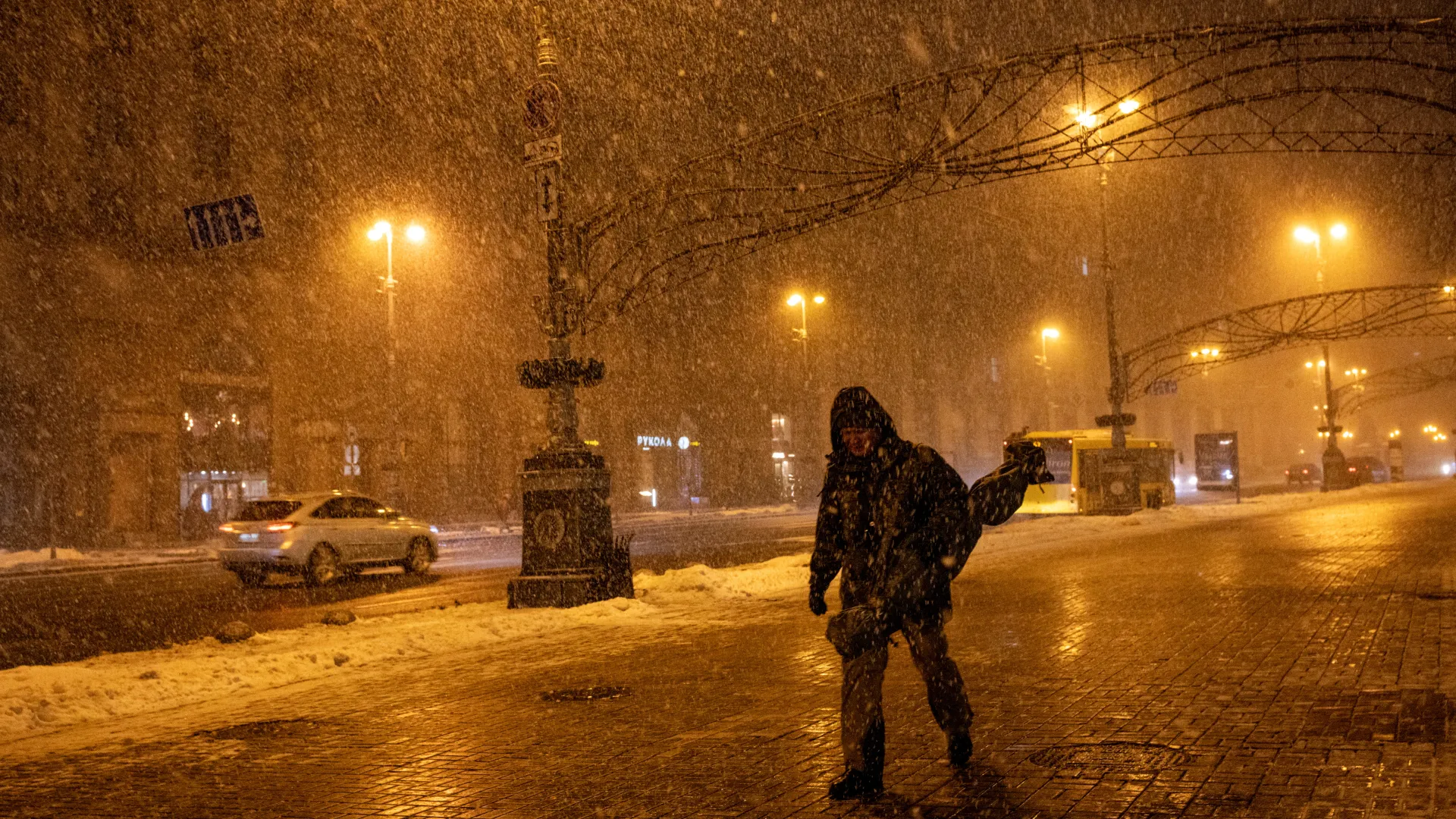
A Winter Without Light in Ukraine
The sounds of war have become routine in Ukraine’s major cities. Every night is defined by air raid alerts, the hum of drones and the thunder of missile interceptions. But this winter, another sound has taken over…
-
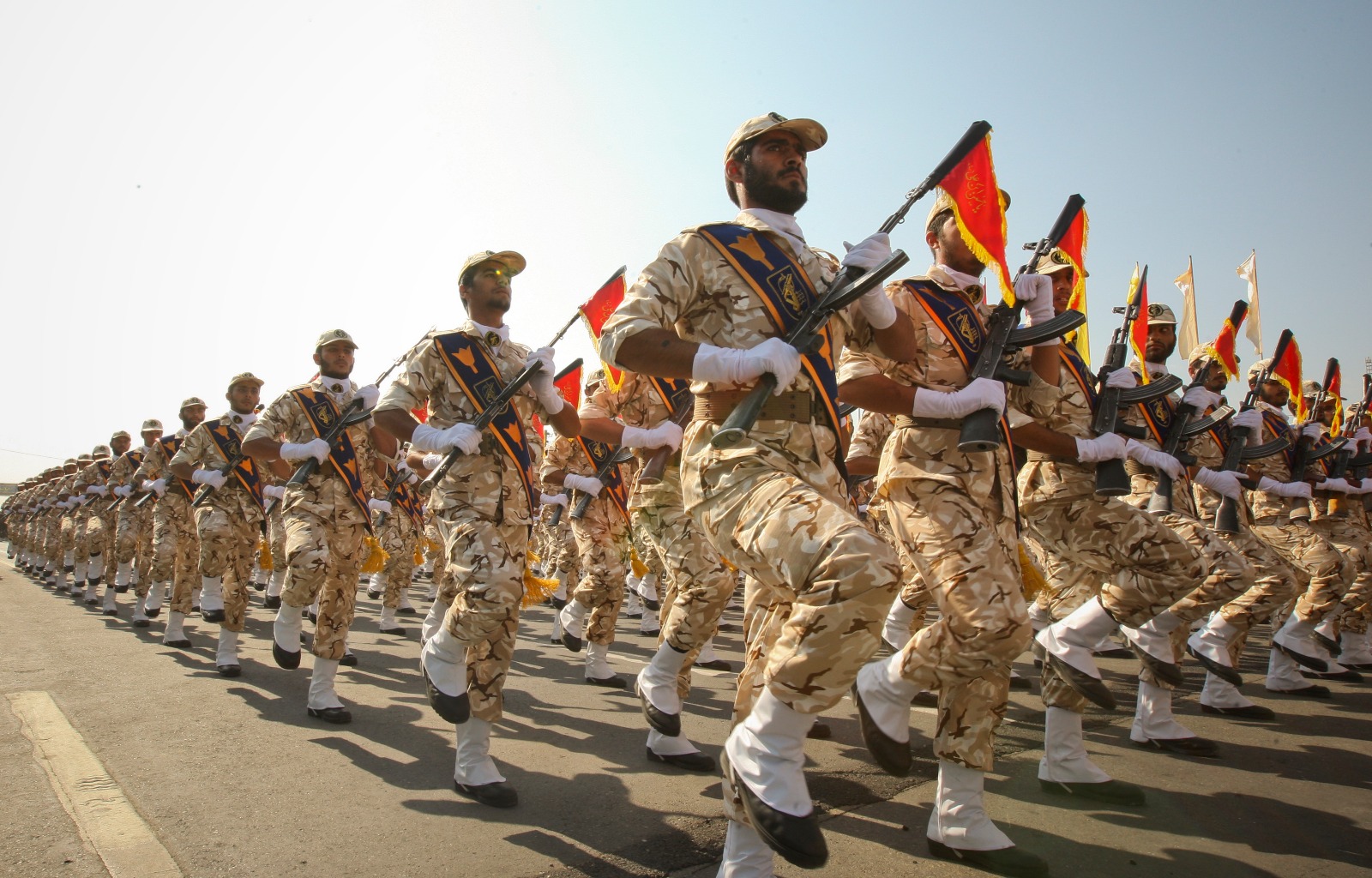
Iran at the Brink: The Potential for US Invasion
As protests grow in Iran, the potential for a US invasion has grown. Growing tensions between the Trump Administration threaten regime change in Iran.
-

The Fallout of Operation Absolute Resolve in Venezuela
The US’ arrest of Venezuelan President Nicholas Maduro has drawn various reactions, from hope for a democratic transition to criticism over violations of international law.