Arnav Goyal — March 17, 2026
On Friday, amid rising tensions with Iran, six United States service members were killed when their KC-135 refueling plane crashed in Western Iraq. This comes after Kuwait shot down numerous other aircraft in accidental friendly fire. After this crash, the American death toll in the war in Iran rose to 13, posing the question: when will a line be drawn between intervention and human lives? The war in Iran has gone on for 3 weeks now, with no end in sight. Let’s look into the event and the fallout of it.
For context, the war in Iran has made the entire region unpredictable. A few weeks ago, Kuwaiti forces accidentally shot down 3 U.S. aircraft in a series of friendly fire incidents, mistaking them for Iranian jets. Kuwait and the entire Gulf Cooperation Council (GCC) have been under intense pressure to combat Iranian threats after repeated Iranian strikes, meaning they are using every tool at their disposal. However, these avenues have proved to be risky, as due to the intense pressure, misidentification took place. The backdrop of the Kuwaiti strikes on U.S. planes had already proved futile for popular support of the war, and had rattled confidence about the capability for such a coalition to fight a war.
However, the confidence of the American public in our ability to sustain the war went even lower on Friday. According to CENTCOM, there were 2 KC-135 tankers in the region. One sustained minor damage. One crashed. Reports have characterized the incident as not being due to hostile or friendly fire, leaving investigators puzzled as to the actual cause. Unconfirmed reports are citing a mid-air collision with the other KC-135, but this has yet to be independently verified.
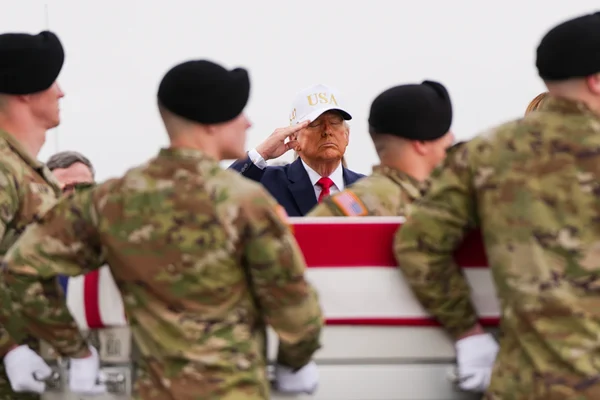
With the plane crash, the American death toll in the war has risen to at least 13, after Iranian strikes on Kuwait and Saudi Arabia killed 7. 6 members of the Air Force were killed, 3 of whom were stationed in Florida and 3 of whom were stationed in Ohio. At the strategic and political level, the crash has intensified scrutiny of Operation Epic Fury and the war in Iran as a whole. The crash was the 4th U.S. aircraft lost in just 2 weeks, after Kuwaiti forces mistakenly shot down 3 US jets. Supporters, including the administration, have argued that the operation is necessary to combat Iran’s nuclear deterrent and degrade Iran’s ability to launch missiles and drones at Western-allied forces. However, critics say that the growing list of these casualties and mishaps shows our lack of preparedness for the war and a lack of planning.
Overall, the KC-135 disaster has become a touchpoint in the broader debate over the Iran War, reflecting America’s divisions. For families of the fallen soldiers, it is a personal tragedy that engraves the rhetoric about deterrence into names and young people’s futures cut short. For politicians, it raises questions about whether or not we are adequately prepared for this war. For the public, it layers on growing skepticism over whether the war is actually working, and if the benefits outweigh the costs.
Read more here: