
International Politics
-

Israel Pushes Deeper into Lebanon
On Sunday, Israeli Prime Minister Benjamin Netanyahu said he had ordered the military to expand its operations in southern Lebanon, citing continued rocket fire by Hezbollah.
-

Taiwan Infiltration Case
Local officials and civilians were accused of passing around sensitive information to people in China. The persistence of these infiltration attempts could mean a shift in Taiwan’s power against its long-standing enemy, China.
-
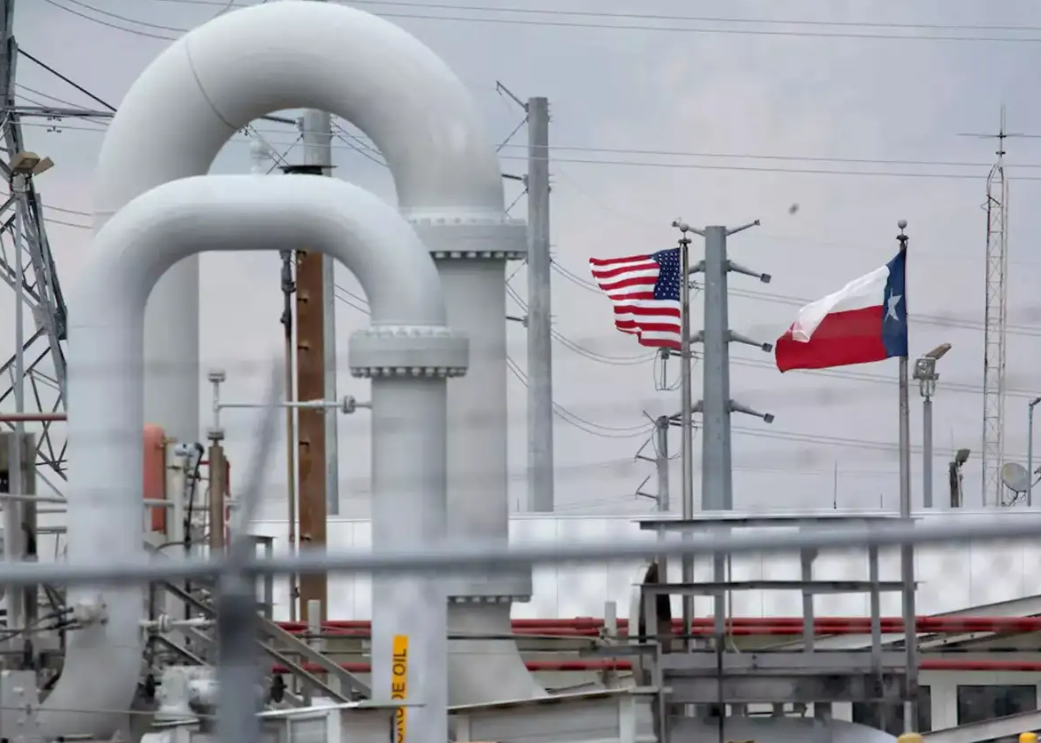
U.S. Signals Plan to Remove Iranian Oil Sanctions
The United States has announced its intention to relax sanctions on oil exports from Iran, which represents a major policy shift in its stance towards Iran. This growing pressure is in an effort to stabilize oil supplies.
-

Sudan: Turning Cities into Casualties
A power struggle between the military and the rival paramilitary Rapid Support Forces exploded into war throughout the country. No end is in sight to bring a stop to the fighting, now one of the deadliest conflicts in Africa.
-
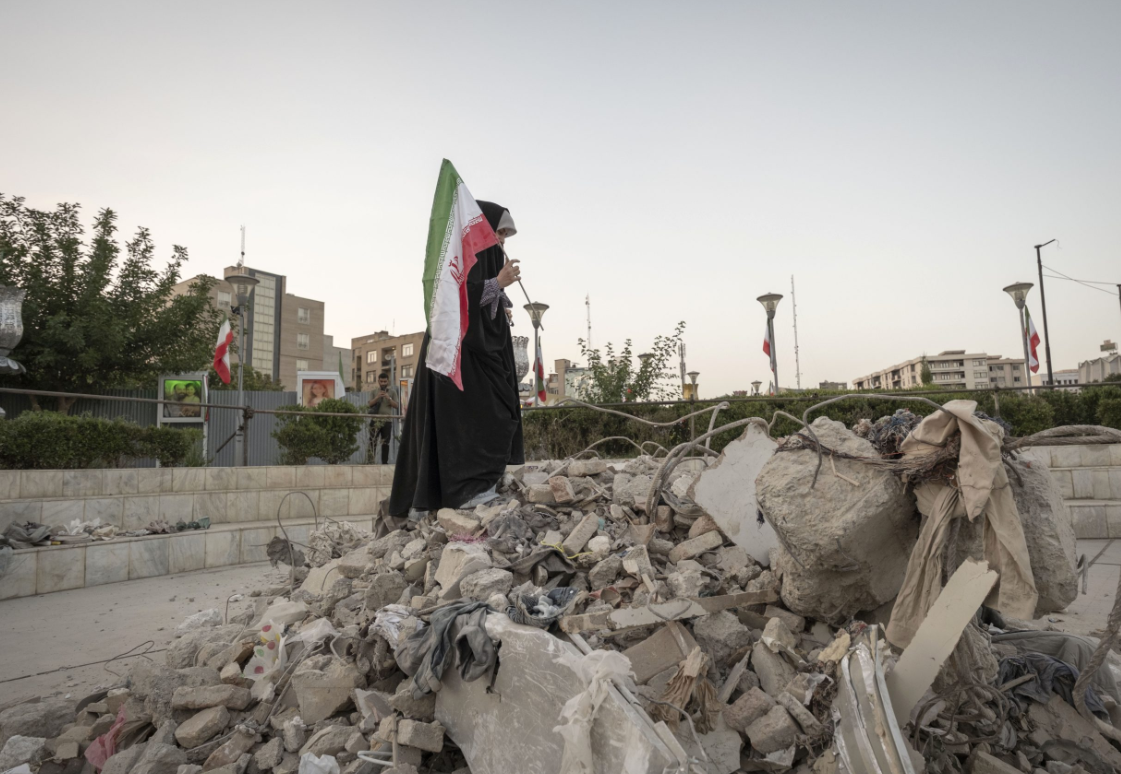
Tracking the Environmental Consequences of the War in Iran
The U.S. and Israel’s actions in Iran in the past two weeks have released five million tonnes of greenhouse gas emissions into the atmosphere. The war is actively draining the global carbon budget faster than 84 countries combined.
-
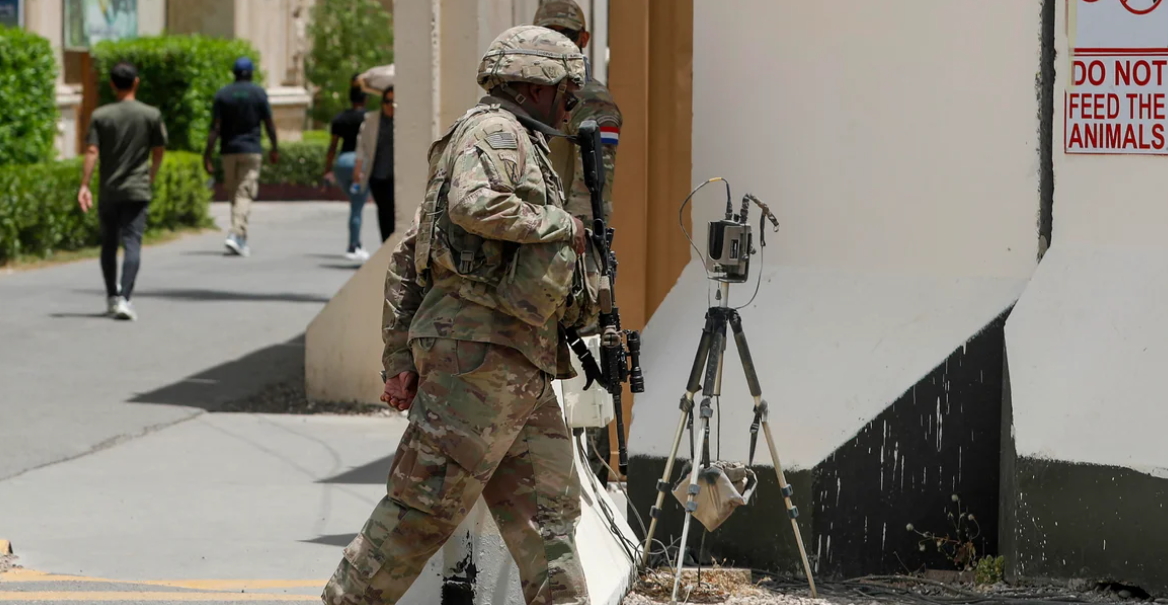
NATO Pulls Troops as Allies Resist Iran War Escalation
NATO has historically operated on collective defense principles, but the current conflict falls outside a direct attack on member states, giving countries more caution over their involvement. As a result, divisions are becoming more visible.
-
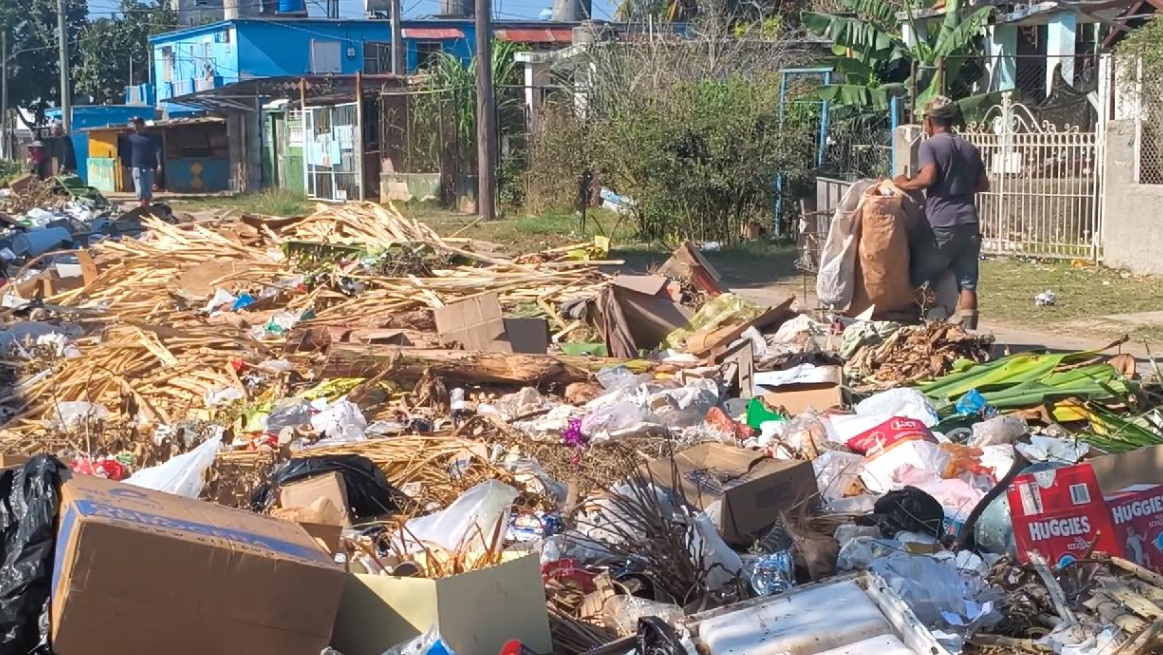
Cuba’s Energy Crisis Continues
The Cuban government has attributed the collapse to the US-imposed oil blockade, which has effectively halted energy imports to the country. As of now, Cuba can only domestically produce 40% of the country’s pre-blockade energy demand.
-
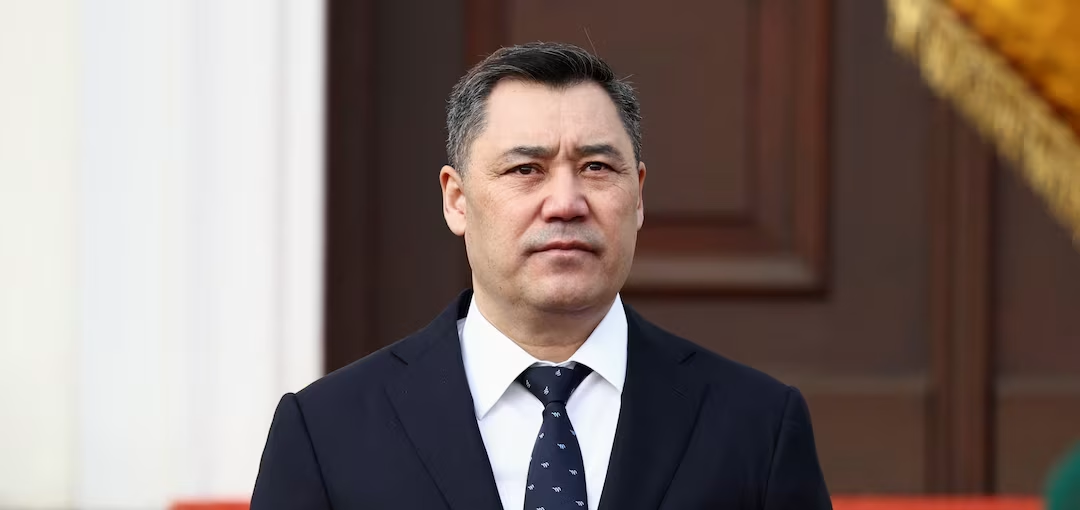
Kyrgyrstan’s Descent Into Autocracy
Kyrgyzstan President Sadyr Japarov is leading the tiny ex-Soviet country into authoritarianism. For nearly three decades, Kyrgyzstan stood as the sole beacon of democracy between its neighbors—Uzbekistan, Kazakhstan, Tajikistan, and Turkmenistan, where authoritarianism dominated politics.
-

U.S. Troops One Foot into Ecuador
On Tuesday, Ecuadorian and United States military forces began a joint operation domestically to combat international terrorist organizations. This is part of a building movement to reduce the trade of drugs internationally, particularly in Latin America.
-
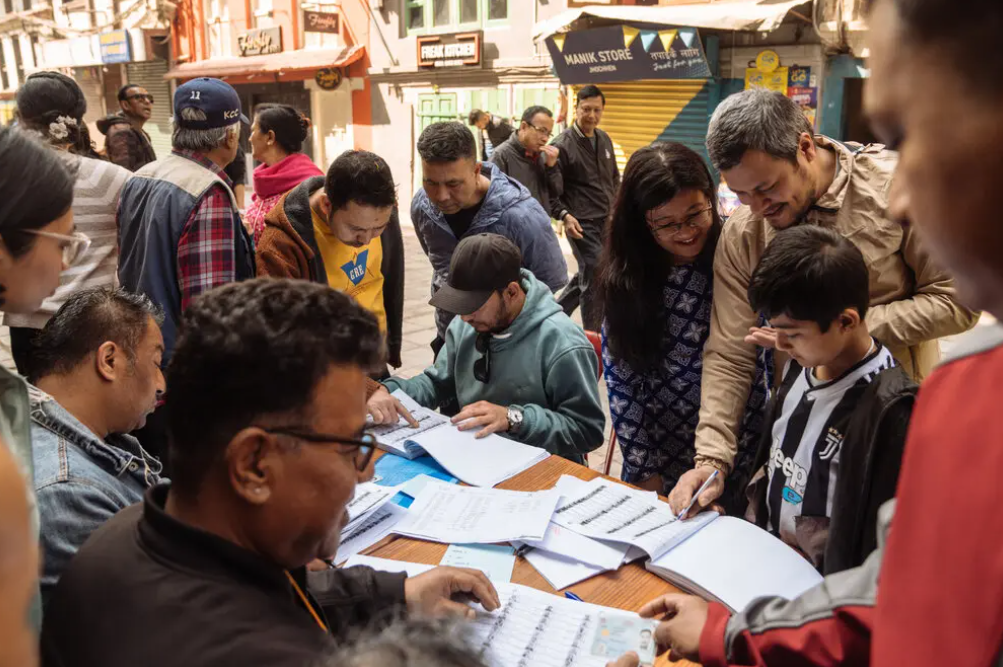
Nepal’s Gen-Z Head to the Polls
Supporters of rapper-turned-politician Balenda Shah took to the streets of Kathmandu, Nepal, celebrating his landslide victory in Nepal’s first general elections to elect 275 members of the House of Representatives since the violent Gen-Z protests that engulfed the nation in September. The 2025 protests were…
-
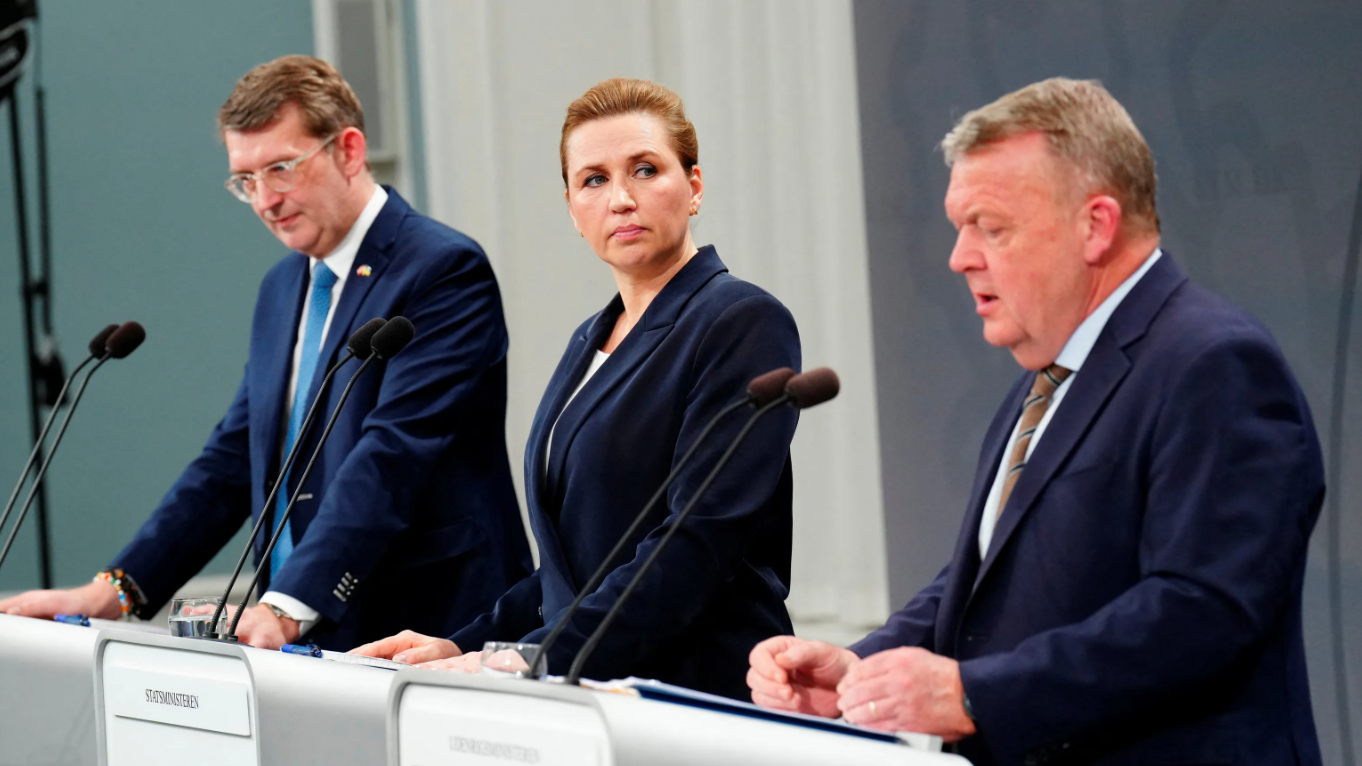
France and Germany Move Closer on Joint Nuclear Alliance
“What I want more than anything, as you will have understood, is for Europeans to regain control of their own destiny,” Mr. Macron declared, as he laid out what he called a strategy of “forward deterrence.” France will work more closely on nuclear security with…
-

Examining Syria’s Efforts at Rebuilding
The U.S. reported in February that it would withdraw all its troops from Syria over the next two months. Kurdish clashes, sectarian violence and Israeli airstrikes all raise concern about regional stability and whether the centralized power will last under Syria’s fragile new Islamist led government.
-
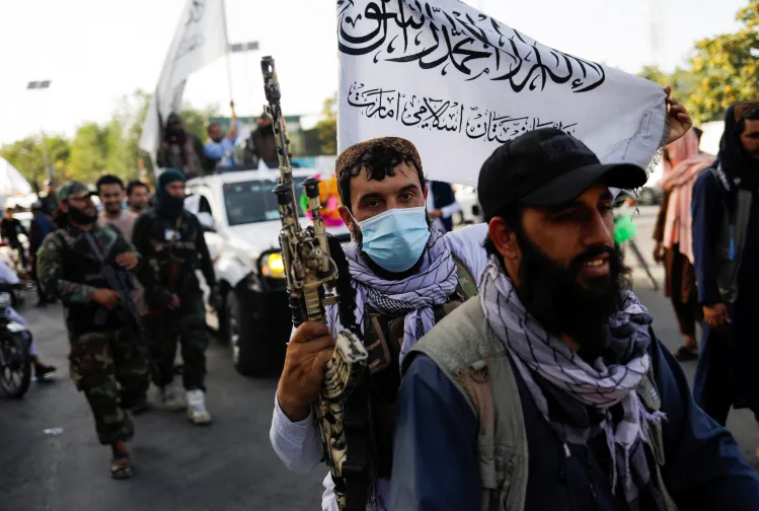
The Taliban’s Tajikistan Troubles
While relations with Pakistan occupy the headlines today, the Taliban has also seen a souring of relations with its other Eastern neighbors: Tajikistan and China.
-

What an Iranian Future Looks Like After Ayatollah Ali Khamenei
Ayatollah Ali Khamenei himself reportedly selected three candidates who could take his place during last June’s 12-day war. Yet, their names have not been made public.
-

India Steps Into Global AI Policy
Last week, the India AI Impact Summit 2026 took place in New Delhi, bringing together world leaders, tech CEOs, and researchers to discuss the future of artificial intelligence. It was one of the largest global gatherings on AI ever organized.
-
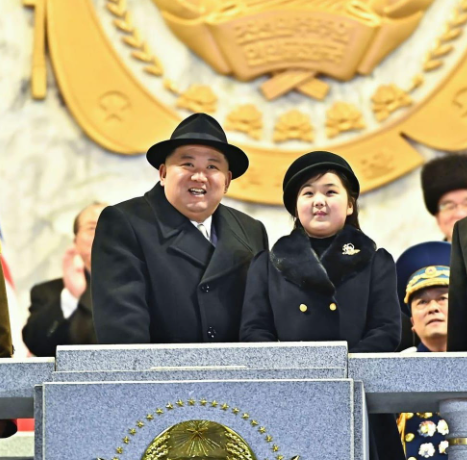
The Next Kim: North Korea’s Leader Eyes Potential Successor
North Korean Supreme Leader Kim Jong Un appears to be eyeing his 13-year-old daughter, Kim Ju Ae, for the lofty position. It would be a surprisingly progressive move for an extremely socially conservative nation.
-

Kenyan Aviation Worker Strikes Finally Over
Earlier this week, the Kenya Aviation Workers Union and the government of Kenya were able to come to an agreement to raise wages and ensure better regulation for workers in the industry after a disruptive 2-day strike.
-
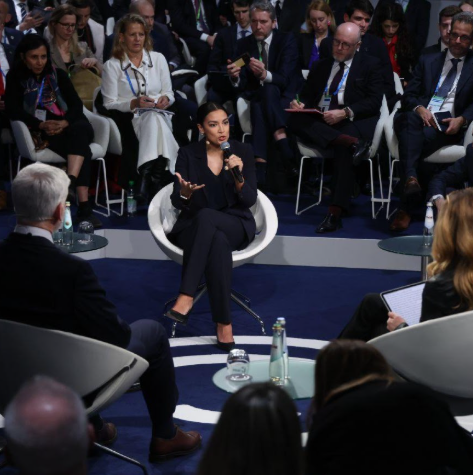
Munich Conference Updates
At this year’s 62nd Munich Conference, an international meeting held annually in February, heightened tensions between America and foreign powers were palpable. Topics discussed ranged from China’s Indo-Pacific policy to America’s security guarantees for Ukraine.
-
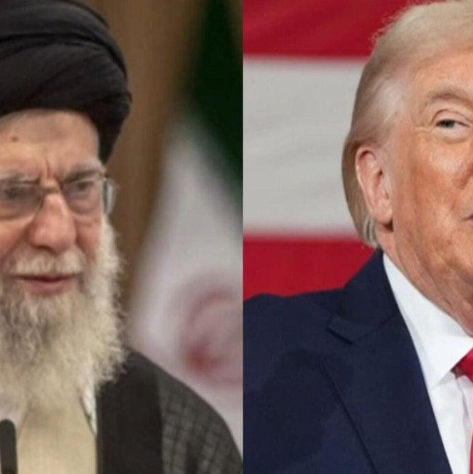
US-Iran Nuclear Talks Progress
President Trump has suggested that his top priority is for Iran to scale back its nuclear program and that it would be “traumatic for Iran” if they refused to comply.
-
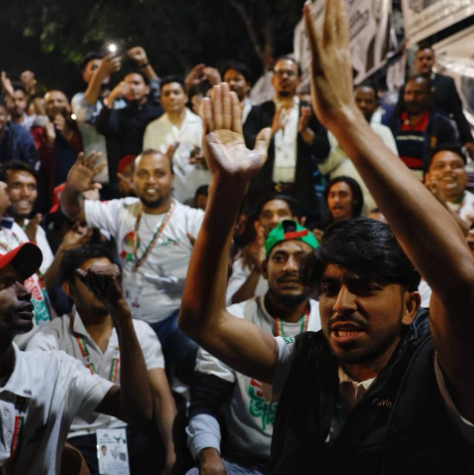
Bangladesh Nationalist Party Dominates General Election
International observers praised improvements in transparency compared with previous contests. However, economists say the incoming government will face immediate challenges, including foreign exchange pressures and job creation for a young populace.
-
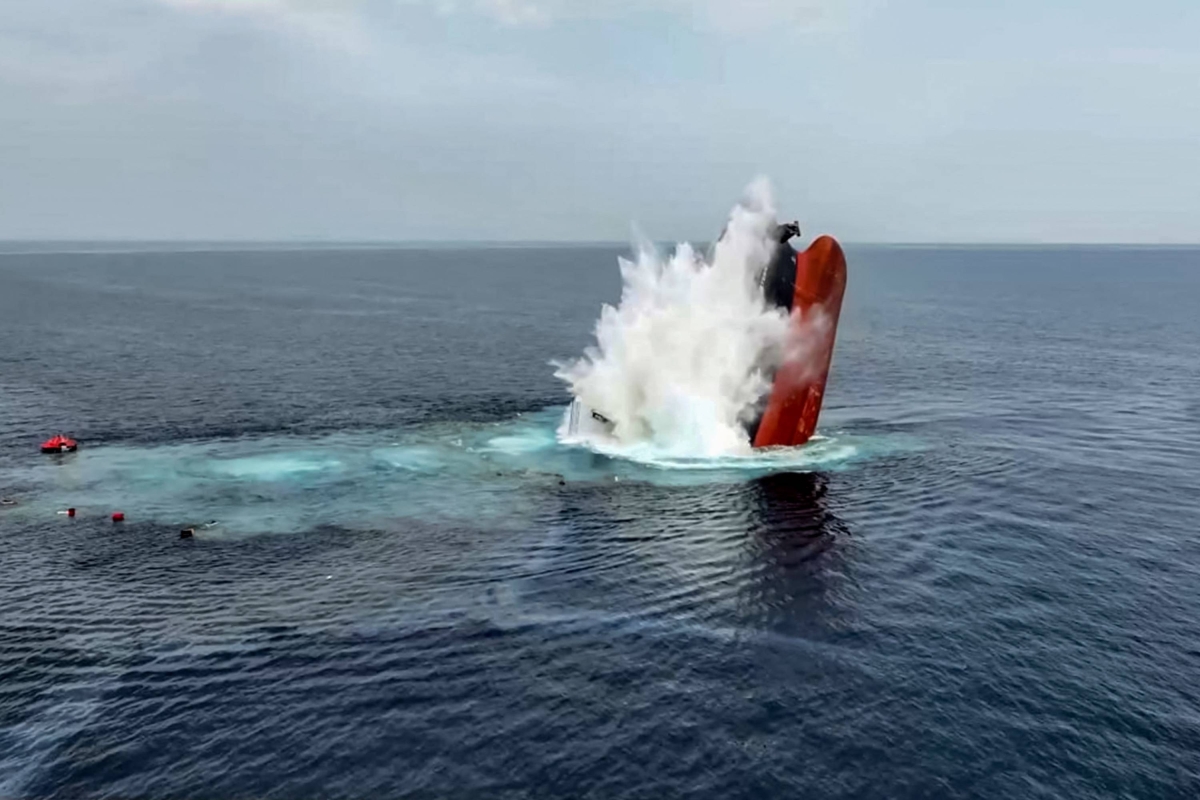
New Houthi Attacks Intensify Red Sea Shipping Disruptions
On February 8, the Houthis launched yet another round of missile and drone attacks, representing a flareup that threatens global trade and regional conflict.