
26 May 2026 General Brief
In domestic news, read about Trump’s $1.8 billion “Anti-Weaponization Fund” designed to compensate people who claim to be unfairly targeted for political reasons, Elon Musk’s losing of the OpenAI lawsuit on its transition from a nonprofit to for-profit organization, and the closing of the Late Show by CBS after 11 years. In international news, read about the sudden fall of the Latvian government and enroachment of its territory, the divide between the United States and NATO’s acts independently of American pressure, fragile diplomatic interaction between Washington and Tehran on the Iran deal, and China’s overhauling of the Hukou system, aiming to integrate migrant workers by providing social insurance.
-

China Overhauls Hukou System, Helping Integrate Migrant Workers
On Friday, May 22, China’s State Council announced a major change to their notorious household registration system, known as hukou (“hoo-koh”), allowing migrant workers to access social insurance in the cities where they work for the first time.
-
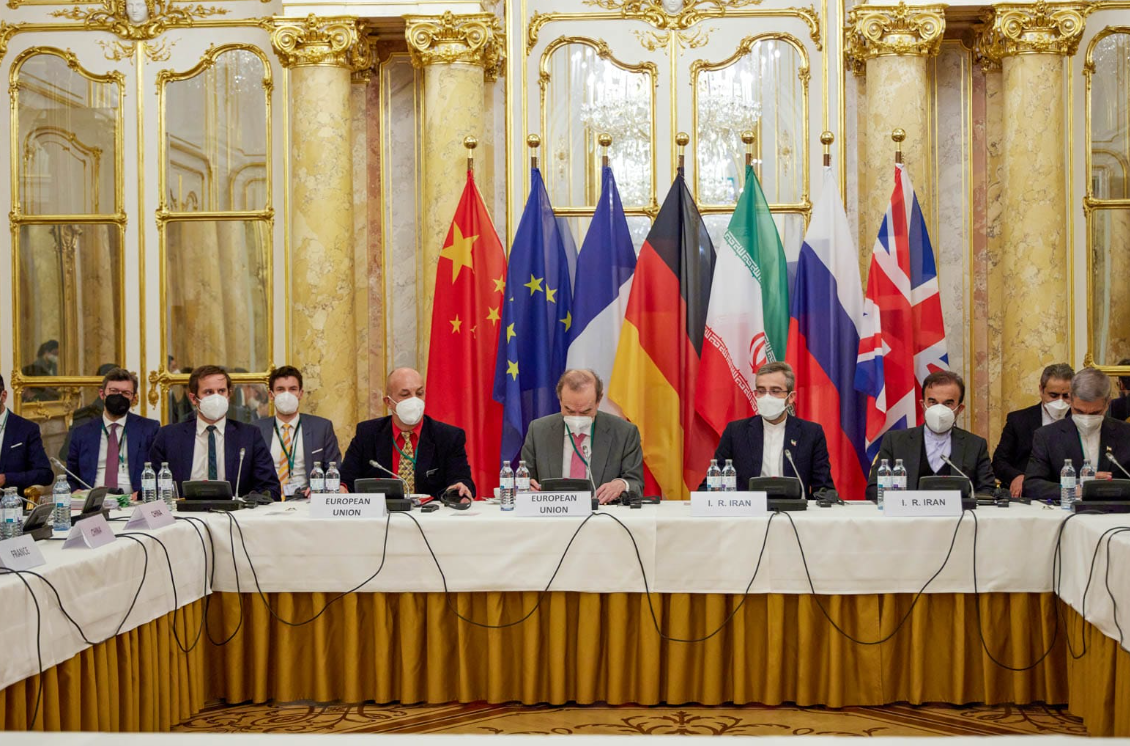
Iran Deal Nears as Global Stakes Rise
Negotiations between the United States and Iran appear closer to a breakthrough than at any point since the war began. Officials from Washington and Tehran have both signaled progress while warning that diplomacy remains fragile.
-
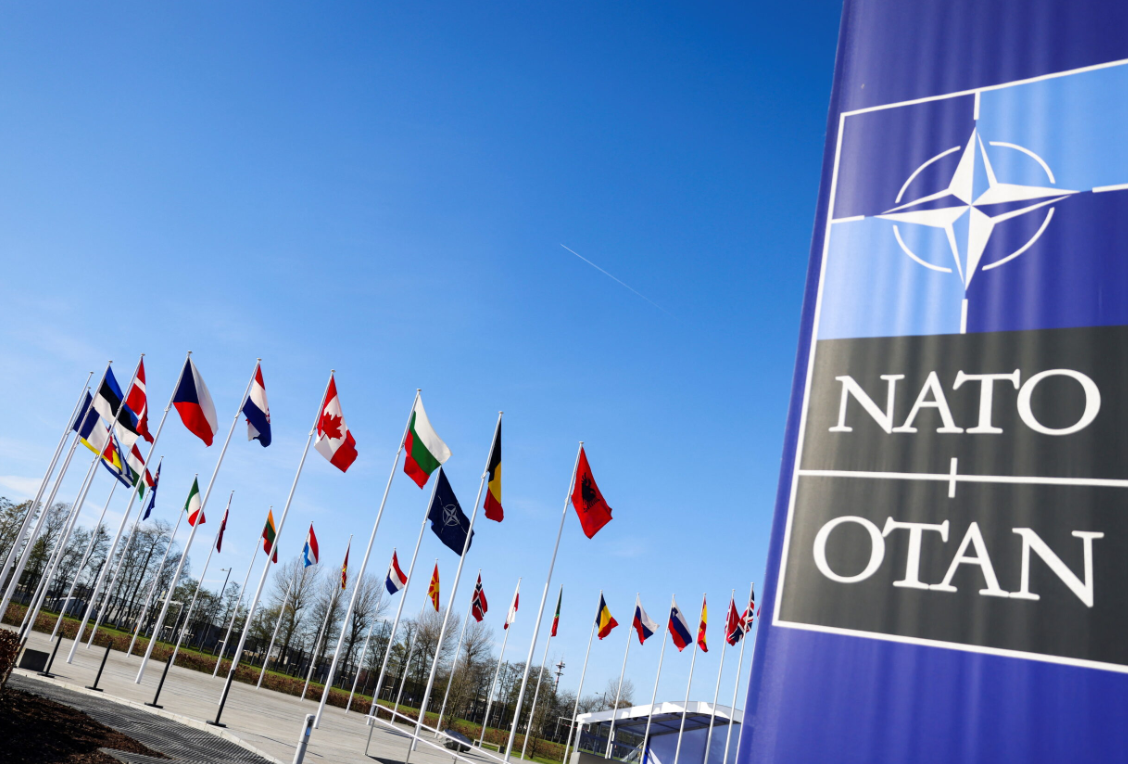
A Transatlantic Collapse: NATO’s Rift Fully Explained
President Trump’s relationship with personal business (both socially and financially) has long been defined as transactional and self-centric. That mentality has bled into foreign policy.
-

The Collapse of Latvia
The sudden fall of the Latvian government is sending ripples throughout the Balkan region. The firing of the Defense Minister led to a political fallout.
-
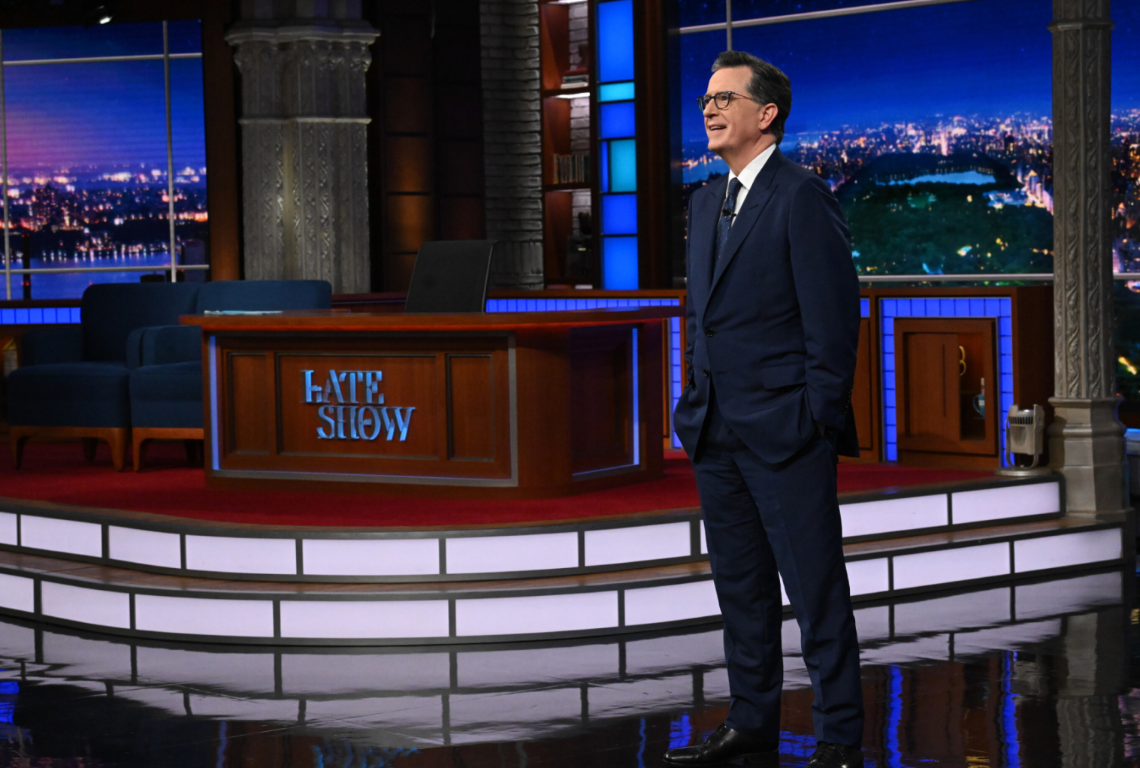
The Late Show’s Last Act
Since 1993, the CBS News network has hosted The Late Show, originally with David Letterman. After 11 years of comedy and satire, Stephen Colbert gave his final show on May 21, 2026, after CBS chose to cancel The Late Show.
-
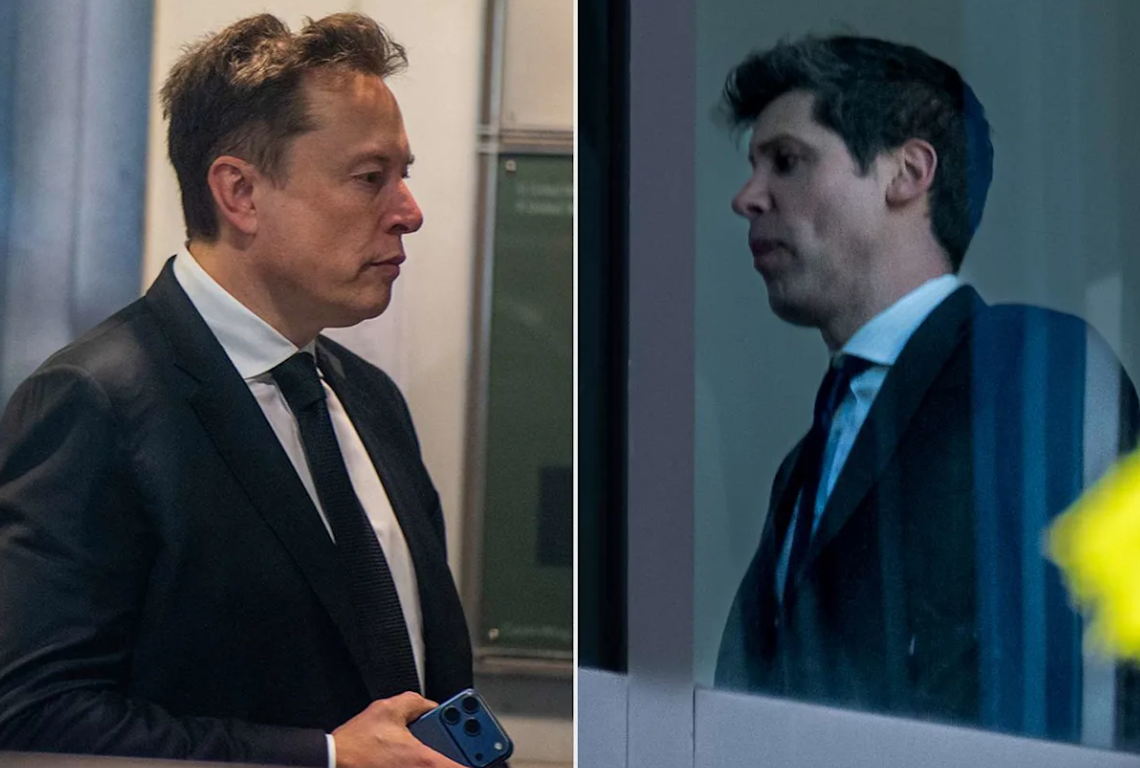
Elon Musk Loses OpenAI Lawsuit
On May 18, Elon Musk lost his lawsuit against OpenAI, marking a major turning point in the debate over AI governance and dealing a significant blow to his effort to reshape the company’s direction.
-
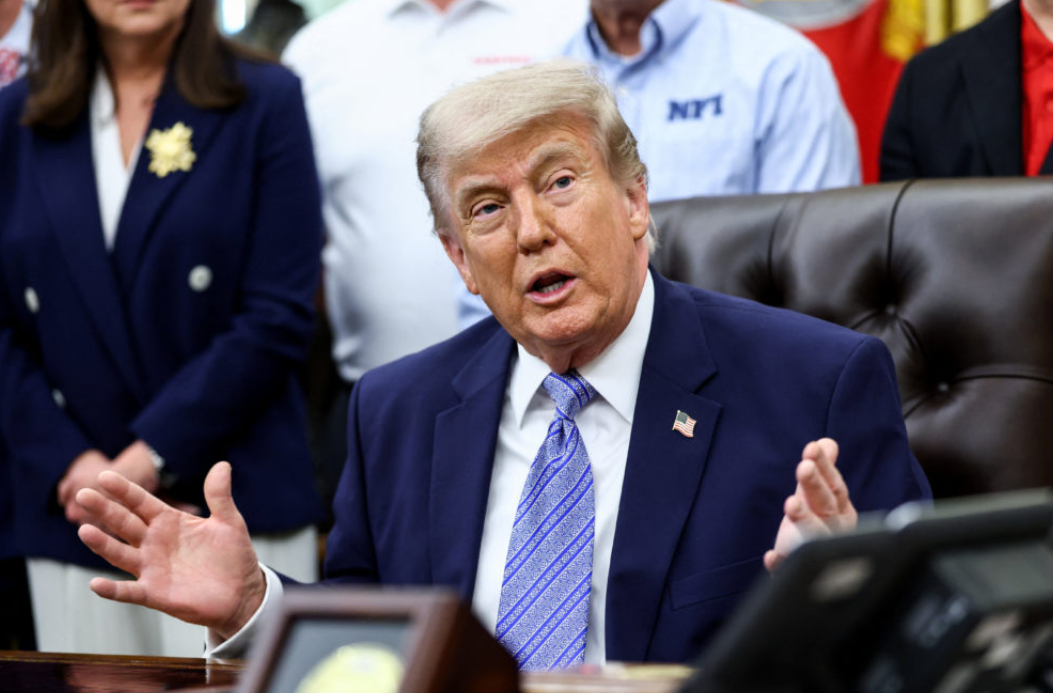
Inside Trump’s $1.8 Billion DOJ Payout Fund
The Donald Trump administration’s Department of Justice announced the creation of a nearly $1.776 billion “Anti-Weaponization Fund” (often rounded to $1.8 billion). The fund is designed to compensate people who claim they were unfairly targeted.