Dhruv Arun — May 26, 2026
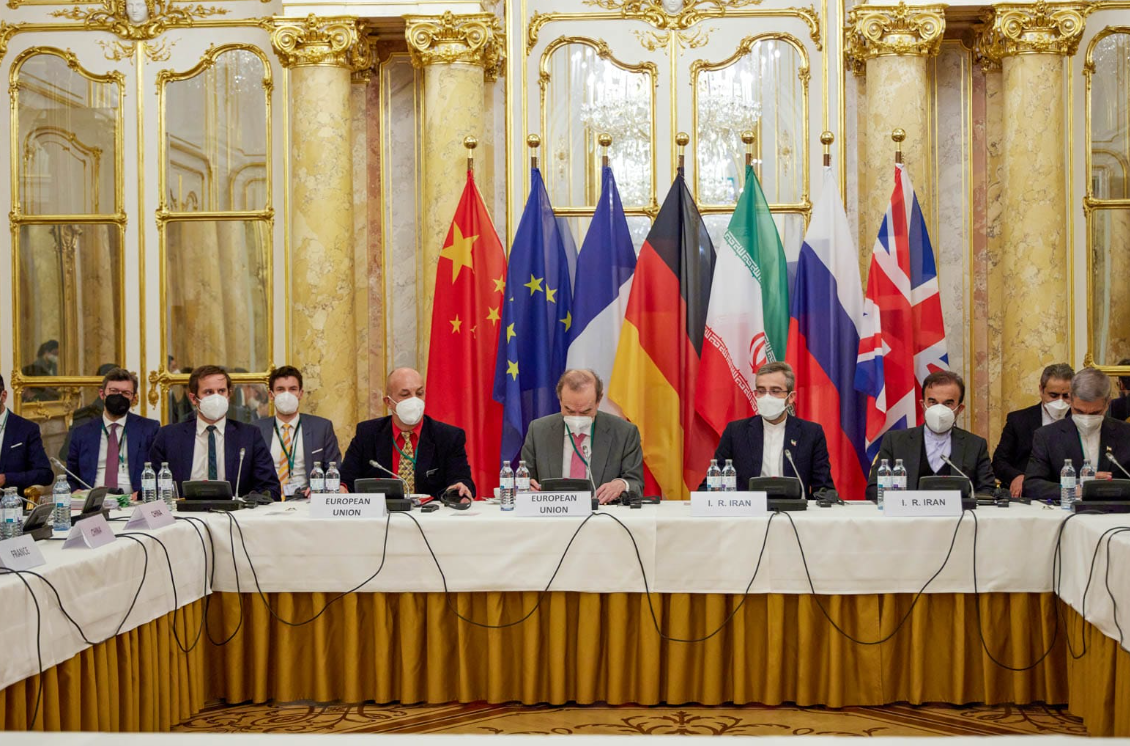
Negotiations between the United States and Iran appear closer to a breakthrough than at any point since the war began, but disputes over nuclear restrictions, sanctions relief, and control of the Strait of Hormuz continue delaying a finalized agreement. Officials from Washington and Tehran have both signaled progress while warning that diplomacy remains fragile.
The Trump administration has pushed negotiations around a framework that would reopen the Strait of Hormuz, restrict Iran’s enriched uranium stockpile, and create a larger long‑term agreement over future nuclear activity. American officials have emphasized that sanctions relief and the unfreezing of Iranian assets would only occur if Tehran follows through on its commitments. At the same time, negotiators continue debating the exact wording surrounding uranium disposal, enforcement mechanisms, inspections, and maritime control.
The proposed framework would reportedly establish a 60‑day period for broader negotiations. Officials close to the talks have described the approach as centered on preventing Iran from maintaining any pathway toward developing a nuclear weapon while also reducing pressure on global energy markets. The administration has repeatedly framed the negotiations around a “No Dust, No Dollars” principle, arguing that Iran should not receive economic relief unless its nuclear capabilities are significantly restricted.
Despite diplomatic momentum, tensions throughout the Middle East remain extremely high. Israeli Prime Minister Benjamin Netanyahu has insisted that any agreement must completely eliminate the nuclear threat posed by Iran. Israeli officials have also stressed that Israel must retain operational freedom throughout the region, including in Lebanon, even if a deal is reached.
Hezbollah leadership has strongly opposed the negotiations and rejected any suggestion of disarmament or direct talks with Israel. The organization warned that surrendering military capabilities would weaken Lebanon and increase Israeli influence in the region. Continued clashes along the Lebanese border have reinforced concerns that the conflict could quickly expand again even if negotiations between Washington and Tehran succeed.
American lawmakers remain deeply divided over the emerging framework. Republican Senator Lindsey Graham has supported continued pressure on Iran while urging Arab nations to expand participation in the Abraham Accords alongside any broader settlement. Other Republicans warned that Tehran could use sanctions relief to rebuild regional influence and strengthen military capabilities.
Democrats have also criticized the negotiations. Senator Chris Van Hollen argued that reopening the Strait of Hormuz and releasing frozen Iranian assets could ultimately restore conditions that existed before the war while allowing Iran to maintain greater leverage throughout the region. Critics from both parties questioned whether Tehran could be trusted to fully comply with future nuclear restrictions.
The Strait of Hormuz remains the most critical issue in the negotiations because nearly one‑fifth of global oil supplies move through the waterway. Since the conflict escalated, shipping disruptions and blockades have sharply increased global energy prices and intensified concerns about inflation and supply shortages. Oil markets reacted immediately to signs of diplomatic progress, with crude prices falling as reports emerged that negotiators were nearing an agreement.
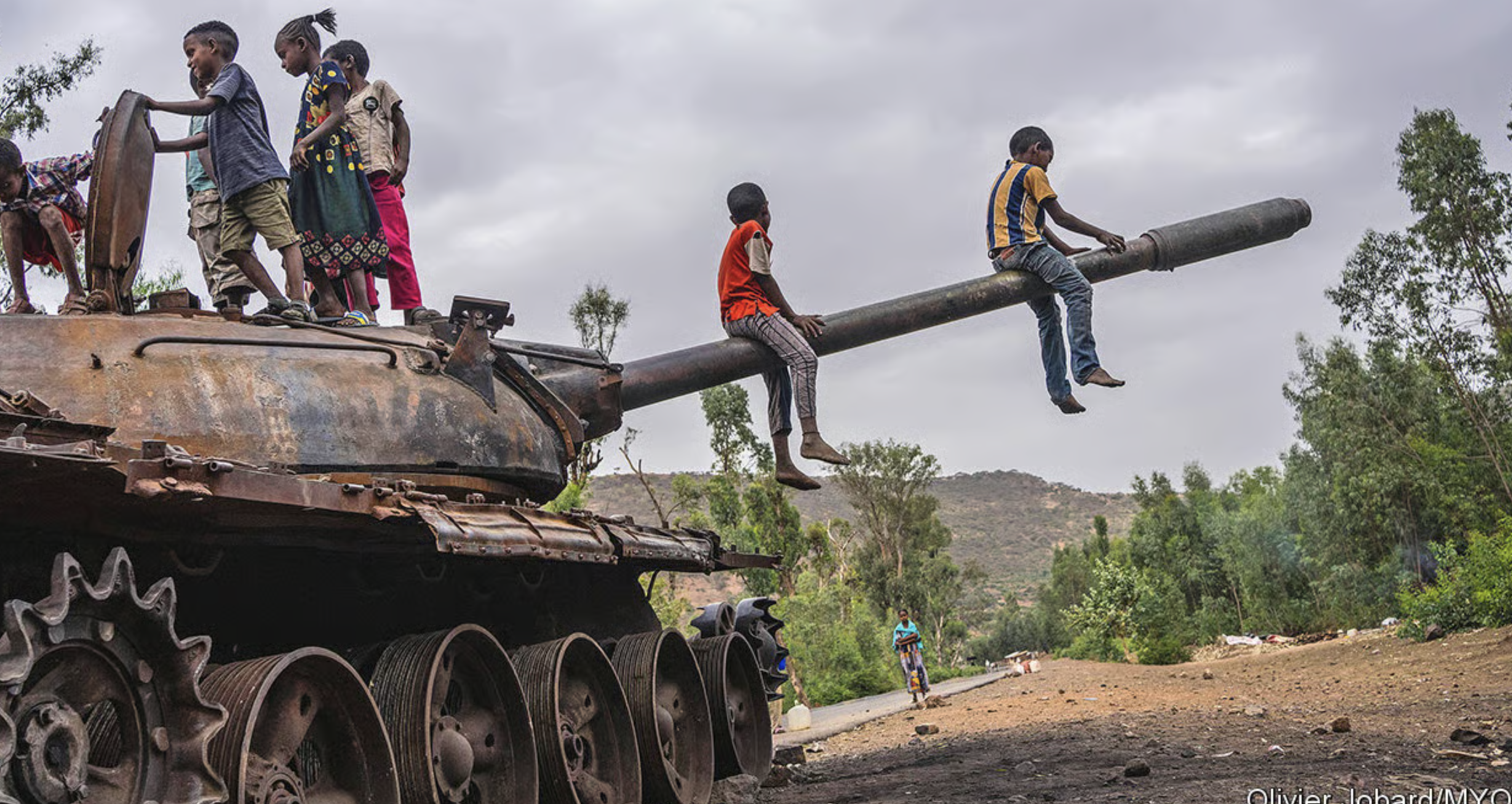
The economic consequences of the conflict have spread far beyond the Middle East. Countries heavily dependent on imported fuel and fertilizer have struggled with rising prices and shortages tied to disruptions around the strait. In Myanmar, farmers have faced worsening economic conditions as fertilizer shipments and fuel supplies became increasingly difficult to secure. Analysts warned that even if an agreement is reached, stabilizing global shipping lanes and energy markets could still take months.
Pakistan and Qatar have emerged as important mediators throughout the negotiations, relaying proposals between Washington and Tehran while attempting to prevent further escalation. Pakistani officials described recent talks with Iranian leaders as productive, while Gulf states have continued encouraging diplomacy in hopes of preventing a wider regional conflict.
Iranian leaders continue insisting that the country is not pursuing nuclear weapons, though military officials have simultaneously threatened to challenge the American naval blockade and reconsider participation in the Nuclear Non‑Proliferation Treaty if pressure intensifies further. Trump has repeatedly warned that the United States remains prepared to resume military action if diplomacy fails. The next several days are expected to determine whether the current framework becomes a lasting diplomatic breakthrough or another temporary pause in one of the world’s most dangerous conflicts.
Read More:
- Tucker Reals, Jennifer Jacobs, Mark Osborne, Nancy Cordes, Frank Andrews – CBS
- Staff – Fox News
- Staff – CNN
Extemp Analysis
Extemp Question: Will a U.S.-Iran deal bring stability to the Middle East?
For this question in particular you want to avoid overclaiming and you really want to stick to the reality. This deal doesn’t instantly stop conflict so stay within the constraints of reality.
Since the whole question hinges on “stability” In the middle east, have a good understanding of what “stability” is and revolve your speech around that
AGD
I would go with something funny here! Jokes about political leaders would work well here.
BG
- Explain the tensions in the Middle East → How it prompted the US-Iran deal → What the US-Iran deal is
- DEFINE STABILITY. Does stability mean no direct war between the U.S. and Iran? Lower oil prices? Less proxy conflict? Or complete regional peace?
SOS
- The US-Iran deal focuses on multiple things (Conflict De-escalation & Regional Security, Nuclear Program Limitations, and Sanctions & Trade), so a SOS that covers all of this holistically is ideal. Maybe something along the vibe of: Its considering that approximately 515 million people live in the middle east, and this deal could (something positive that revolves around your definition of stability), that it comes down to addressing today’s question
I’d answer like this:
Yes, because it lowers tensions by stabilizing the region in 3 critical ways
- Stabilizing oil markets (reopening the Strait of Hormuz lowers shipping disruptions and reduces oil price spikes)
- Reduce chances of direct war (creates inspections, nuclear restrictions, and diplomatic channels instead of immediate military escalation between the U.S. and Iran)
- weakening incentives for regional escalation (countries and militias throughout the Middle East lose leverage from continued conflict once economic pressure and blockade tensions decrease)