
Conflicts
-

Iran’s Foreign Minister Lands in Russia
Iran’s Foreign Minister, Abbas Araghchi, landed in St. Petersburg, Russia, on April 27 for talks with Russian President Vladimir Putin. This comes after US-Iran ceasefire talks have stalled dramatically, with less and less progress coming by the day.
-

Ceasefire Announced Between Lebanon and Israel
Lebanon and Israel have just signed a ceasefire deal, showing that the two nations have temporarily put aside their differences after weeks of growing tensions on their border. The ceasefire was made possible through mediation involving the larger international community.
-
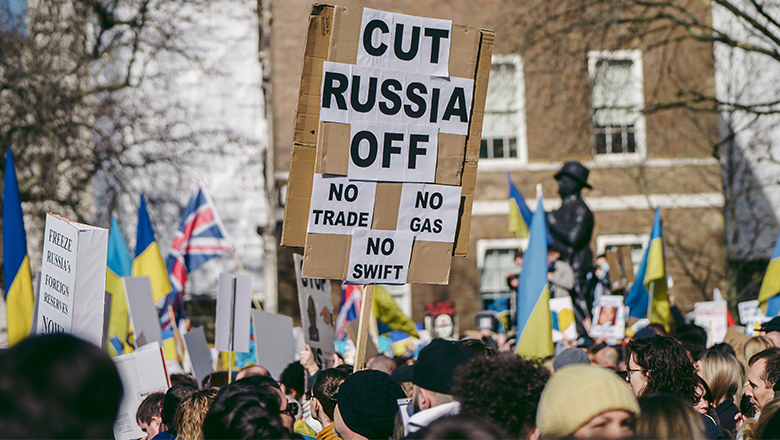
Russian Aggression and EU Pushback: Will Economic Policy Work?
The European Union has approved a €90 billion loan for Ukraine, with the goal of aiding them in their defense against Russia. Hungary has promised to drop their veto of the loan if Ukraine allows Russian gas to reach Hungary.
-
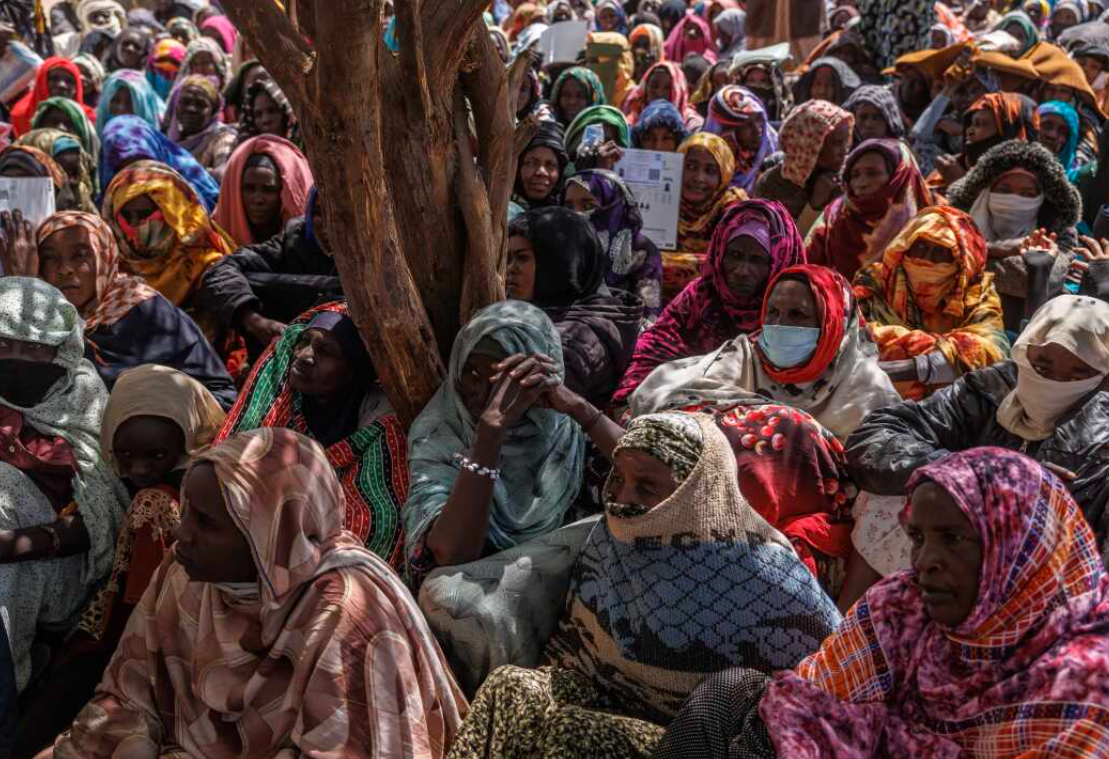
Sudan Enters Its Fourth Year of Civil War
As of April 2026, the United Nations estimates that nearly 14 million civilians have been displaced, with 4.4 million being forced across borders. Further, agriculture has been destroyed, placing nearly 21 million civilians in food insecurity. Despite the enormous humanitarian casualties, the war is only…
-
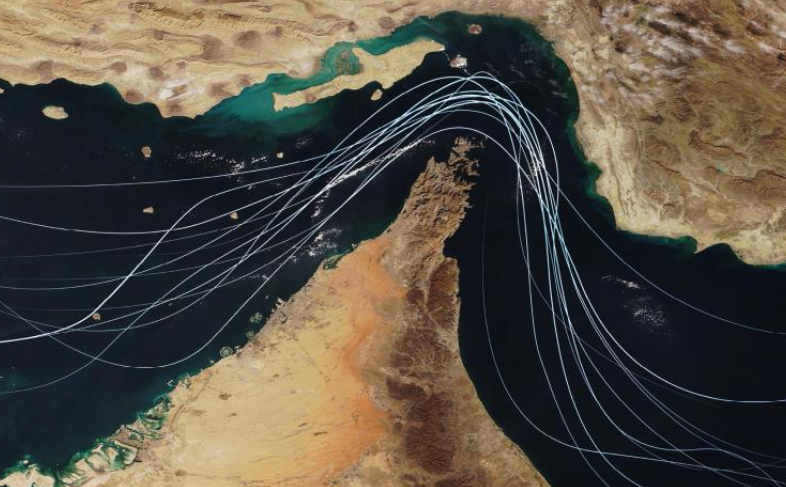
Political Volatility: The Opening and Closing of the Strait of Hormuz
Amid ongoing tensions between Iran and the United States, Iran announced the reopening of the Strait of Hormuz to commercial vessels on April 17, declaring it “completely open” for shipping traffic following a U.S.-brokered ceasefire related to broader regional conflicts.
-
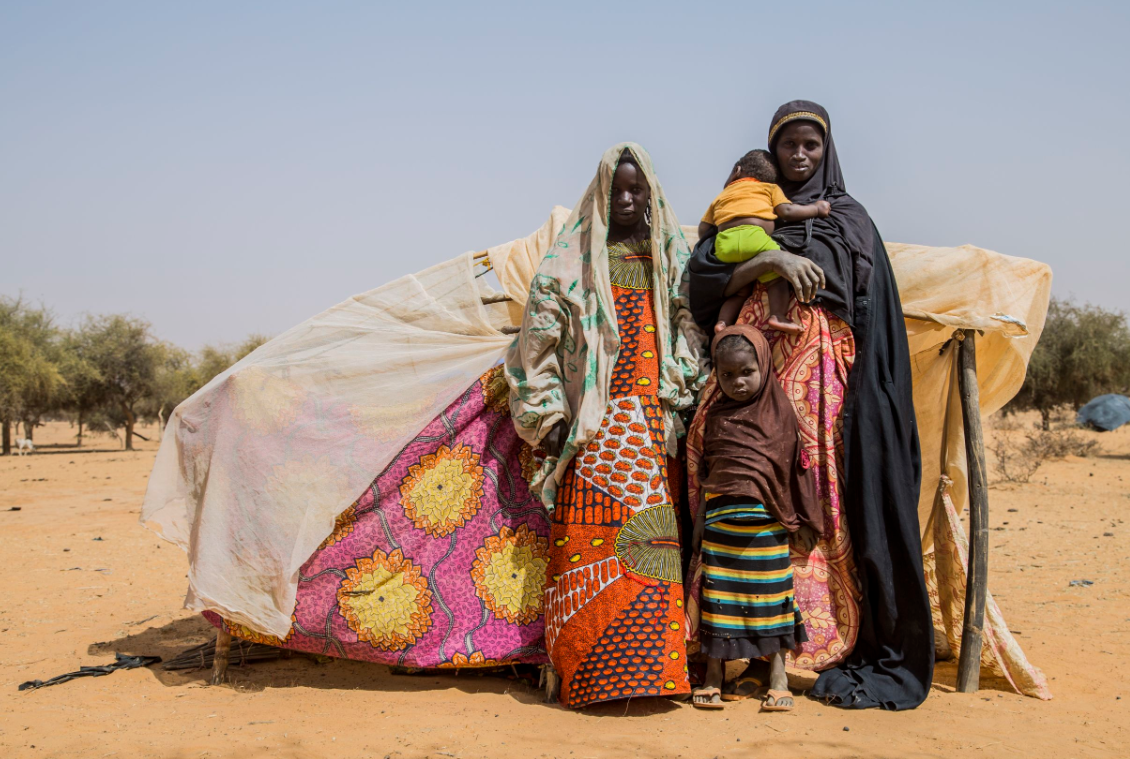
The Sahel Conflict Where Everyone is in the Wrong
Since 2015, Burkina Faso has been in a devastating war with Islamist insurgents. Currently, two groups drive a majority of the violence, one being an al-Qaeda affiliate.
-

Fuel Protests Ignite Political Crisis in Ireland
What initially began as protests over fuel prices in Ireland has quickly snowballed into a broader political challenge. After multiple days of disruption, the government announced €505 million of public funds to quell some of the pressure.
-

North Korean Hacker Group Strikes Amidst Growing Conflict
North Korea has emerged with a task force, the Lazarus Group, to conduct international cyber attacks. Recently, the group has struck again, gaining access to the account of a software developer who manages an open-source software called Axios.
-

America’s Policy Roller Coaster on the Iran War
Over the past week, the uncertainty over the Iran War persisted, with broken ceasefires, fragile deals and further twists and turns in its trajectory. Oil jumped, then crashed, then jumped, and economic indicators are pushing that same uncertain narrative.
-

Escalation Around Iran’s Nuclear Sites
Iran said the area around its Bushehr nuclear power plant had been attacked for the fourth time during the current war. One of the plant’s employees was killed in the attack.
-

The Iran War’s Effect on Bonds
President Trump assured the public that the war would only last “4 to 6 weeks.” It has now been 5, and the markets are reacting. After the killing of Iran’s Supreme Leader Ayatollah Ali Khamenei, Iran has responded fiercely.
-

A Look at President Trump’s War Rhetoric
Democratic politicians and experts on presidential communications warn that President Trump’s recent threats against Iran are a dangerous escalation of rhetoric that could undermine global American credibility and domestic support for the war.
-

The Cost of Hormuz Hits Home
On March 2nd, 2026, Iran closed the Strait of Hormuz. This week, this supply shortage has hit the US markets, causing the price of gas and other oil products to rocket up to above $4 in some areas.
-

Israel Pushes Deeper into Lebanon
On Sunday, Israeli Prime Minister Benjamin Netanyahu said he had ordered the military to expand its operations in southern Lebanon, citing continued rocket fire by Hezbollah.
-

Sudan: Turning Cities into Casualties
A power struggle between the military and the rival paramilitary Rapid Support Forces exploded into war throughout the country. No end is in sight to bring a stop to the fighting, now one of the deadliest conflicts in Africa.
-
Tracking the Environmental Consequences of the War in Iran
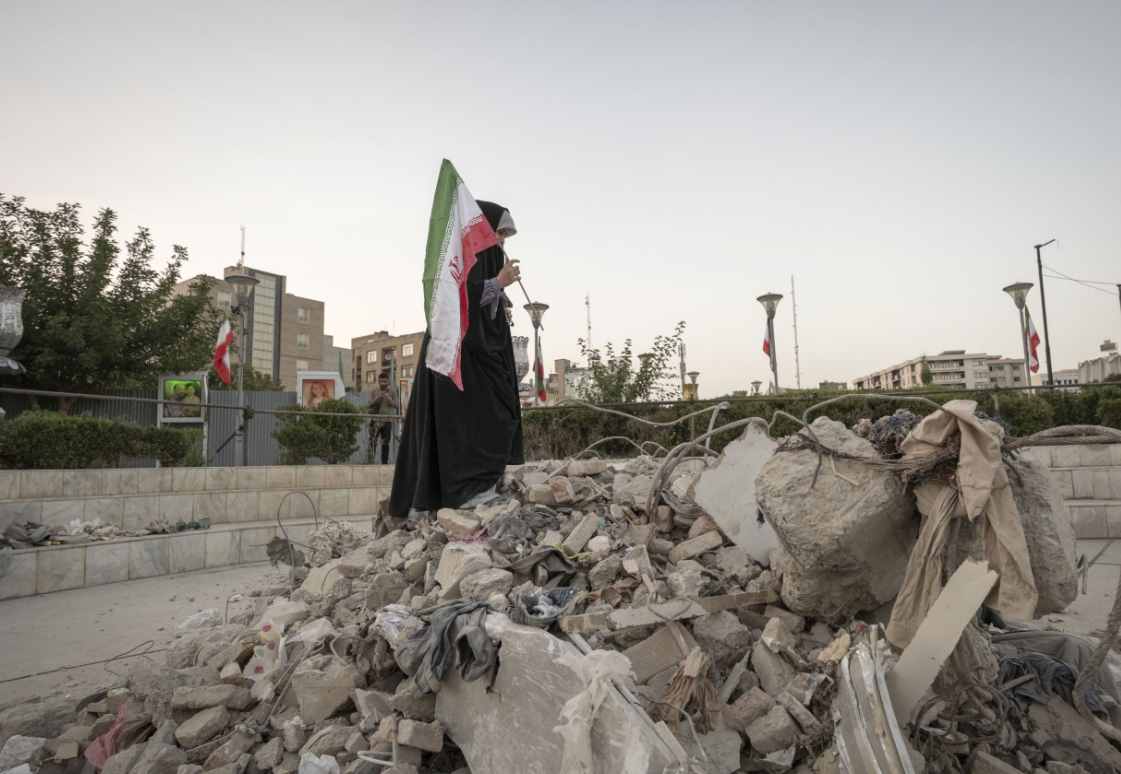
The U.S. and Israel’s actions in Iran in the past two weeks have released five million tonnes of greenhouse gas emissions into the atmosphere. The war is actively draining the global carbon budget faster than 84 countries combined.
-
NATO Pulls Troops as Allies Resist Iran War Escalation
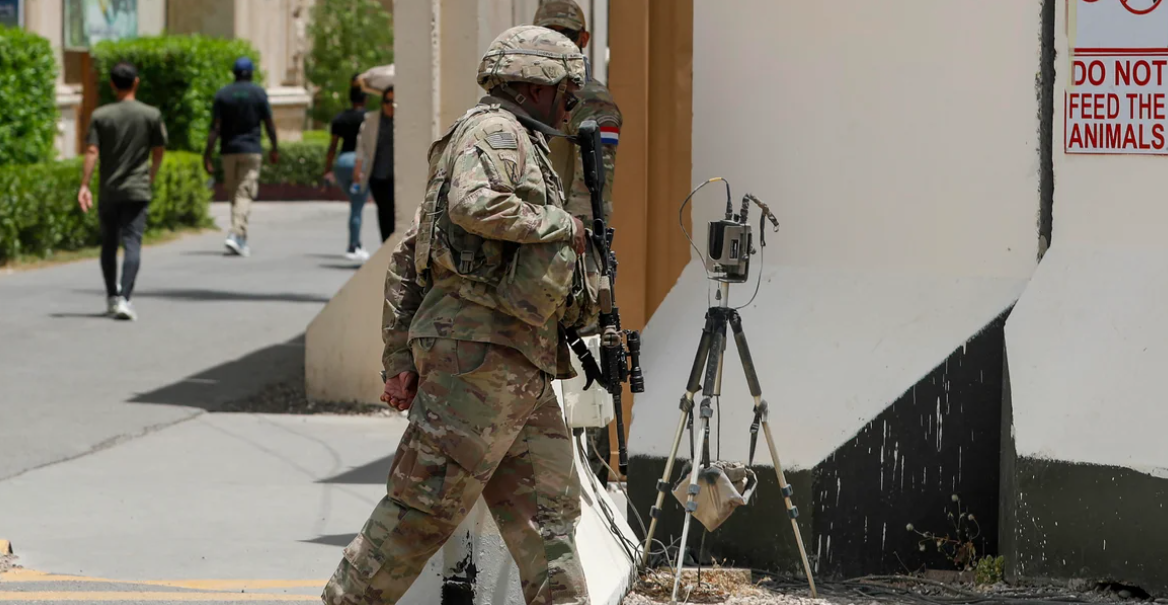
NATO has historically operated on collective defense principles, but the current conflict falls outside a direct attack on member states, giving countries more caution over their involvement. As a result, divisions are becoming more visible.
-

Iranian Minab Girls’ School Destroyed in Strike, Killing Hundreds
The Shajareh Tayyebeh girls’ elementary school was a two-story building housing girls aged 7 to 12. It was decimated during the strike, killing between 165 and 180 people, a majority of whom were children attending the school.
-

U.S. Urges Allies to Move to Secure Strait of Hormuz
Iranian attacks on ships and maritime infrastructure have disrupted ships passing through the strait, sending global oil prices above $100 per barrel and raising fears of a major energy shock.
-

American Refueling Plane Crashes in Iraq
On Friday, amid rising tensions with Iran, six United States service members were killed when their KC-135 refueling plane crashed in Western Iraq. The American death toll in the Iran war has now risen to 13.
-

U.S. Troops One Foot into Ecuador
On Tuesday, Ecuadorian and United States military forces began a joint operation domestically to combat international terrorist organizations. This is part of a building movement to reduce the trade of drugs internationally, particularly in Latin America.