
Middle East
-

The Makings of a New Syria
The end of the Kurdish self-rule was marked when the Syrian Democratic Forces were announced to be integrated into the Syrian state. Kurdish rights point towards a hopeful future, but ultimately remains unsteady in the political system, making it crucial to understand the conflicts and…
-

Israel and Palestine: 70 Years of Conflict
Since October 7th, 2023, the the modern conflict between Israel and Hamas has continued to claim lives and serves as a divisive political issue globally. In order to understand the war, it is crucial to look at the near-century of animosity between Israel and Palestine…
-
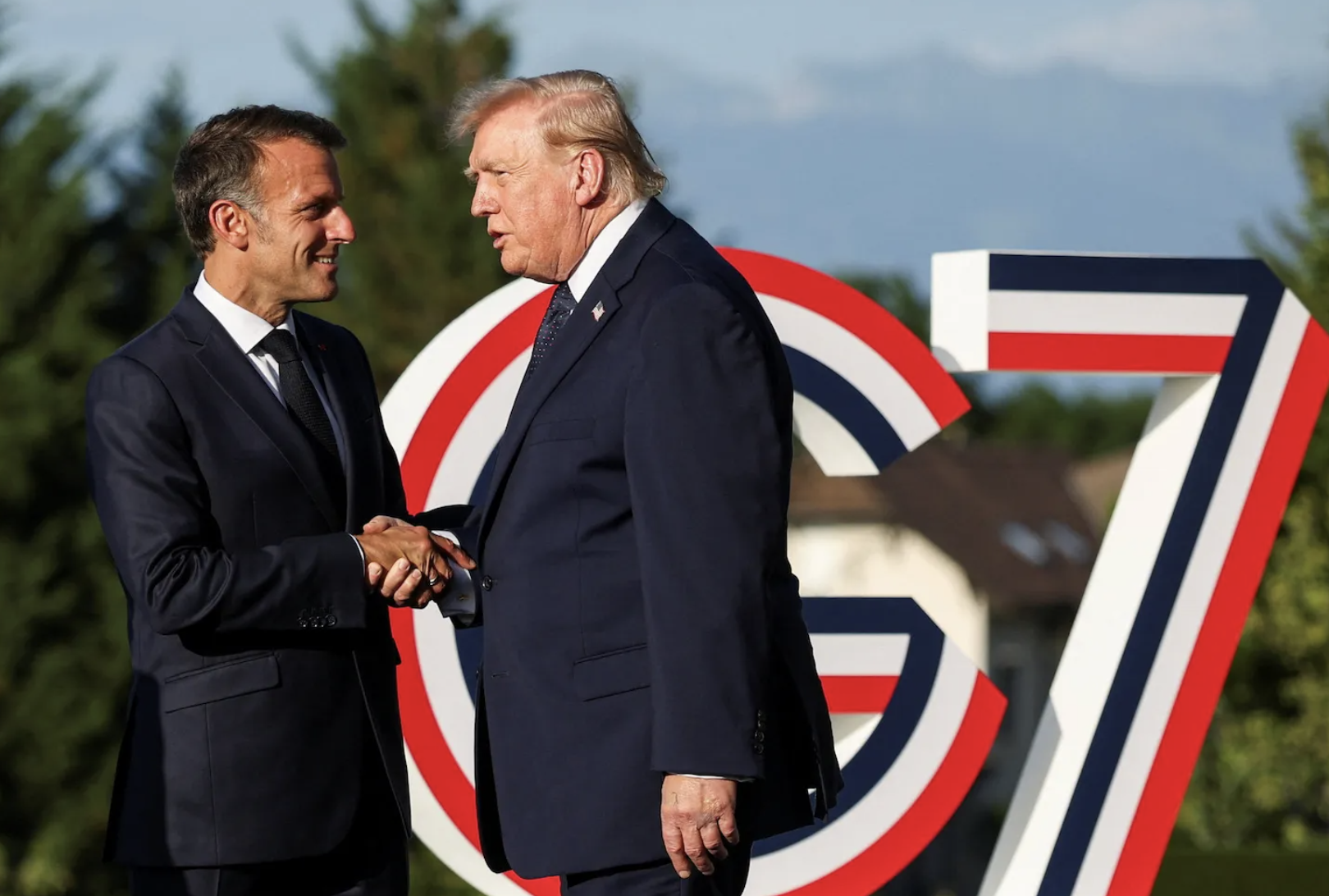
From Hormuz to Islamabad: The Anatomy of the US–Iran Peace Deal
The United States and Iran have agreed to a 14-point peace plan. It provides a framework for stabilization amid tensions with the two countries and Israel. With death tolls standing at over 7000, negotiations have hesitantly resumed.
-
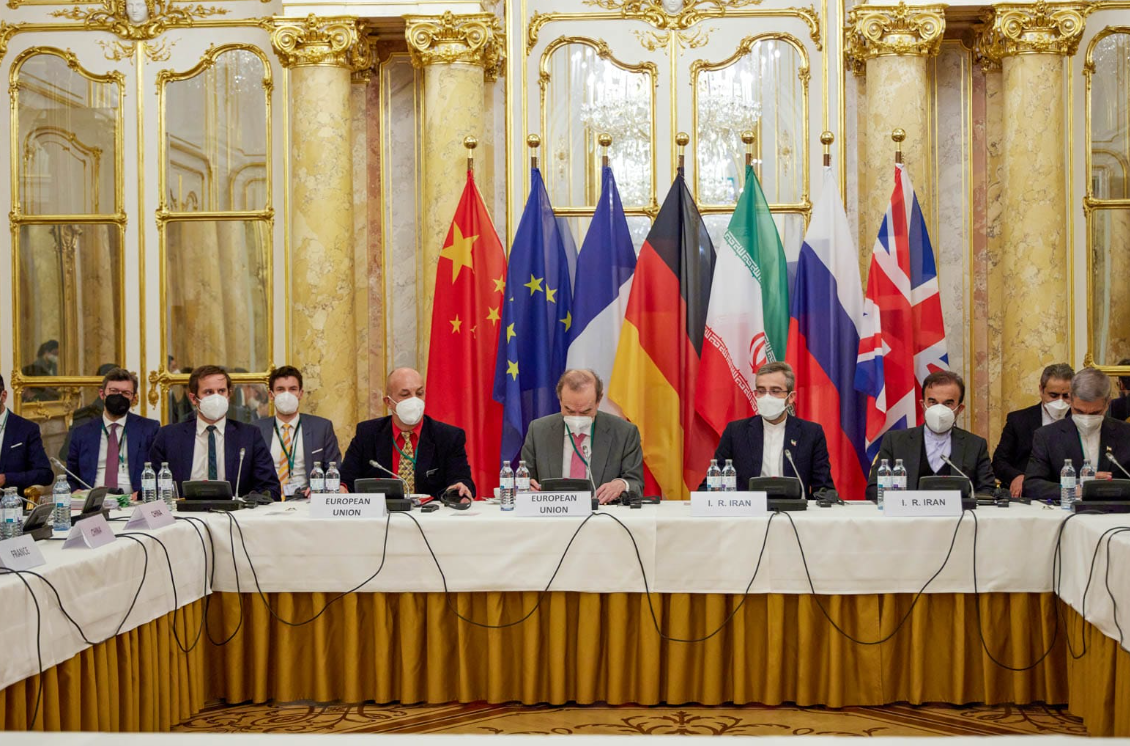
Iran Deal Nears as Global Stakes Rise
Negotiations between the United States and Iran appear closer to a breakthrough than at any point since the war began. Officials from Washington and Tehran have both signaled progress while warning that diplomacy remains fragile.
-

Why Did the UAE Leave OPEC?
On April 28, the UAE announced that it would be leaving OPEC after 59 years in the group. OPEC will be left weakened, losing 15% of its oil exporting capacity and the world’s 8th largest oil producer.
-

Iran’s War Shakes the U.S. Housing Market
For the second week in a row, borrowing costs for American homebuyers have climbed, and experts say relief is not coming anytime soon. The average rate on a 30-year fixed mortgage climbed to 6.37% this week.
-
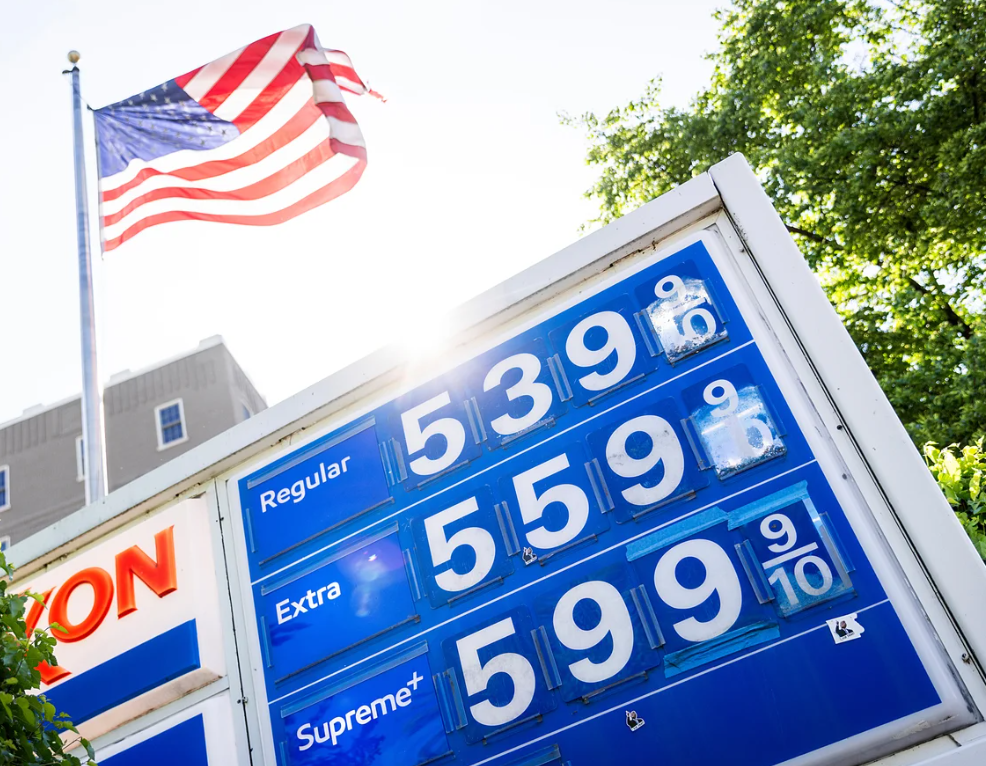
Trump Puts His Foot on the Gas Prices
6 in 10 Americans disapprove of Trump’s military action due to issues ranging from spending to gas prices. Having failed to sustain any agreement to open the Strait, Trump has looked domestically to lower gas prices.
-

U.S. Rejects Iran Peace Plan Amid Rising Tensions
Iran has received a U.S. response to its latest peace proposal. President Donald Trump reportedly told Israel’s Kan News on Sunday that the proposal was unacceptable to him.
-

Iran’s Foreign Minister Lands in Russia
Iran’s Foreign Minister, Abbas Araghchi, landed in St. Petersburg, Russia, on April 27 for talks with Russian President Vladimir Putin. This comes after US-Iran ceasefire talks have stalled dramatically, with less and less progress coming by the day.
-

Ceasefire Announced Between Lebanon and Israel
Lebanon and Israel have just signed a ceasefire deal, showing that the two nations have temporarily put aside their differences after weeks of growing tensions on their border. The ceasefire was made possible through mediation involving the larger international community.
-
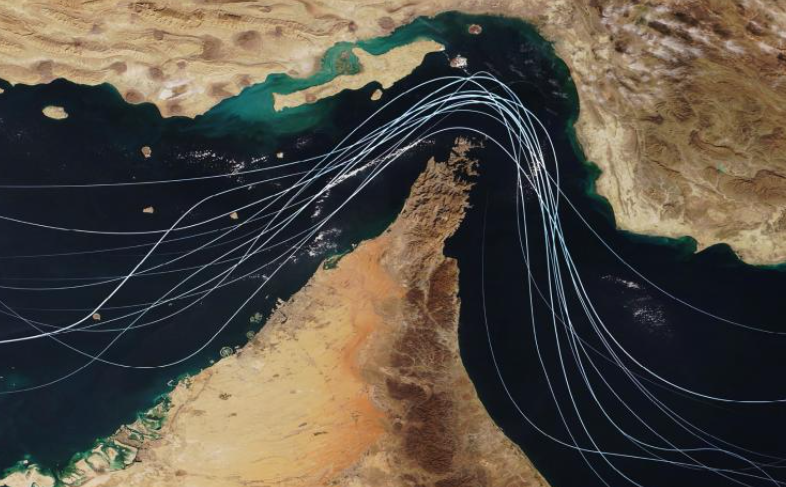
Political Volatility: The Opening and Closing of the Strait of Hormuz
Amid ongoing tensions between Iran and the United States, Iran announced the reopening of the Strait of Hormuz to commercial vessels on April 17, declaring it “completely open” for shipping traffic following a U.S.-brokered ceasefire related to broader regional conflicts.
-

America’s Policy Roller Coaster on the Iran War
Over the past week, the uncertainty over the Iran War persisted, with broken ceasefires, fragile deals and further twists and turns in its trajectory. Oil jumped, then crashed, then jumped, and economic indicators are pushing that same uncertain narrative.
-

Escalation Around Iran’s Nuclear Sites
Iran said the area around its Bushehr nuclear power plant had been attacked for the fourth time during the current war. One of the plant’s employees was killed in the attack.
-

Israel’s Controversial New Death Penalty Policy
Israel’s parliament, the Knesset, passed a bill in a 62-47 decision that made the death penalty the default for Palestinian attacks on Israel and Israeli citizens. Now, many human rights groups are speaking out against its discriminatory nature.
-
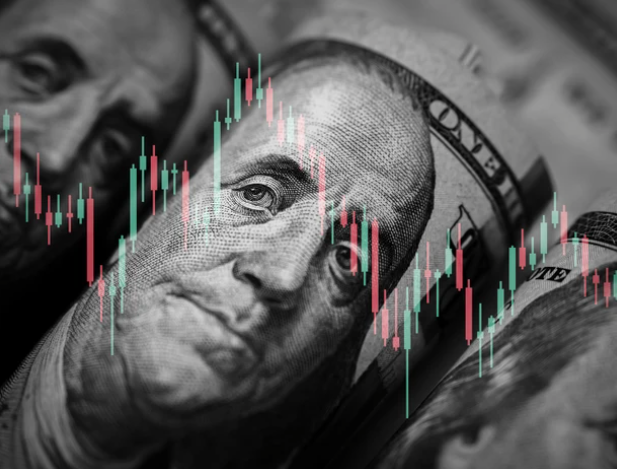
The Iran War’s Effect on Bonds
President Trump assured the public that the war would only last “4 to 6 weeks.” It has now been 5, and the markets are reacting. After the killing of Iran’s Supreme Leader Ayatollah Ali Khamenei, Iran has responded fiercely.
-

A Look at President Trump’s War Rhetoric
Democratic politicians and experts on presidential communications warn that President Trump’s recent threats against Iran are a dangerous escalation of rhetoric that could undermine global American credibility and domestic support for the war.
-

The Cost of Hormuz Hits Home
On March 2nd, 2026, Iran closed the Strait of Hormuz. This week, this supply shortage has hit the US markets, causing the price of gas and other oil products to rocket up to above $4 in some areas.
-

Israel Pushes Deeper into Lebanon
On Sunday, Israeli Prime Minister Benjamin Netanyahu said he had ordered the military to expand its operations in southern Lebanon, citing continued rocket fire by Hezbollah.
-
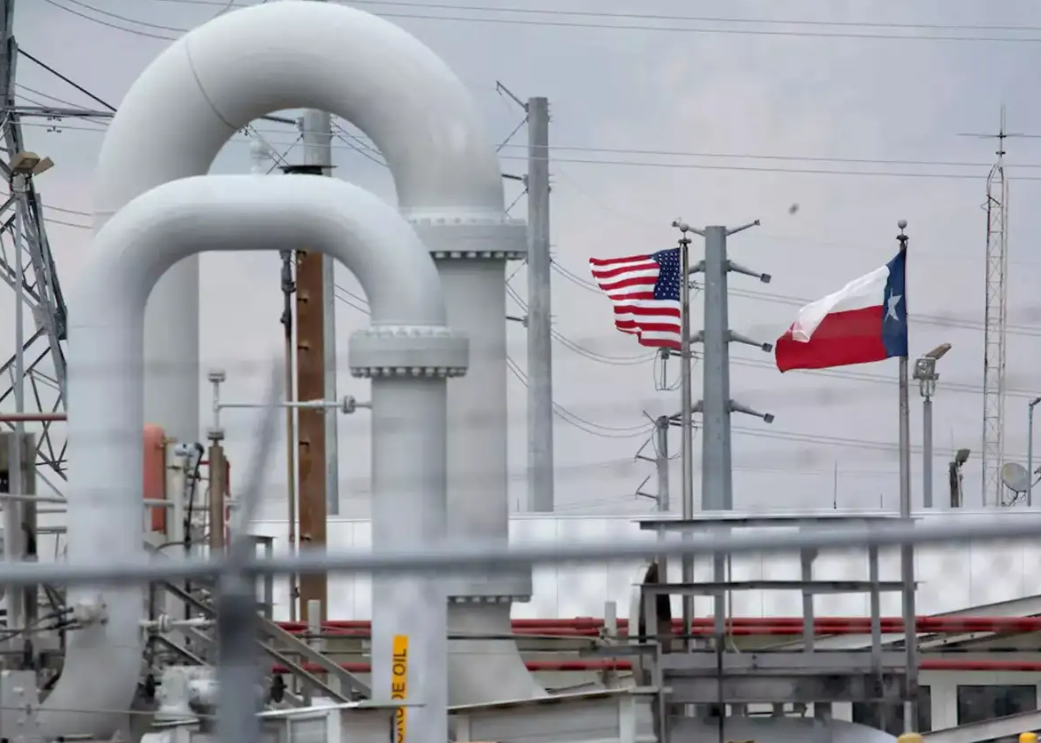
U.S. Signals Plan to Remove Iranian Oil Sanctions
The United States has announced its intention to relax sanctions on oil exports from Iran, which represents a major policy shift in its stance towards Iran. This growing pressure is in an effort to stabilize oil supplies.
-
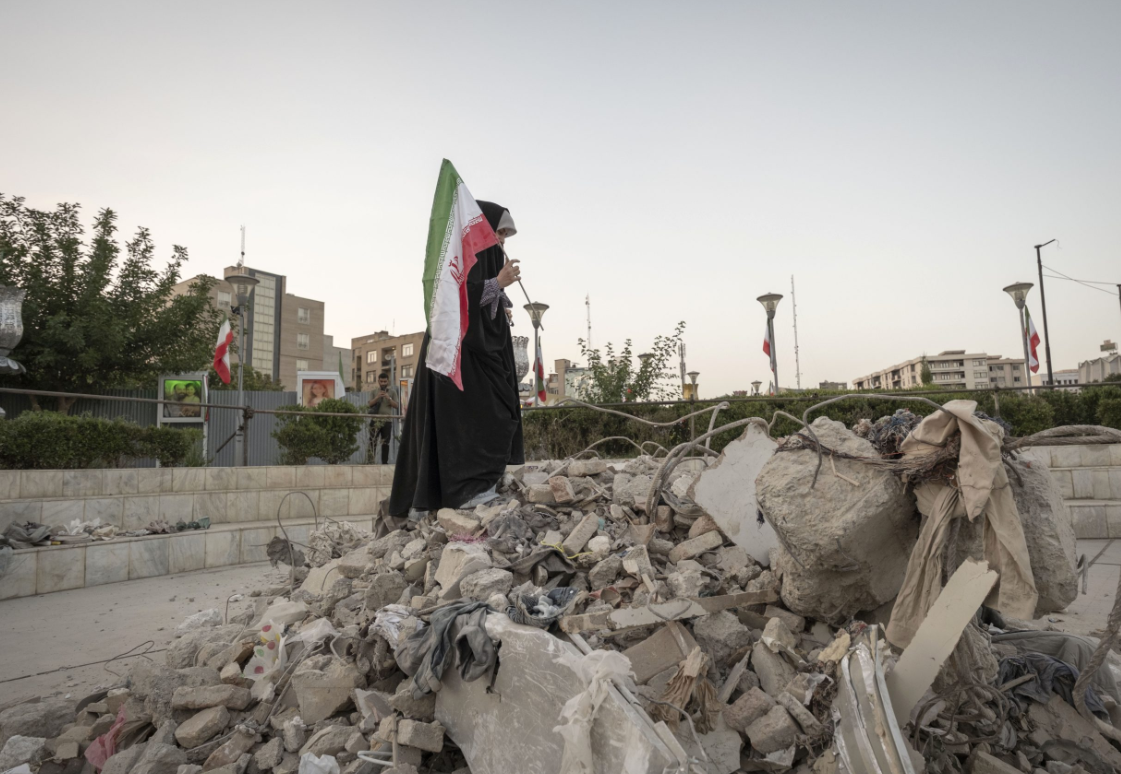
Tracking the Environmental Consequences of the War in Iran
The U.S. and Israel’s actions in Iran in the past two weeks have released five million tonnes of greenhouse gas emissions into the atmosphere. The war is actively draining the global carbon budget faster than 84 countries combined.
-
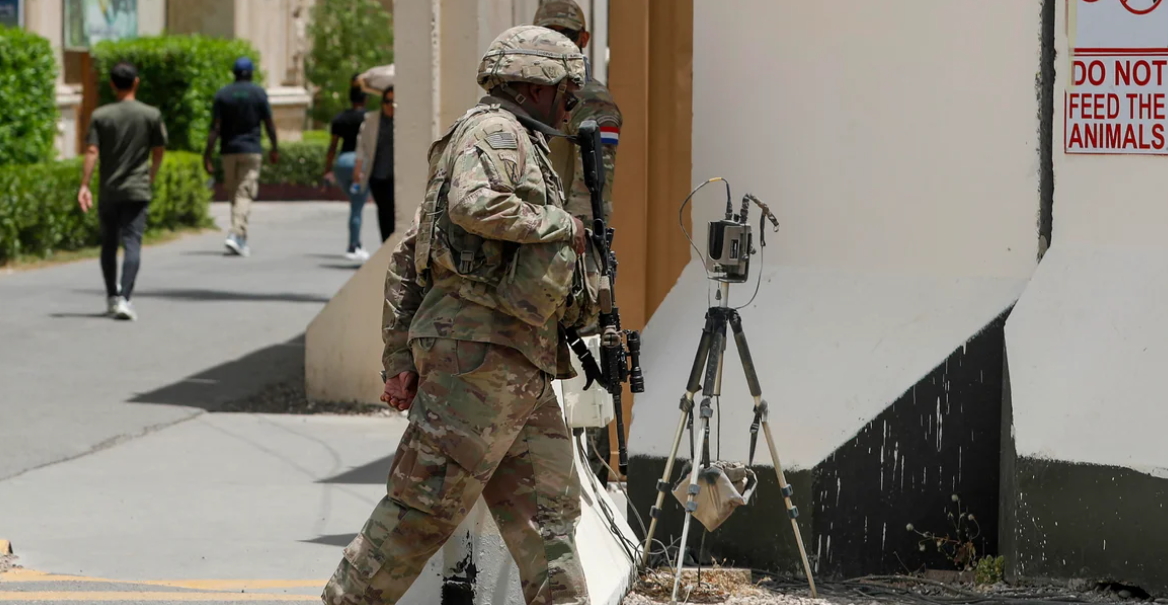
NATO Pulls Troops as Allies Resist Iran War Escalation
NATO has historically operated on collective defense principles, but the current conflict falls outside a direct attack on member states, giving countries more caution over their involvement. As a result, divisions are becoming more visible.